 Single jersey circular knitting machine
 Single jersey computerized jacquard knitting machine
 Double Jersey circular knitting machine
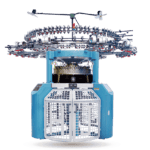 Rib tansfer electronic jacquard knitting machine
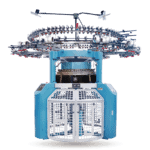 Double electronic jacquard circular knitting machine
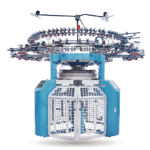 Double jersey computerized acquard circular knitting machine
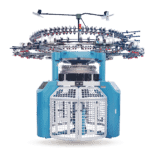 Double jersey mini jarquard knitting machine
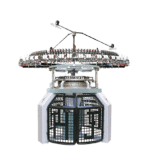 Reverse or face side terryknitting machine
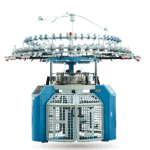 Terry electronic jacquard knitting machine(2/3ways)
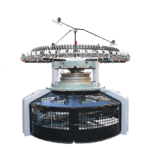 High speed open width double jersey knitting machine

 Automatic Linking intelligent socks knitting machine
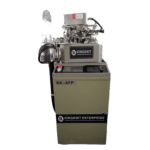 computerized plain socks knitting machine
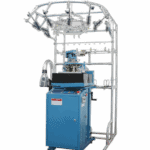 Double cylinder sock knitting machine
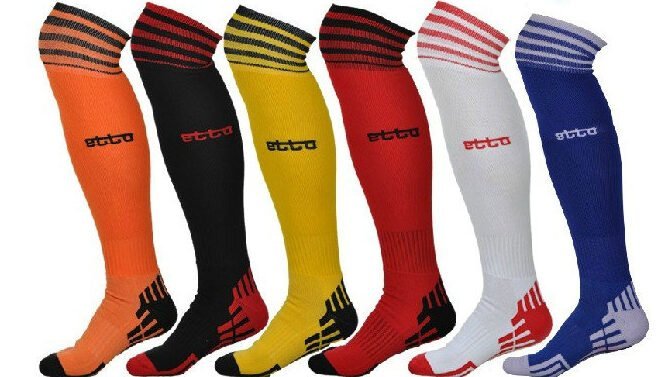

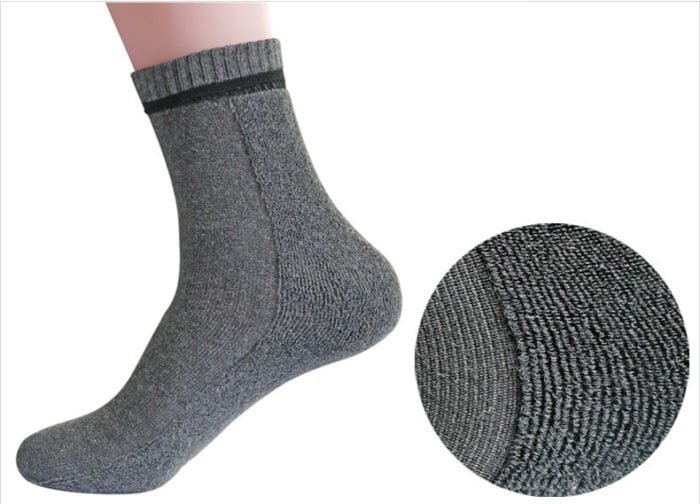
 Single jaquard scarf&hat knitting machine

Many textile factories share a similar experience:
a new machine runs smoothly during the first year, output is stable, quality is consistent — and then performance slowly starts to decline.
What’s often surprising is that this happens even when the machine is not heavily used and no major breakdown has occurred. The reason is rarely a single fault. More often, it’s a combination of overlooked factors related to textile machinery usage, management, and long-term planning.
1. Initial Performance Often Hides Structural Issues
During the first year, most industrial knitting machines operate under ideal conditions:
- New components
- Fresh calibration
- High attention from operators and managers
However, as production normalizes, small deviations begin to appear. Minor vibrations, parameter drift, and inconsistent adjustments may not stop production, but they gradually reduce textile production efficiency.
These issues accumulate quietly and only become visible after months of continuous operation.
2. Operating Habits Change Over Time
One of the most underestimated factors affecting textile machinery performance is how operating habits evolve.
As operators become familiar with a sock knitting machine, glove knitting machine, or circular knitting machine, shortcuts are often introduced to save time. Settings are adjusted “by feel,” and documentation is ignored.
Over time, these habits reduce machine consistency and increase wear, even though production appears normal on the surface.
3. Maintenance Shifts from Preventive to Reactive
In the first year, maintenance is usually proactive. Machines are checked regularly, and small issues are addressed early.
Later, maintenance often becomes reactive — responding only when output drops or faults occur. This shift significantly impacts the lifespan of industrial textile machinery and leads to gradual performance decline rather than sudden failure.
4. Lack of Standardization Multiplies the Problem
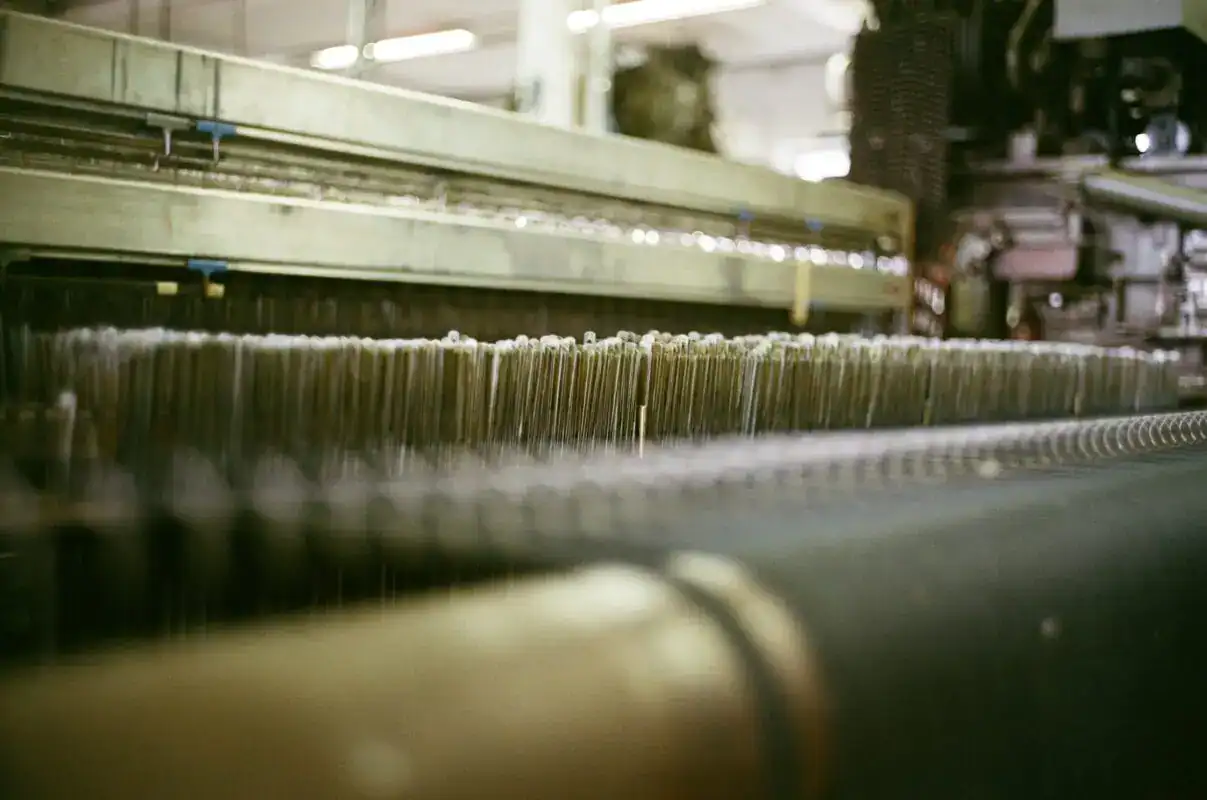
In factories running multiple industrial knitting machines, performance differences between identical models often increase after the first year.
Without standardized operating procedures and maintenance routines, each machine begins to “age” differently. This inconsistency makes production planning harder and reduces overall factory efficiency.
5. Long-Term Performance Requires Long-Term Thinking
Machines are not short-term tools. A textile machine that performs well for one year but declines afterward is usually the result of management decisions, not design flaws.
Factories that maintain stable output over many years tend to focus on:
- Consistent operating standards
- Preventive maintenance systems
- Machine stability rather than maximum speed
- Long-term reliability when selecting textile machinery
About King Knit
At King Knit, we design and supply industrial textile machinery with a strong focus on long-term stability and consistent performance. Our sock knitting machines, glove knitting machines, and other industrial knitting machines are developed to support continuous production beyond the first year — not just during the initial startup phase.
By emphasizing machine standardization, stable operation, and practical factory usage, we help manufacturers build production lines that perform reliably over time.
Learn more about our textile machinery solutions:
🌐 https://kingknitfactory.com