 Single jersey circular knitting machine
 Single jersey computerized jacquard knitting machine
 Double Jersey circular knitting machine
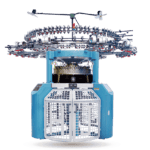 Rib tansfer electronic jacquard knitting machine
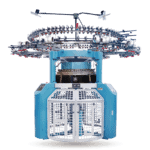 Double electronic jacquard circular knitting machine
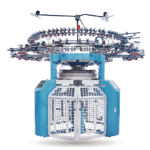 Double jersey computerized acquard circular knitting machine
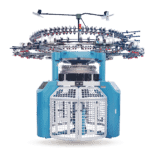 Double jersey mini jarquard knitting machine
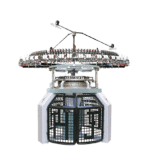 Reverse or face side terryknitting machine
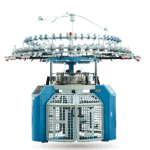 Terry electronic jacquard knitting machine(2/3ways)
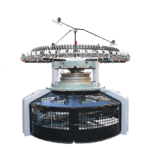 High speed open width double jersey knitting machine

 Automatic Linking intelligent socks knitting machine
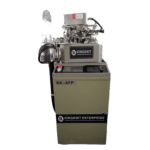 computerized plain socks knitting machine
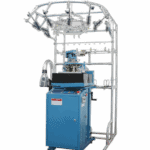 Double cylinder sock knitting machine
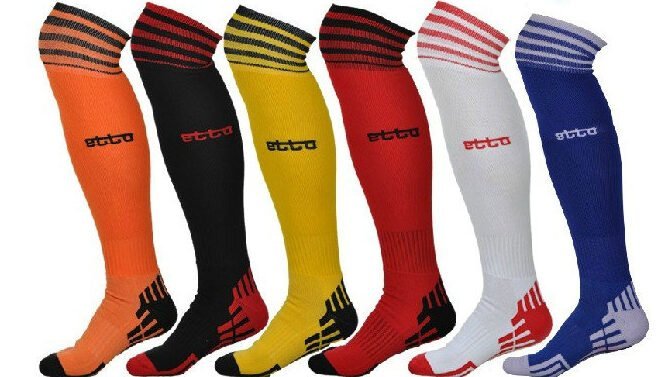
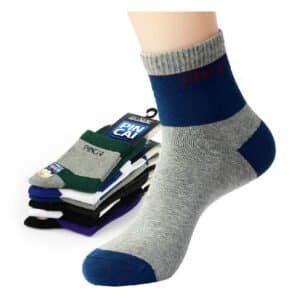
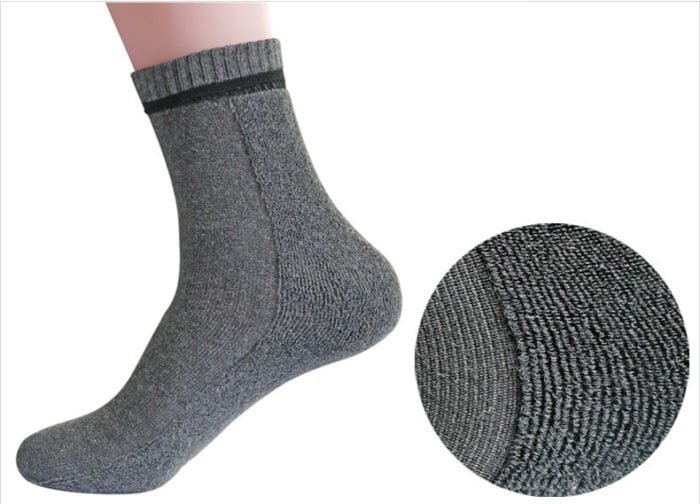
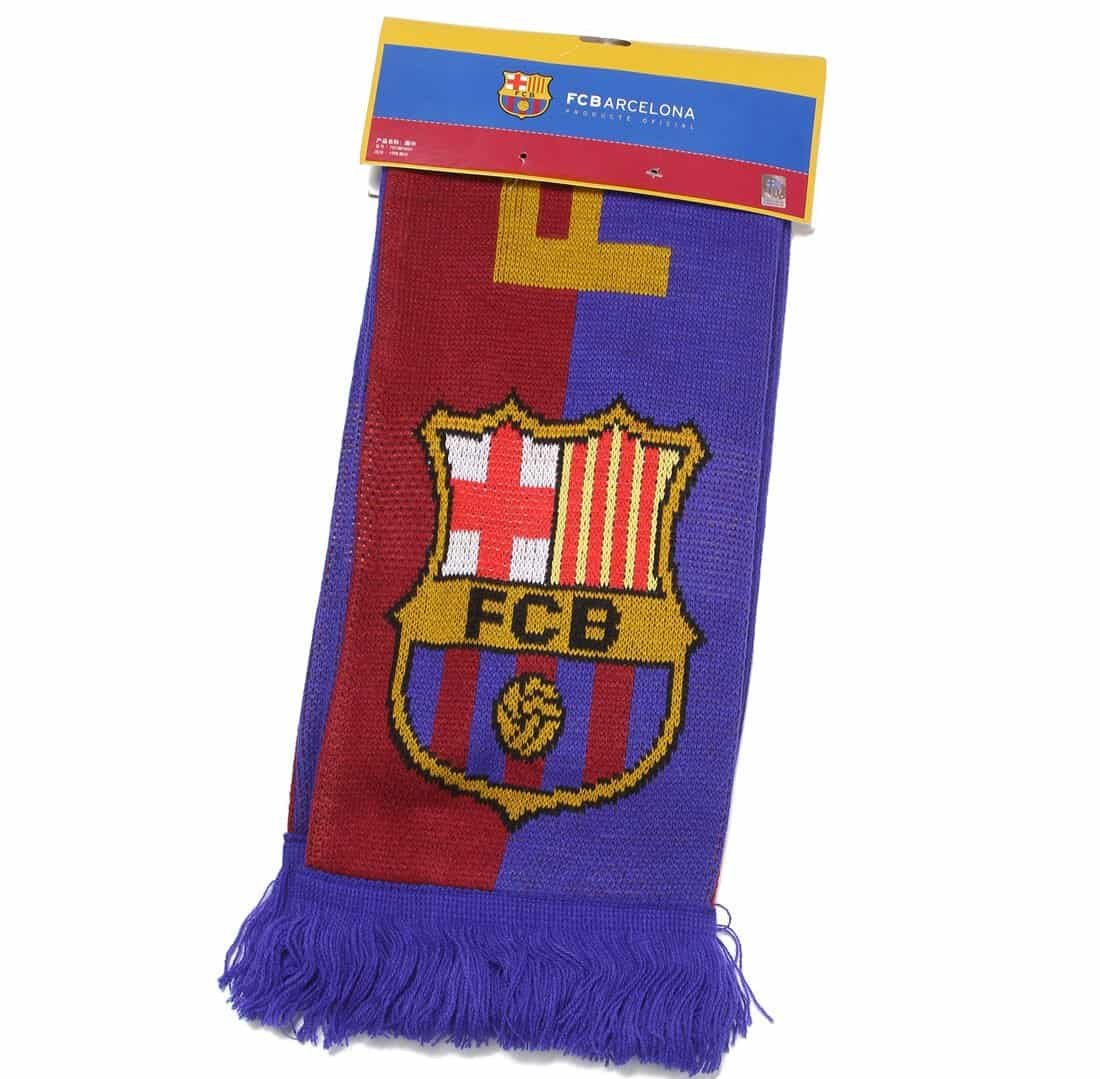
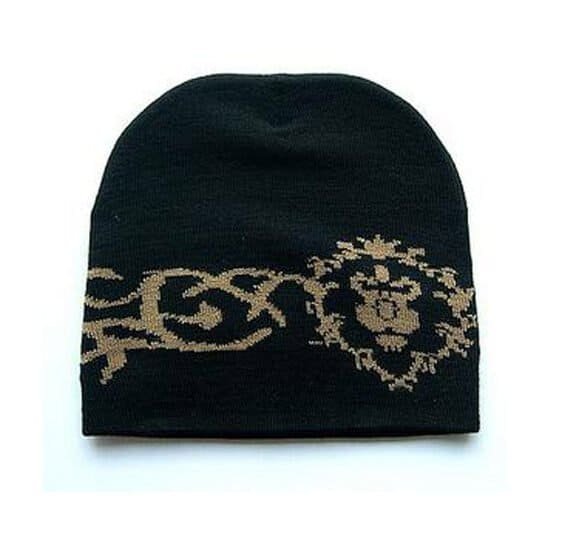
 Single jaquard scarf&hat knitting machine


Investing in a sock knitting machine is not just about buying equipment — it’s about shaping the future of your sock manufacturing operation.
With rising labor costs, increasing energy prices, and growing demand for flexible production, choosing the right knitting machine has become a strategic decision rather than a simple purchase.
Before making that investment, here are the factors that truly matter.
1. Production Capacity vs. Real Market Demand
Many manufacturers focus first on speed. But maximum RPM does not automatically mean higher profitability.
Ask instead:
- What is your target monthly sock production volume?
- Are you producing basic commodity socks or higher-value functional socks?
- Is your market stable or seasonal?
The right sock knitting machine should match your actual order structure — not just headline performance numbers.
In modern sock manufacturing, balanced output with stable performance often creates more profit than extreme speed.
2. Machine Stability and Maintenance Requirements
Downtime is more expensive than most factories calculate.
When evaluating a knitting machine, consider:
- Failure rate under continuous operation
- Spare parts availability
- Ease of maintenance
- Technical support accessibility
Industrial textile machinery must operate reliably under long production hours. A machine that runs 2% more efficiently but requires frequent adjustments may ultimately reduce overall production efficiency.

3. Energy Efficiency and Operating Cost
Energy has become a critical factor in textile manufacturing.
A sock knitting machine running 24/7 consumes significant power. Even small differences in energy consumption per machine can greatly impact annual operating cost.
When comparing equipment, evaluate:
- Power consumption per machine
- Output per hour
- Energy cost per 1,000 pairs
Smart investment means analyzing total operating cost — not just purchase price.
4. Flexibility for Product Diversification
The sock market is evolving quickly.
Compression socks, sports socks, medical socks, custom designs — all require flexibility in pattern programming and machine adjustment.
Modern sock manufacturing demands knitting machines that can handle multiple yarn types and design variations without complex mechanical changes.
Flexibility reduces risk.
5. Long-Term ROI, Not Short-Term Price
The lowest price machine is rarely the lowest cost solution.
A well-selected sock knitting machine improves:
- Production efficiency
- Product consistency
- Labor optimization
- Long-term profitability
When investing in textile machinery, think in terms of 3–5 year return rather than initial purchase savings.

The Bigger Picture
In 2026, competitive sock manufacturing is no longer about simply increasing output. It is about intelligent investment, operational stability, and controlled cost structures.
Choosing the right knitting machine determines whether your factory competes on price alone — or on efficiency and reliability.
At King Knit, we work with manufacturers seeking stable, high-efficiency sock production through advanced sock knitting machines and reliable textile machinery solutions.
If you are evaluating new equipment or expanding your sock manufacturing capacity, feel free to connect with us: