
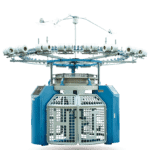
 Single jersey circular knitting machine
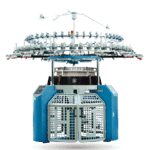 Single jersey computerized jacquard knitting machine
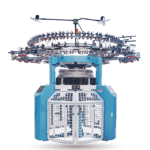 Double Jersey circular knitting machine
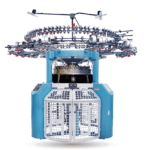 Rib tansfer electronic jacquard knitting machine
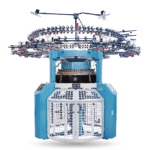 Double electronic jacquard circular knitting machine
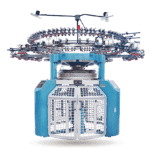 Double jersey computerized acquard circular knitting machine
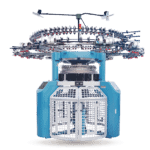 Double jersey mini jarquard knitting machine
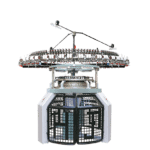 Reverse or face side terryknitting machine
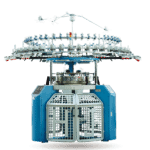 Terry electronic jacquard knitting machine(2/3ways)
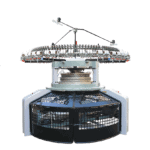 High speed open width double jersey knitting machine

 Automatic Linking intelligent socks knitting machine
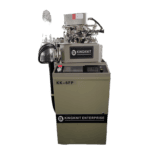 computerized plain socks knitting machine
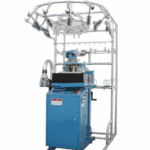 Double cylinder sock knitting machine


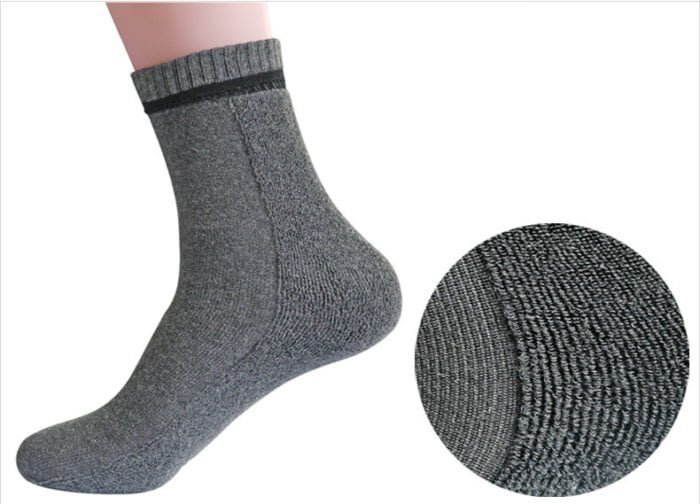
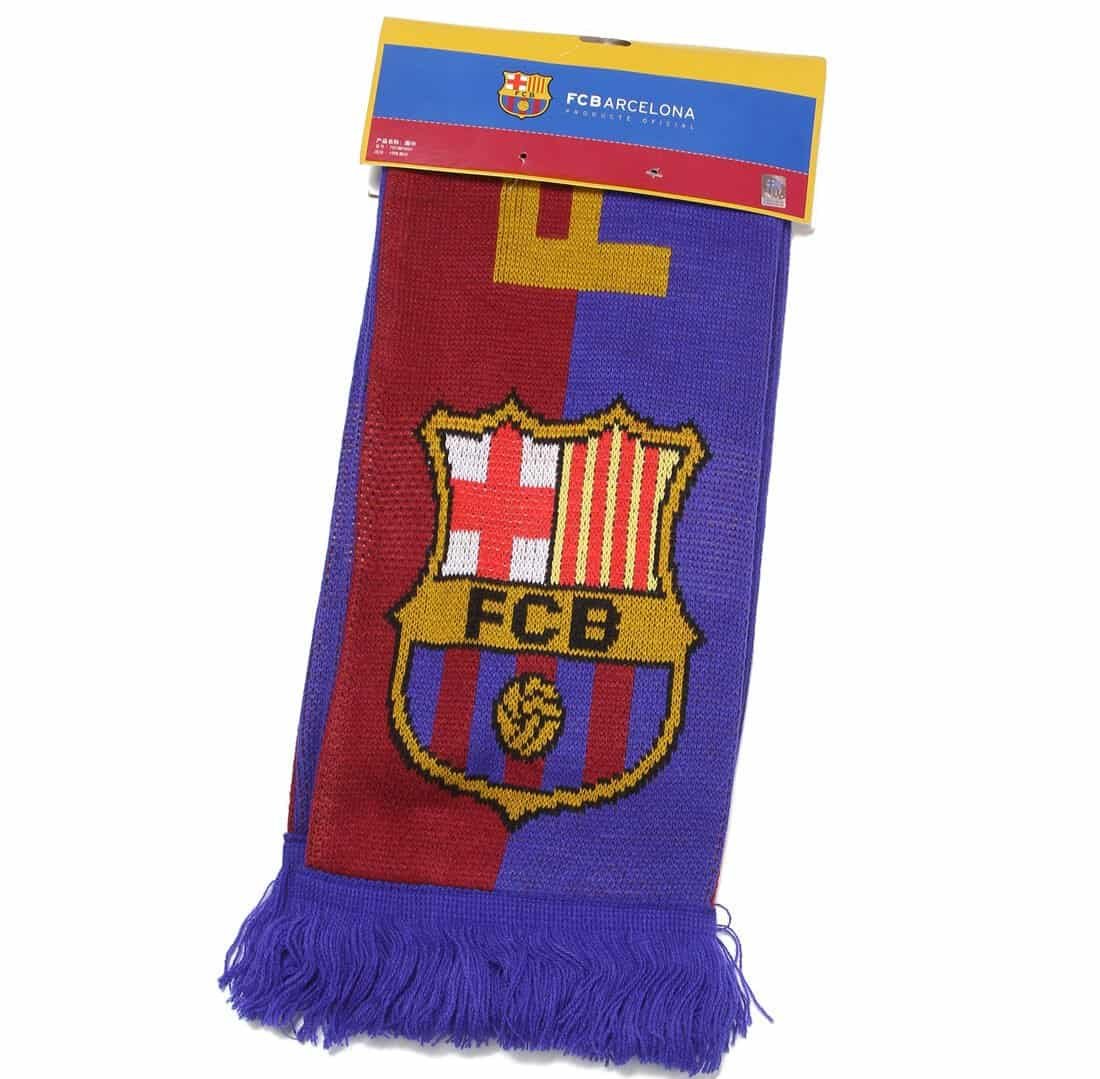
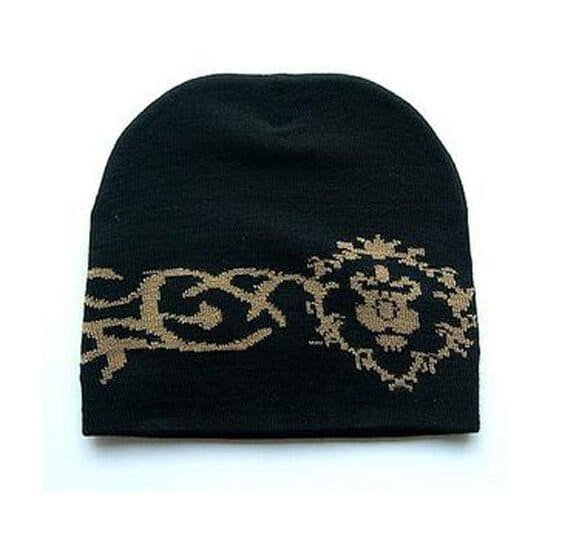
 Single jaquard scarf&hat knitting machine

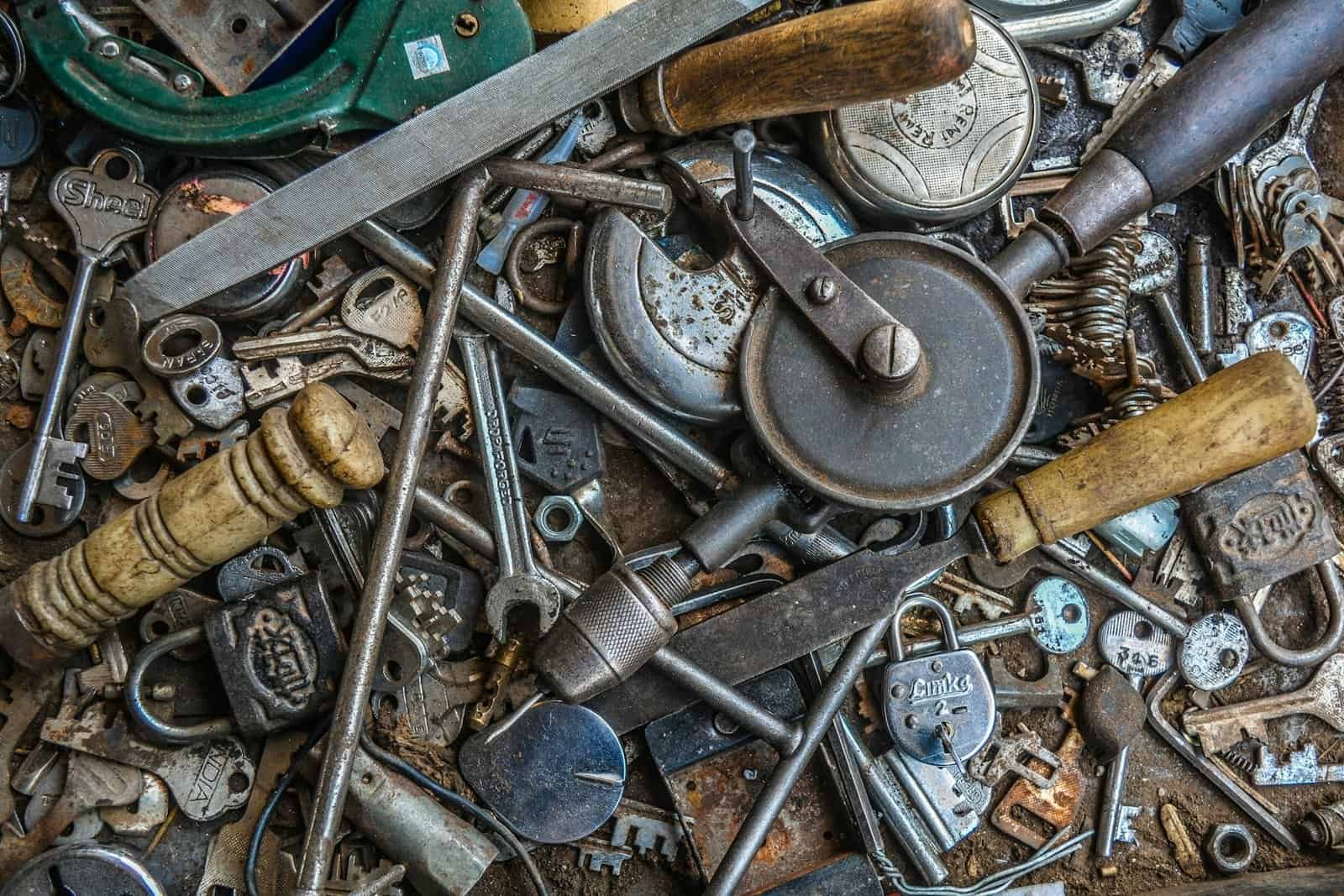
When purchasing textile machinery, buyers usually pay close attention to machine specifications, production capacity, knitting speed, technical configuration, and price. These factors are important, but there is another consideration that deserves the same level of attention: spare parts availability.
A machine may perform well during installation and initial production, but its long-term value depends on how consistently it can operate over the coming years. When a component wears out, a mechanical part needs replacement, or an unexpected failure occurs, the availability of the correct spare part can directly affect production schedules, maintenance costs, and delivery commitments.
From a machinery manufacturer’s perspective, equipment quality should not be measured only by how well a machine performs when it leaves the factory. It should also be evaluated by how well the manufacturer supports that machine throughout its working life.
1. Machine Quality Goes Beyond the Initial Performance
A textile machine is a combination of mechanical structures, electronic systems, transmission components, and precision parts. Each component has a specific role in maintaining the machine’s operating condition.
During normal production, some parts are exposed to continuous movement, friction, vibration, temperature changes, or repetitive mechanical loads. Over time, these conditions can lead to natural wear. This does not necessarily indicate poor machine quality; it is part of the operating life cycle of industrial equipment.
The important question is what happens when a component reaches the end of its service life.
If the required spare part can be identified and supplied promptly, maintenance can be arranged with much less disruption. However, when the correct part is unavailable, a relatively small component issue may keep an entire production machine out of operation.
For a factory running multiple machines, this can create a chain reaction. Production plans may need to be adjusted, workers may have to be reassigned, and delivery schedules may become difficult to maintain.
That is why spare parts support should be considered part of the overall quality of textile machinery, rather than an additional service that only becomes relevant after a problem occurs.
2. Compatibility Is More Important Than Simply Having Spare Parts
Having spare parts in stock is useful, but availability alone does not guarantee a successful repair. The parts must also be compatible with the specific machine model and configuration.
In textile machinery, components that appear similar may have differences in dimensions, materials, structures, or technical specifications. Even a small difference can affect installation, machine operation, or the performance of related components.
For example, a replacement part used in a sock knitting machine must match the corresponding machine structure and operating requirements. Selecting a component based only on its general appearance or name can result in poor fitting, unstable operation, or repeated maintenance work.
This is particularly important for factories operating machines purchased at different times or with different configurations. Before arranging a replacement, the machine model, component details, and actual application should be confirmed.
A professional supplier should therefore be able to help customers identify the correct part, understand its application, and avoid unnecessary replacement attempts.
In my experience, clear communication about machine models and component specifications can save considerable time. It is often more efficient to confirm the details before shipment than to discover a compatibility problem after the parts arrive.
3. The Cost of Machine Downtime Can Be Greater Than the Cost of a Spare Part
When discussing spare parts, buyers sometimes focus mainly on the purchase price. However, the cost of a replacement component is only one part of the calculation.
The bigger concern is often production downtime.
Imagine a factory that has an urgent order to complete. If one machine stops because of a worn or damaged component, the factory may have to redistribute production to other machines. If those machines are already operating near their planned capacity, the interruption can affect the entire production schedule.
For overseas customers, the situation may become more complicated. Shipping a replacement component internationally takes time, and the total delay may include communication, technical confirmation, preparation, transportation, and local customs procedures.
The actual impact depends on the machine, the component, the available alternatives, and the factory’s production arrangements. Nevertheless, it is clear that waiting for a small replacement part can sometimes create a much larger operational cost.
This is why factory owners should consider spare parts planning before a problem occurs. For frequently used or wear-prone components, keeping a reasonable quantity of essential spares can help reduce unexpected interruptions.
The objective is not to purchase every possible replacement part in advance. It is to identify which components are critical to production and prepare accordingly.
4. Spare Parts Planning Should Be Based on Actual Production Conditions
Different textile factories have different maintenance requirements. A factory operating a small number of machines may have different priorities from a large production facility running equipment across several shifts.
The type of product, production intensity, machine configuration, working environment, and maintenance experience all influence spare parts consumption.
For example, components subject to regular mechanical movement may require more frequent inspection than parts that experience relatively little wear. Machines operating for extended periods may also need a more carefully planned maintenance schedule.
A practical spare parts plan should consider several factors:
Machine quantity and model: Factories should maintain clear records of the equipment they operate, including model information and relevant configurations. This makes it easier to identify compatible replacement parts.
Production intensity: Machines running for long hours or handling continuous orders may require closer attention to wear-prone components.
Maintenance history: Recording previous replacements and recurring problems helps factories identify which parts deserve priority in future planning.
Delivery lead time: For overseas factories, the time required to obtain replacement parts should be considered when deciding which items to keep in local stock.
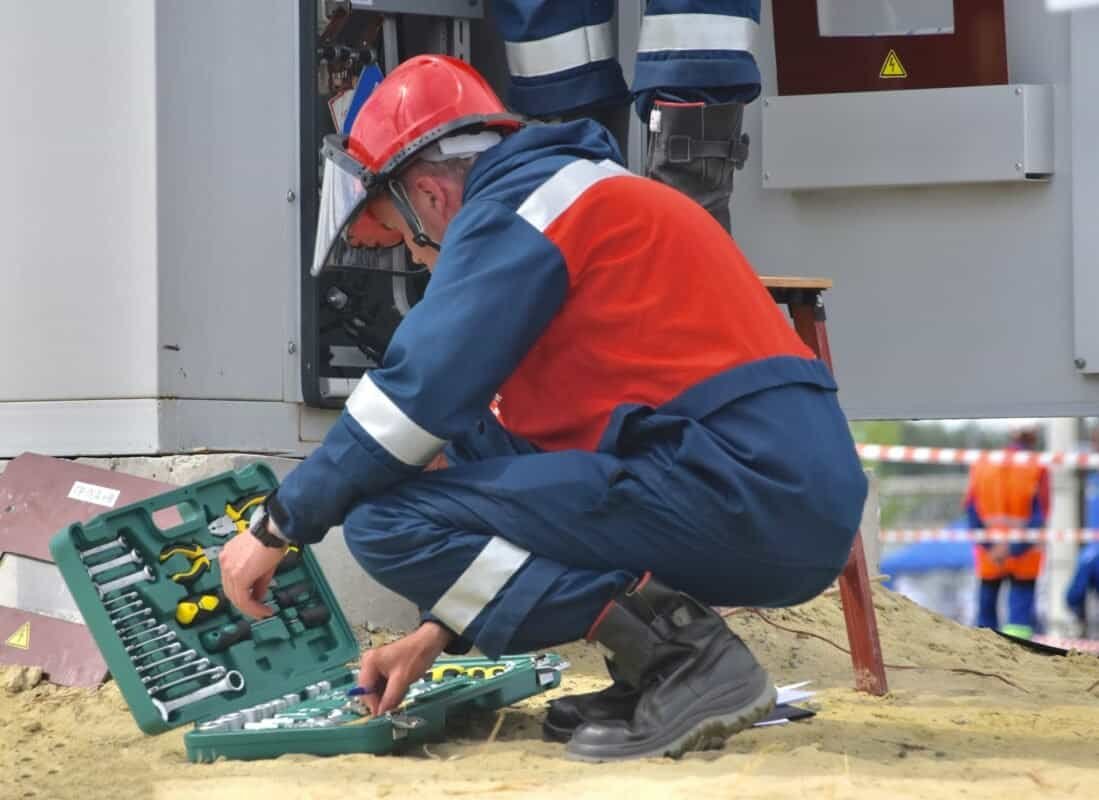
Technical support: When a fault occurs, customers need more than a component number. They may also need help identifying the problem and confirming the correct replacement procedure.
A well-organized approach can make spare parts management more predictable and reduce the risk of emergency purchasing.
5. Why Overseas Buyers Should Evaluate the Supplier’s After-Sales Support
For international machinery buyers, selecting a supplier involves more than comparing technical specifications and quotations. The distance between the manufacturer and the customer adds another layer of responsibility.
When a machine is installed in another country, customers may not have convenient access to the original manufacturer. Differences in time zones, language, transportation arrangements, and local technical resources can all affect the maintenance process.
This makes the supplier’s ability to provide long-term support especially important.
Before placing an order, buyers should understand how the manufacturer handles spare parts inquiries, whether parts can be identified according to machine models, how technical questions are communicated, and what arrangements are available when a replacement is required.
It is also worth discussing the availability of commonly used components and the process for ordering parts after the initial machine purchase.
These questions are not simply about after-sales service. They help buyers evaluate whether the supplier is prepared to support the equipment beyond the delivery stage.
A reliable machinery partnership should continue after installation, because the customer’s production requirements do not end when the machine arrives at the factory.
6. Spare Parts Support Is Closely Connected to Production Stability
Production stability is usually discussed in terms of machine design, manufacturing precision, operating conditions, and maintenance practices. Spare parts support is another important part of this relationship.
Even a well-designed machine requires regular inspection and eventual replacement of certain components. If maintenance is delayed because the correct parts cannot be obtained, the machine may continue operating under unsuitable conditions or remain unavailable for production.
On the other hand, when spare parts are properly identified and supplied, factories can follow maintenance schedules more effectively. They can replace worn components before they lead to more serious interruptions, where practical, rather than waiting until a machine stops completely.
This does not mean that spare parts availability can eliminate every production problem. Proper operation, operator training, routine inspection, and technical maintenance remain essential.
However, when these elements work together, factories have a better foundation for keeping their textile machinery in reliable working condition.
For manufacturers, this means that spare parts management should be considered alongside machine production, quality control, and customer support from the beginning.
7. How King Knit Supports Customers with a Complete Supply Chain
At King Knit Machinery, we understand that textile machinery is a long-term investment. Customers need machines that meet their production requirements, but they also need dependable support when maintenance or replacement parts become necessary.
In addition to textile machinery manufacturing, King Knit provides complete supply chain support for customers. This includes coordinating the relevant parts and supply resources, helping customers identify suitable components, and supporting their spare parts requirements according to the machine model and actual application.
Our approach is to look beyond the initial equipment delivery. We believe that a machinery supplier should understand the customer’s production needs throughout the equipment’s service life, including maintenance, component replacement, and future production planning.
Whether customers are investing in sock knitting machines or other textile machinery, clear communication about machine configuration and spare parts requirements helps establish a more practical long-term working relationship.
You can learn more about our textile machinery and production solutions and contact our team to discuss your machinery requirements.
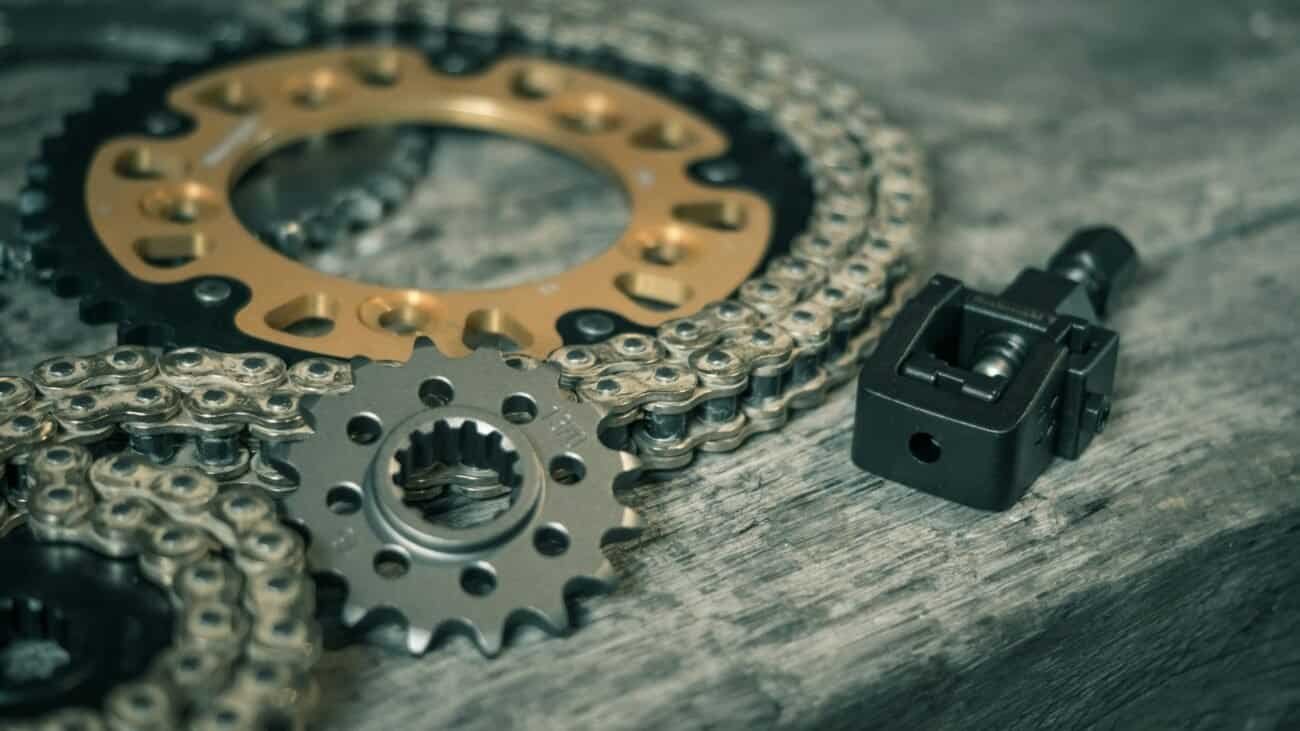
Conclusion: Think Beyond the Machine Purchase
Choosing textile machinery is not only about comparing prices, production speeds, or technical specifications. It is also about understanding what support will be available after the equipment enters daily production.
Spare parts availability, component compatibility, maintenance planning, and supplier communication all influence the long-term value of an industrial machine.
For factory owners and machinery buyers, asking about spare parts support before purchasing equipment is a practical way to reduce uncertainty. For manufacturers, providing reliable parts support is part of taking responsibility for the machines they produce.
A machine’s value should not be judged only on the day it is delivered. Its real value is demonstrated through years of production, maintenance, and continued support.
About King Knit Machinery
King Knit Machinery specializes in textile machinery manufacturing and complete production line solutions for international customers. With experience in textile machinery production, we understand that customers need more than equipment alone. Machine configuration, production requirements, spare parts supply, and long-term technical support all play important roles in a successful investment.
We aim to support customers from equipment selection to production, with machinery solutions and supply chain support designed around their practical manufacturing needs.
Learn More:
🌐 Website: https://kingknitfactory.com
📩 Email: kingknitmachinery@gmail.com