
 Single jersey circular knitting machine
 Single jersey computerized jacquard knitting machine
 Double Jersey circular knitting machine
 Rib tansfer electronic jacquard knitting machine
 Double electronic jacquard circular knitting machine
 Double jersey computerized acquard circular knitting machine
 Double jersey mini jarquard knitting machine
 Reverse or face side terryknitting machine
 Terry electronic jacquard knitting machine(2/3ways)
 High speed open width double jersey knitting machine

 Automatic Linking intelligent socks knitting machine
 computerized plain socks knitting machine
 Double cylinder sock knitting machine


 Single jaquard scarf&hat knitting machine


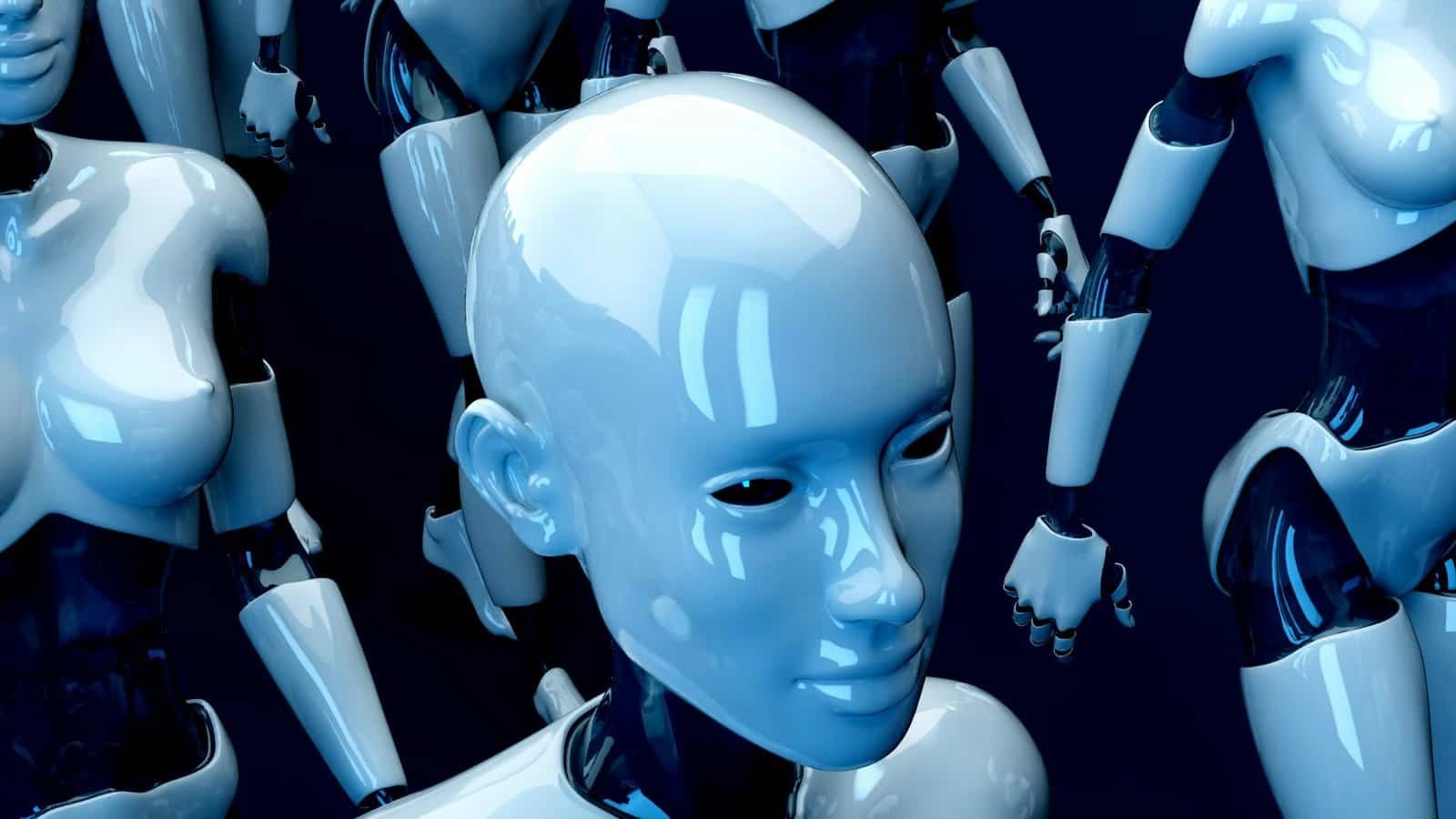
Artificial Intelligence has become one of the most discussed topics in the manufacturing industry. From smart factories to fully automated production lines, AI is often presented as the future of industrial transformation.
However, beyond the headlines and marketing claims, many manufacturers are asking a practical question:
Where does AI actually create measurable value in manufacturing?
Moving From Buzzwords to Real Applications
In recent years, the term “AI in manufacturing” has been widely used. But successful implementation rarely means replacing entire production systems. Instead, it usually involves targeted improvements within existing industrial processes.
In textile manufacturing and other industrial sectors, AI is not about eliminating machines — it is about optimizing how they operate.
The most effective applications tend to focus on three areas: data analysis, predictive maintenance, and quality monitoring.

1. Predictive Maintenance
One of the clearest real-world uses of AI in manufacturing is predictive maintenance.
Industrial machinery generates large amounts of operational data. AI systems can analyze patterns in vibration, temperature, and performance metrics to identify early signs of wear or potential failure.
Instead of reacting to unexpected downtime, manufacturers can schedule maintenance proactively. This reduces disruption and improves overall equipment effectiveness.
In environments where knitting machines and textile machinery operate continuously, even small reductions in unplanned downtime can significantly improve productivity.
2. Production Data Optimization
AI also plays a growing role in analyzing production data.
Manufacturing facilities collect vast amounts of information — output rates, defect percentages, energy consumption, and machine performance statistics. AI-driven analytics help identify patterns that may not be obvious through manual review.
For example, small fluctuations in operating parameters can gradually affect product quality. AI systems can detect correlations between process settings and performance outcomes, allowing managers to adjust operations more precisely.
Rather than replacing human decision-making, AI enhances visibility.

3. Quality Control Enhancement
In some advanced manufacturing environments, AI-powered visual inspection systems are being used to detect product defects in real time.
These systems analyze images of finished products and identify inconsistencies faster than manual inspection alone. While not universally adopted across all sectors, this application is growing steadily.
In textile manufacturing, consistent quality remains critical. AI-assisted inspection can help maintain uniform standards across large production volumes.
What AI Does Not Replace
Despite its advantages, AI does not eliminate the need for experienced operators, engineers, and production managers.
Machines still require setup.
Production strategies still require planning.
Operational judgment still depends on human expertise.
AI performs best when integrated into existing manufacturing systems as a support tool — not as a standalone solution.
The Real Opportunity
The real opportunity in AI-driven manufacturing is not full automation, but intelligent optimization.
Companies that approach AI pragmatically — focusing on measurable improvements rather than technological trends — are more likely to see sustainable results.
In industrial sectors, progress often happens incrementally, not dramatically.

About King Knit
At King Knit, we focus on providing reliable industrial solutions that support efficient and stable manufacturing environments. As technology evolves, we continue observing how digital tools and intelligent systems can enhance long-term operational performance in modern production settings.
Learn more:
🌐 https://kingknitfactory.com
📩 client@kingknit.com