
 Single jersey circular knitting machine
 Single jersey computerized jacquard knitting machine
 Double Jersey circular knitting machine
 Rib tansfer electronic jacquard knitting machine
 Double electronic jacquard circular knitting machine
 Double jersey computerized acquard circular knitting machine
 Double jersey mini jarquard knitting machine
 Reverse or face side terryknitting machine
 Terry electronic jacquard knitting machine(2/3ways)
 High speed open width double jersey knitting machine

 Automatic Linking intelligent socks knitting machine
 computerized plain socks knitting machine
 Double cylinder sock knitting machine


 Single jaquard scarf&hat knitting machine


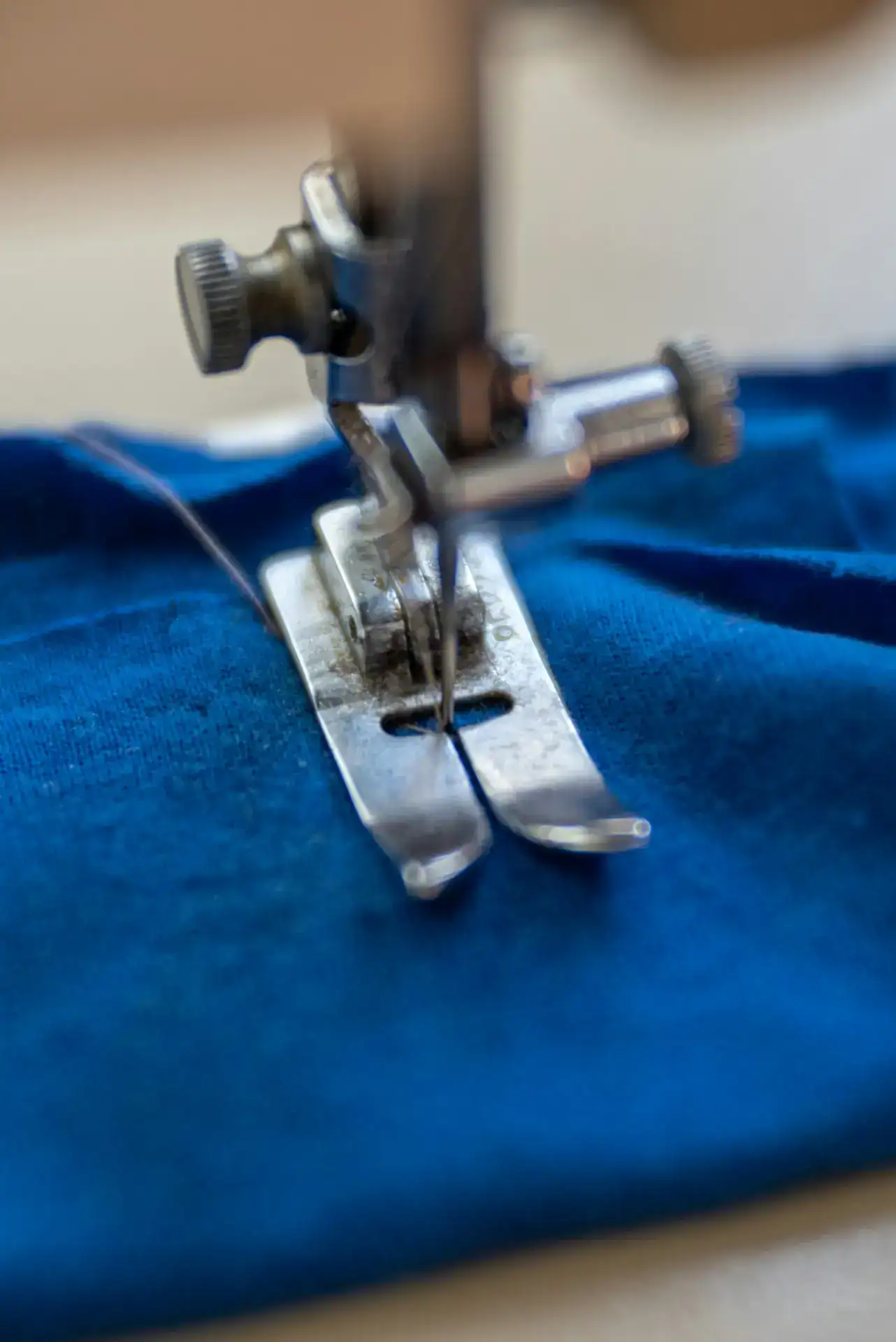
In the textile industry, the performance of a sock knitting machine plays a direct role in production stability, product quality, and overall factory efficiency. While modern knitting machines are designed for high-speed and continuous operation, they rarely develop problems without early warning signs.
Understanding the most common issues in a sock knitting machine is not just about maintenance — it is about improving the long-term performance of textile machinery and keeping textile production consistent.
One of the most frequent problems in sock knitting machines is yarn breakage. Although yarn quality is often suspected first, the cause is frequently mechanical. Worn yarn guides, improper tension settings, and misalignment inside the knitting machine can all increase stress on the yarn. When factories push for higher output, running a sock knitting machine at higher speeds can make these weaknesses appear more often.

Another common issue in textile knitting machines is uneven stitch formation. This usually becomes visible in the final product rather than as an immediate machine alarm. Needle wear, cylinder misalignment, or unstable yarn feeding inside the circular knitting machine system can slowly affect fabric consistency. Because the sock knitting machine continues operating, quality issues may only be discovered during inspection.
Operators should also pay attention to changes in sound and vibration. In any industrial knitting machine, increased vibration often signals bearing wear or imbalance in rotating components. Over time, this affects not only the sock knitting machine itself but also the reliability of the entire textile production line.
Frequent parameter adjustments are another sign that a knitting machine is losing stability. When operators constantly modify settings just to maintain output, it often indicates component wear or inconsistent maintenance. This reduces overall production efficiency and increases the workload for technical staff.

Perhaps the most overlooked issue in sock knitting machines is a gradual rise in defect rates without a clear breakdown. Machines appear to run normally, yet product consistency declines. In most cases, this is caused by cumulative wear in key parts of the textile machinery, small timing deviations, and reduced mechanical precision over time.
These problems show that a sock knitting machine reflects how it is operated and maintained. In the textile manufacturing environment, stable performance depends not only on machine design but also on daily management, proper maintenance, and consistent operating standards.
By recognizing early signals and addressing root causes, factories can extend the service life of their knitting machines, improve textile production efficiency, and reduce unexpected downtime.
About King Knit
King Knit specializes in advanced textile machinery, including high-performance sock knitting machines and other industrial knitting machines used in modern textile manufacturing. We focus on providing reliable equipment that supports stable production, consistent quality, and long-term factory performance.
Explore our textile machine solutions here:
🌐 https://kingknitfactory.com


