
 Single jersey circular knitting machine
 Single jersey computerized jacquard knitting machine
 Double Jersey circular knitting machine
 Rib tansfer electronic jacquard knitting machine
 Double electronic jacquard circular knitting machine
 Double jersey computerized acquard circular knitting machine
 Double jersey mini jarquard knitting machine
 Reverse or face side terryknitting machine
 Terry electronic jacquard knitting machine(2/3ways)
 High speed open width double jersey knitting machine

 Automatic Linking intelligent socks knitting machine
 computerized plain socks knitting machine
 Double cylinder sock knitting machine


 Single jaquard scarf&hat knitting machine


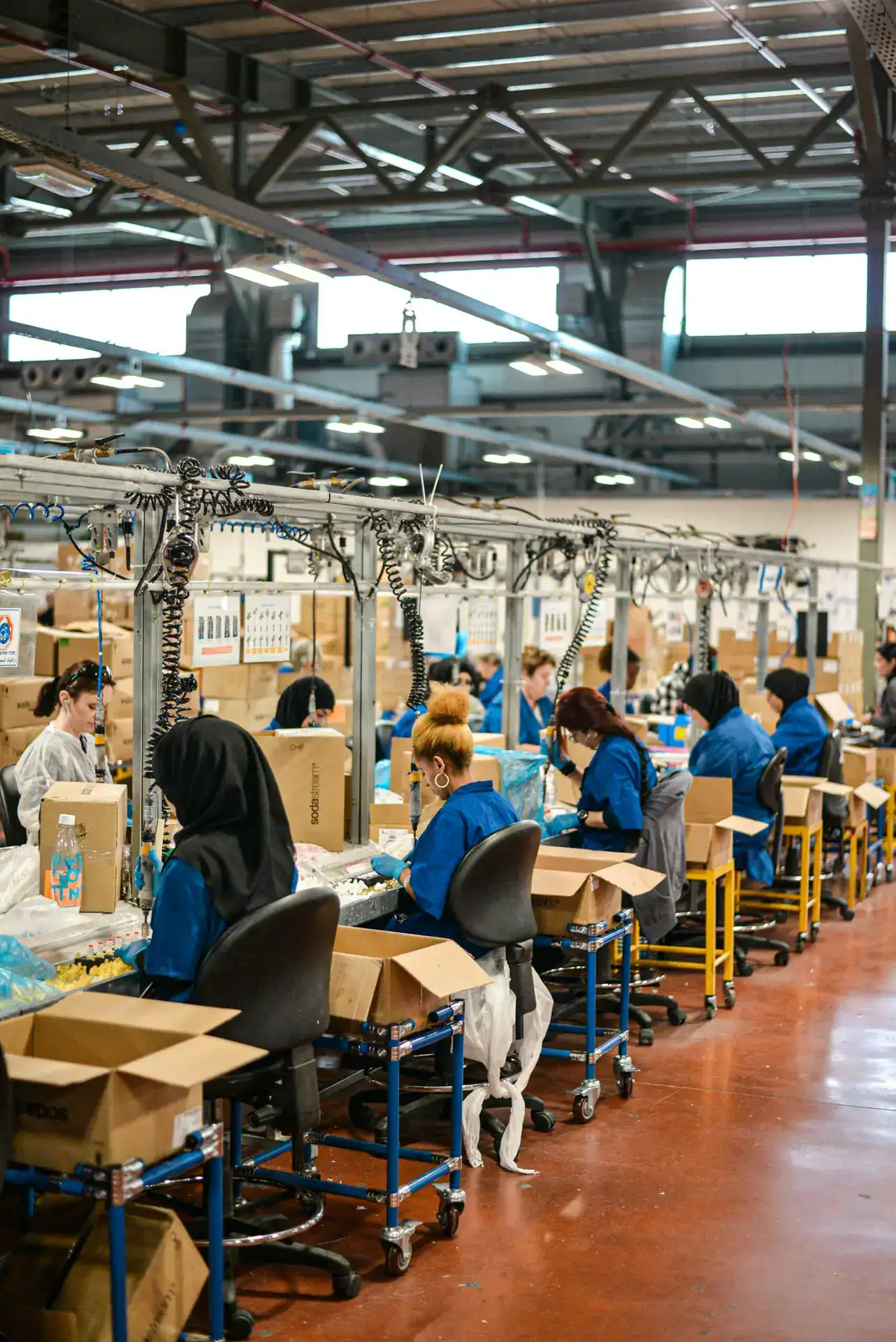
In many textile factories, shift handover is treated as a routine formality. Machines keep running, production continues, and as long as output doesn’t stop, the handover is considered “good enough.”
However, over time, many factories discover that small issues during shift handover quietly affect daily production efficiency — not through obvious failures, but through accumulated inconsistencies.
Shift Handover Is Not Just a Human Process
In textile manufacturing, machines operate continuously, but people change. Each shift brings different habits, interpretations, and priorities.
When information is not passed clearly between shifts, textile machinery begins to operate under slightly different conditions:
- Settings are adjusted without context
- Minor issues are noticed but not documented
- Temporary fixes become permanent habits
None of these cause immediate downtime, but together they reduce machine consistency and increase long-term wear.

Small Gaps Multiply at Scale
At small production scales, informal communication often works. Supervisors remember what happened in the previous shift, and problems are solved verbally.
As factories grow and operate more industrial knitting machines, such as sock knitting machines, glove knitting machines, or circular knitting machines, these small gaps multiply.
One missed note during shift handover can affect multiple machines, multiple operators, and an entire production day.
Machines Reflect Management Discipline
Interestingly, factories using the same machine models often experience very different results. The difference is rarely the machine itself, but how consistently it is operated across shifts.
Clear shift handover practices help ensure:
- Stable machine parameters
- Predictable production output
- Reduced troubleshooting time
- Better maintenance planning
Inconsistent handovers, on the other hand, slowly erode textile production efficiency without obvious warning signs.

Why Shift Handover Matters More Than It Seems
Shift handover sits at the intersection of people, processes, and machinery. It’s not a paperwork issue — it’s a production issue.
Factories that treat handover as part of their production system, rather than an administrative task, tend to experience smoother operations and fewer “unexplainable” production fluctuations.

About King Knit
At King Knit, we work closely with textile manufacturers and frequently see how small operational details impact long-term performance. Our industrial textile machinery, including sock knitting machines and glove knitting machines, is designed to support stable production — but real efficiency comes from how machines are managed day after day.
That’s why we emphasize practical factory usage, consistency, and long-term thinking alongside machine design.
Learn more about our textile machinery solutions:
🌐 https://kingknitfactory.com