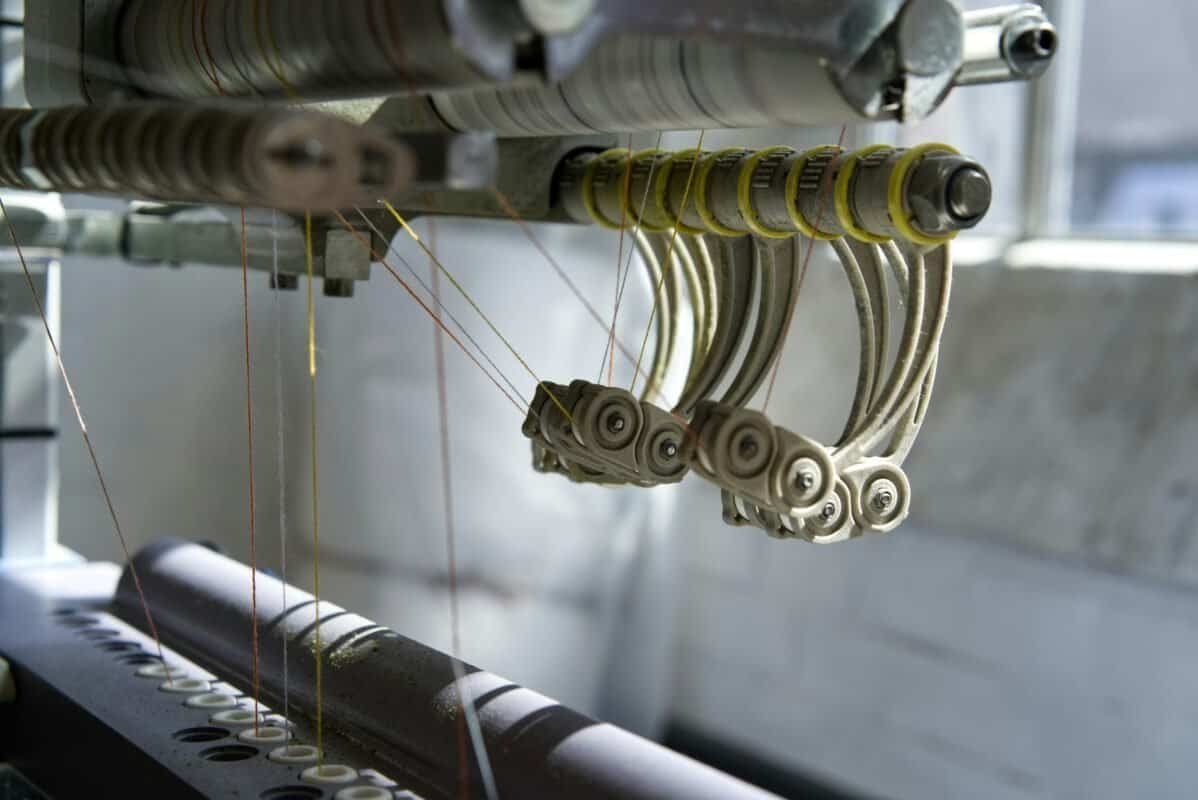
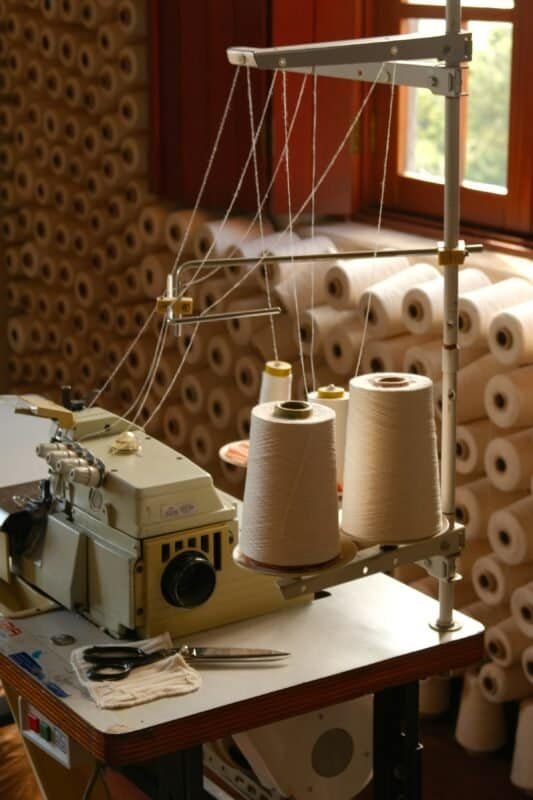
 Single jersey circular knitting machine
 Single jersey computerized jacquard knitting machine
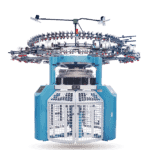 Double Jersey circular knitting machine
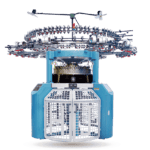 Rib tansfer electronic jacquard knitting machine
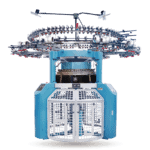 Double electronic jacquard circular knitting machine
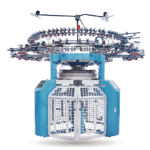 Double jersey computerized acquard circular knitting machine
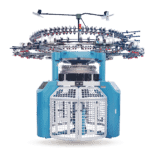 Double jersey mini jarquard knitting machine
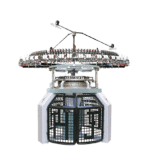 Reverse or face side terryknitting machine
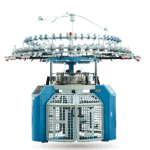 Terry electronic jacquard knitting machine(2/3ways)
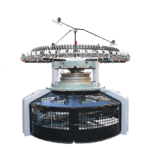 High speed open width double jersey knitting machine

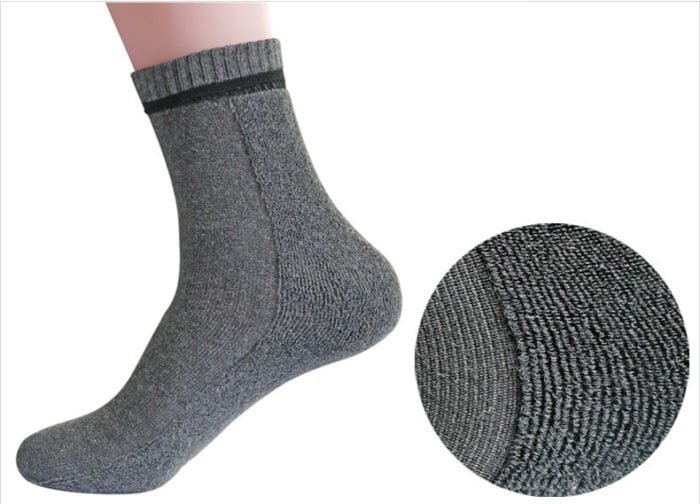
 Automatic Linking intelligent socks knitting machine
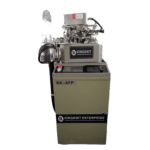 computerized plain socks knitting machine
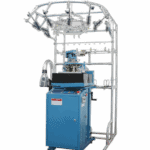 Double cylinder sock knitting machine


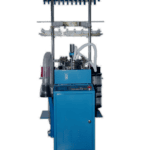 Single jaquard scarf&hat knitting machine



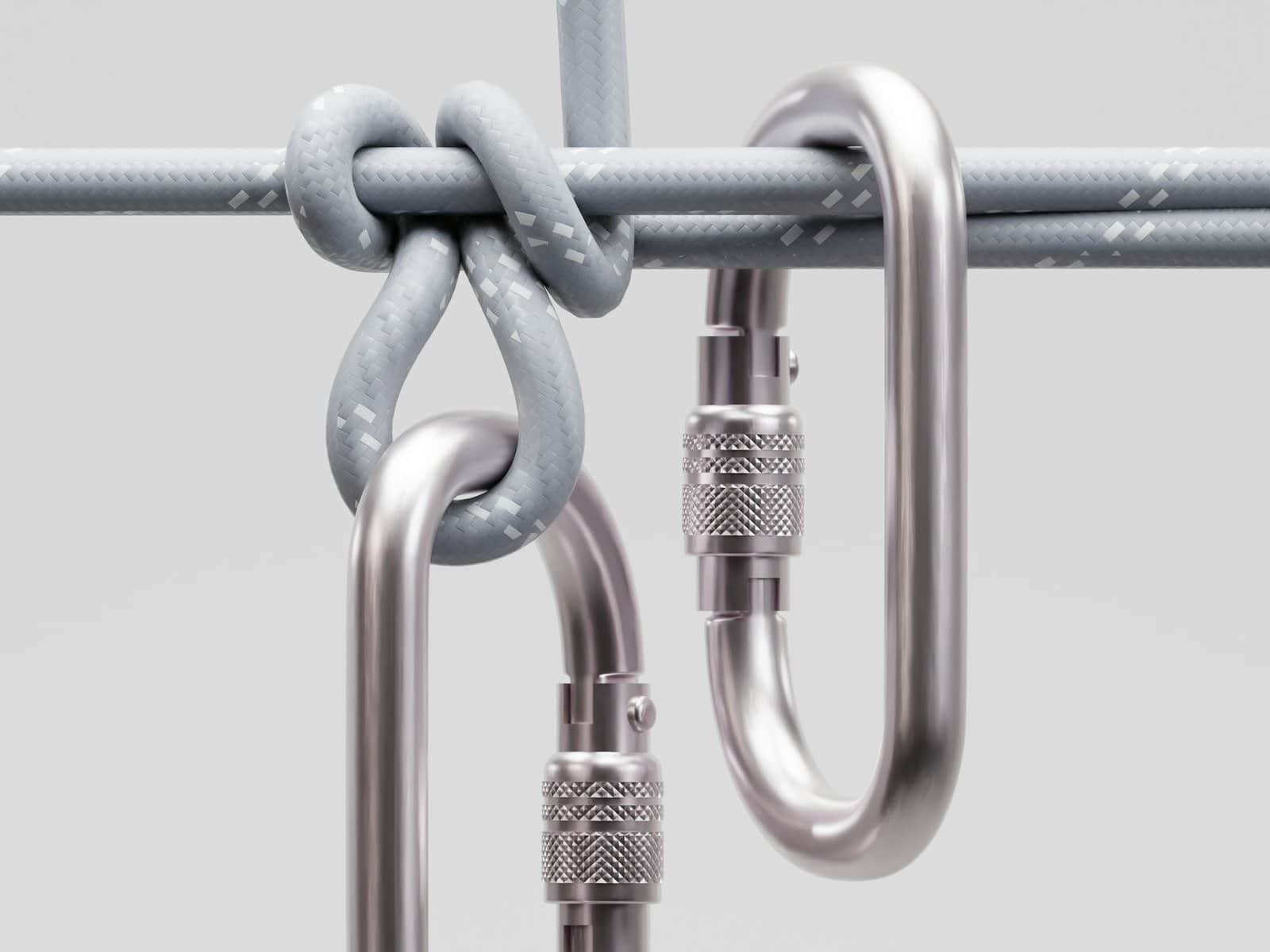
In competitive markets, companies often try to differentiate through innovation, pricing, or scale.
New products attract attention.
Lower prices win short-term contracts.
Rapid growth creates visibility.
But in industrial markets, another factor often proves more powerful over time: reliability.
Reliability rarely generates headlines. It does not create dramatic stories. Yet in manufacturing and global trade, it quietly becomes one of the strongest strategic advantages a company can build.
Reliability Reduces Uncertainty
Industrial transactions involve significant risk.
Orders are large.
Delivery schedules are tight.
Production plans depend on accurate timelines.
When companies choose a supplier or partner, they are not only evaluating cost. They are evaluating uncertainty.
A reliable company reduces risk.
Clear communication minimizes misunderstandings.
Consistent quality reduces rework.
On-time delivery stabilizes production planning.
In this sense, reliability functions as a form of risk management within the industrial supply chain.
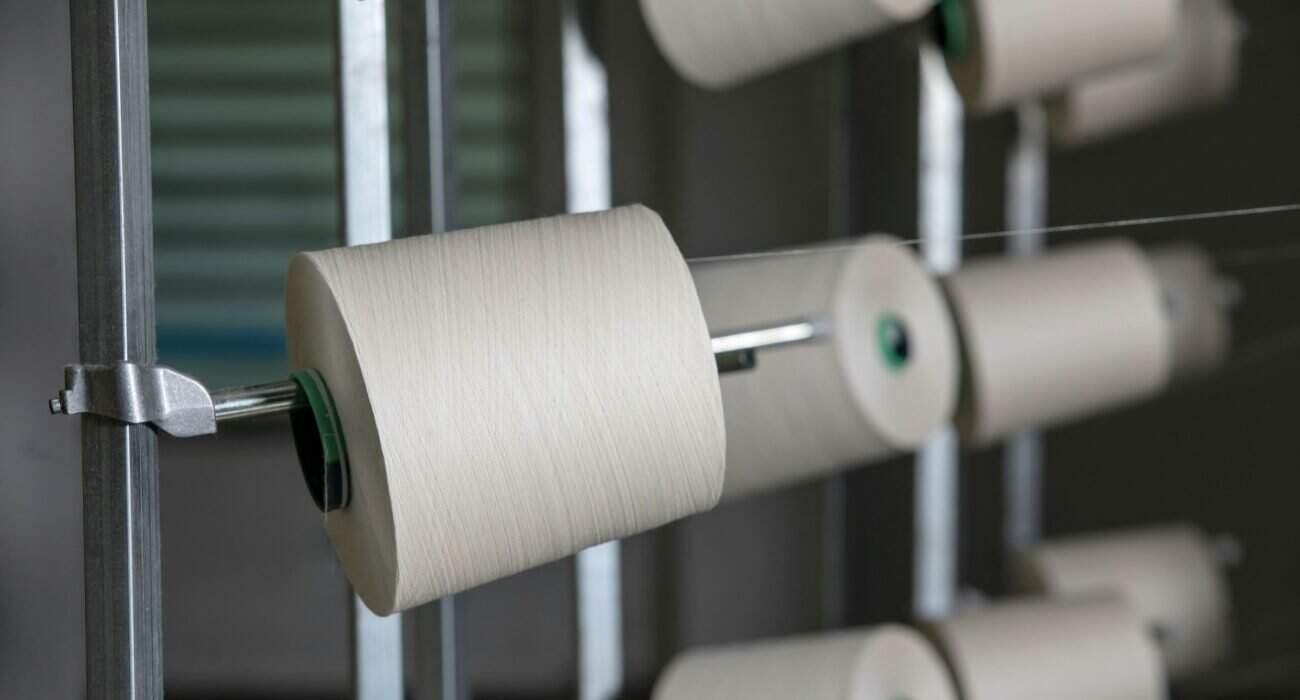
Reliability Builds Compounding Trust
Trust in industrial markets does not appear instantly.
It develops through repeated performance.
One successful delivery builds confidence.
Consistent performance over years builds partnership.
Unlike marketing campaigns, reliability compounds. The longer it is maintained, the stronger it becomes. Over time, it lowers negotiation friction, shortens decision cycles, and strengthens long-term cooperation.
In B2B environments, this compounding effect can be more valuable than aggressive expansion.
Reliability Supports Sustainable Growth
Many companies focus heavily on expansion — new markets, larger production capacity, increased volume.
But without operational reliability, growth creates pressure.
In manufacturing, reliability ensures that systems can support expansion without compromising quality or service. Stable processes, disciplined operations, and consistent performance provide the foundation that allows growth to remain sustainable.
Without reliability, scale becomes fragile.
With reliability, scale becomes resilient.

Reliability as Strategy, Not Habit
Reliability should not be viewed as a basic operational requirement. It is a strategic choice.
It requires internal discipline.
It requires accountability.
It requires long-term thinking.
Companies that consistently deliver what they promise build reputations that are difficult to replicate. In industrial markets, where decisions carry long-term consequences, that reputation becomes a competitive moat.
Conclusion
Innovation attracts attention.
Scale creates visibility.
Price wins negotiations.
But reliability builds longevity.
In uncertain global environments, being consistently dependable may be one of the most strategic advantages a company can have.
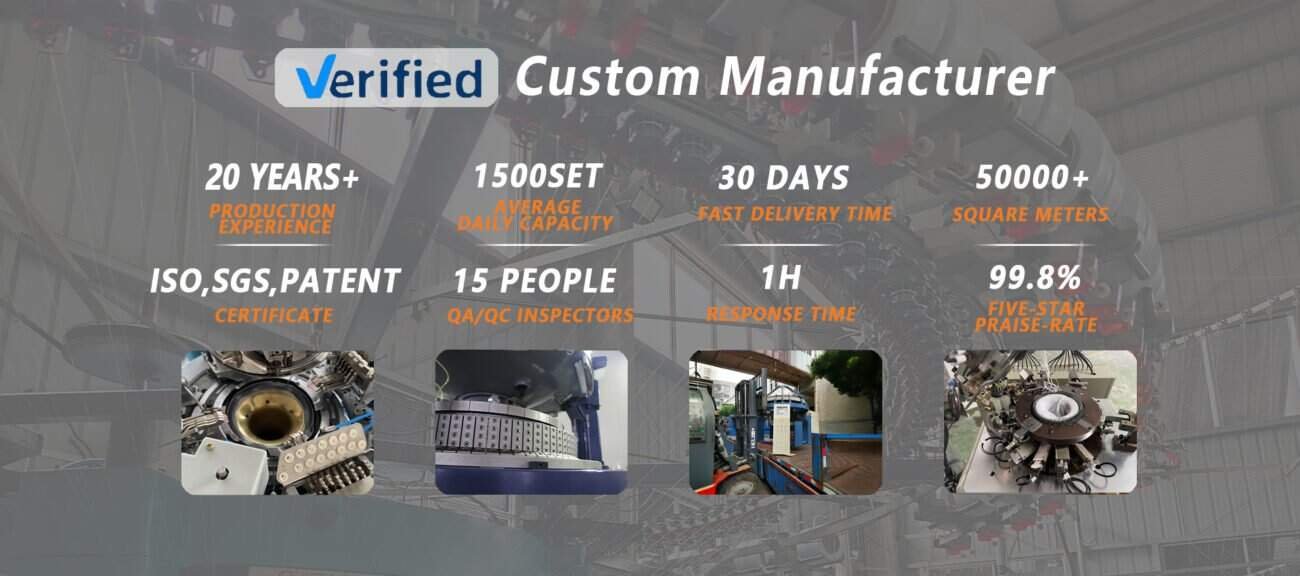
About King Knit
At King Knit, we believe long-term cooperation in industrial markets is built on reliability, transparency, and steady performance. Sustainable business is not driven by short-term excitement, but by consistent delivery over time.
Learn more:
🌐 https://kingknitfactory.com
📩 client@kingknit.com