
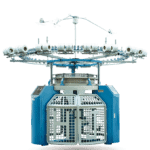
 Single jersey circular knitting machine
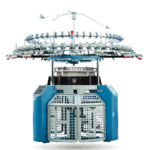 Single jersey computerized jacquard knitting machine
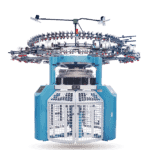 Double Jersey circular knitting machine
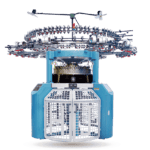 Rib tansfer electronic jacquard knitting machine
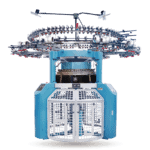 Double electronic jacquard circular knitting machine
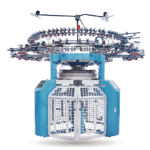 Double jersey computerized acquard circular knitting machine
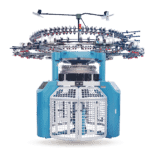 Double jersey mini jarquard knitting machine
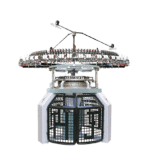 Reverse or face side terryknitting machine
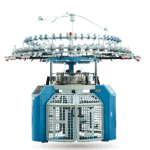 Terry electronic jacquard knitting machine(2/3ways)
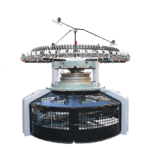 High speed open width double jersey knitting machine

 Automatic Linking intelligent socks knitting machine
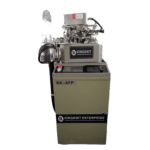 computerized plain socks knitting machine
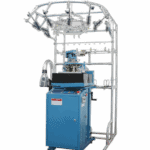 Double cylinder sock knitting machine
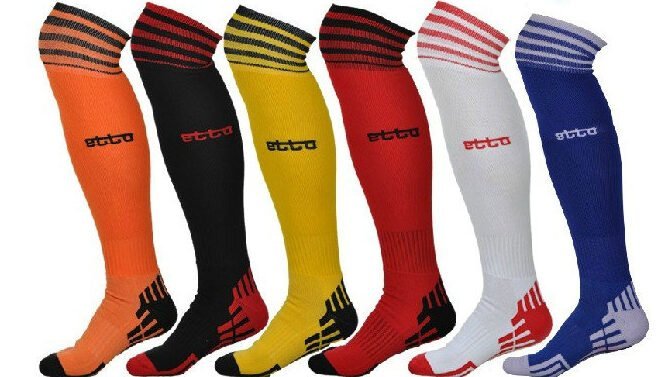

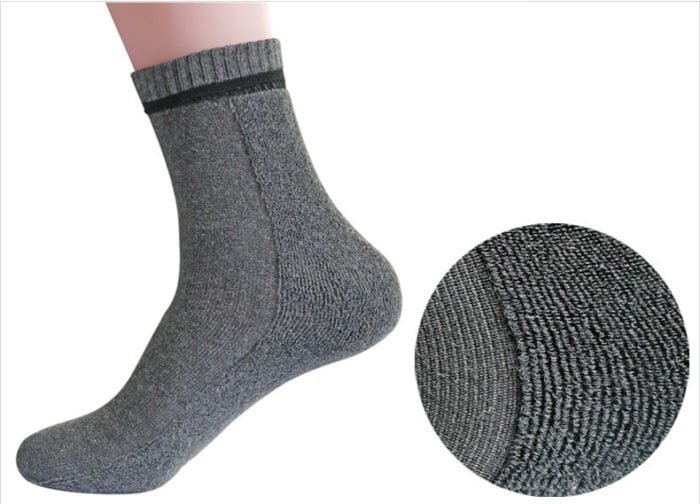
 Single jaquard scarf&hat knitting machine



The textile industry has always been closely connected with global economic changes, consumer demand, and technological development.
From traditional manual production to modern intelligent factories, textile manufacturing has experienced continuous transformation over the past decades. Today, the industry is entering another important stage of evolution, driven by automation, sustainability, supply chain changes, and increasing demand for flexibility.
The future of textile manufacturing will not simply be about producing more products. It will be about producing smarter, faster, and more sustainably.
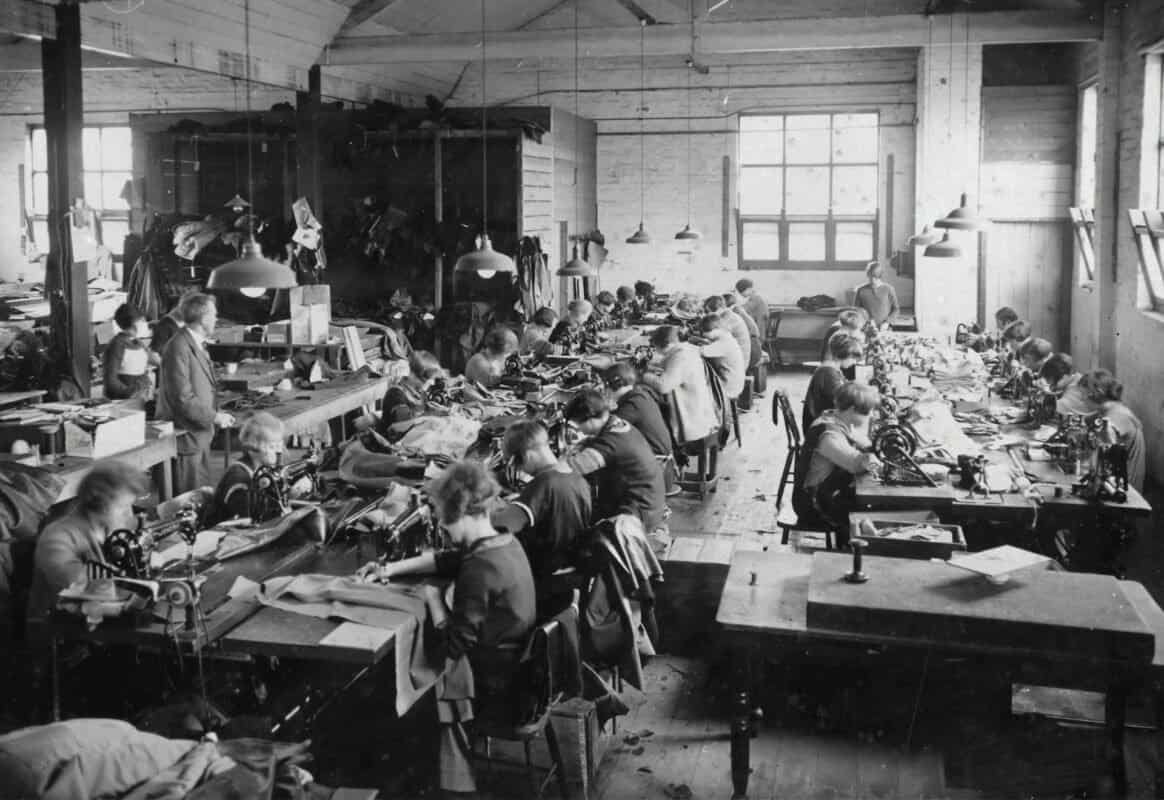
From Mass Production to Flexible Manufacturing
For many years, textile manufacturing was built around large-scale production.
Factories focused on increasing output, reducing costs, and improving production efficiency. This model helped the industry grow rapidly and supported the global expansion of textile supply chains.
However, market conditions are changing.
Consumers today expect more product variety, shorter delivery cycles, and faster responses to changing trends. This means factories need greater flexibility rather than only higher production volume.
Modern textile manufacturers are gradually moving toward production systems that can handle different materials, styles, and order requirements more efficiently.
The ability to adapt is becoming just as important as the ability to produce.
Technology Is Reshaping Textile Production
Technology continues to be one of the biggest forces changing the textile industry.
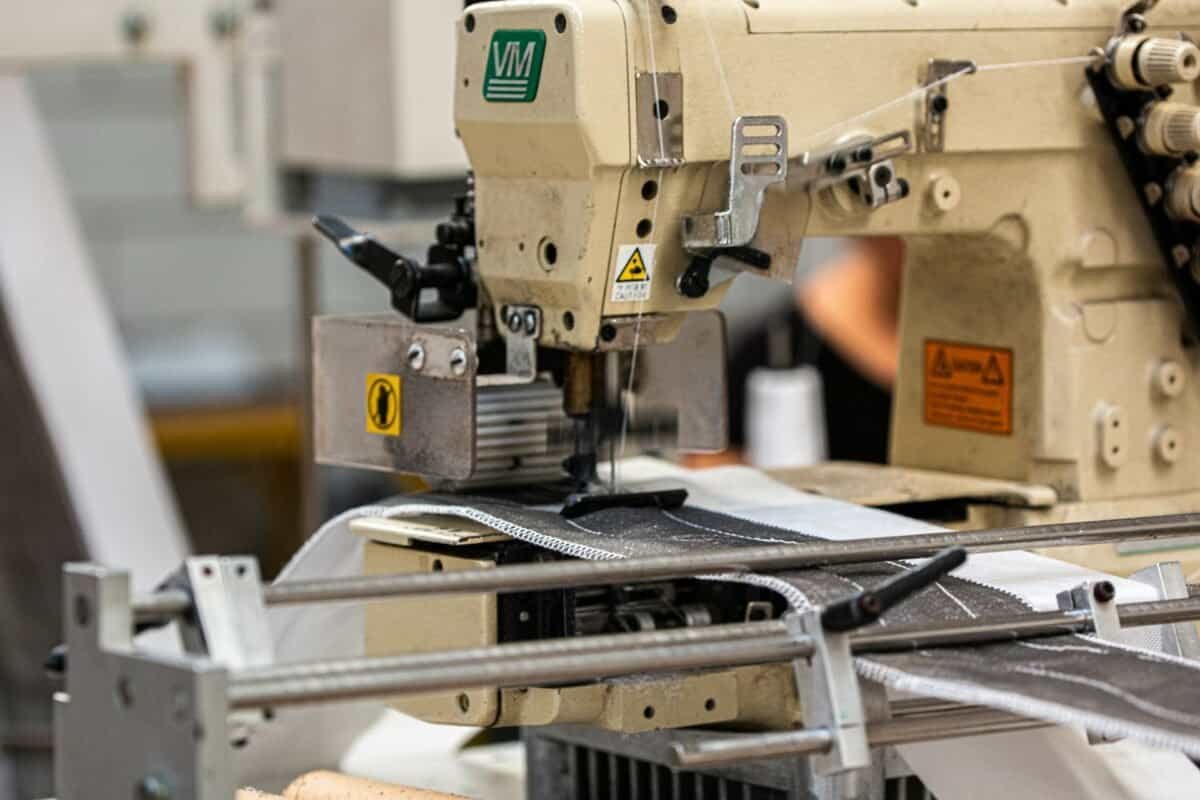
Modern textile machinery is becoming more intelligent, with improved control systems, automation features, and better production monitoring capabilities.
These developments help manufacturers:
- Improve production consistency
- Reduce manual adjustments
- Optimize machine performance
- Increase operational visibility
However, technology is not replacing manufacturing experience. Instead, the most successful factories are combining advanced equipment with skilled operators and practical production knowledge.
The future of textile manufacturing will belong to companies that can effectively integrate technology with real-world production experience.
Sustainability Becomes a Long-Term Requirement
Sustainability has moved from being an industry trend to becoming a long-term requirement.
Textile production involves significant resource consumption, including energy, water, and raw materials. As environmental expectations increase worldwide, manufacturers are under growing pressure to improve efficiency and reduce waste.
This is influencing every part of the industry, from material selection to production processes and equipment design.
More efficient machinery, reduced energy consumption, longer equipment lifespan, and better resource utilization will continue to shape the future development of textile manufacturing.
Global Supply Chains Are Becoming More Dynamic
The textile industry has always depended heavily on global supply chains.
However, recent years have shown that supply chains must become more flexible and resilient. Changes in transportation, regional manufacturing strategies, and market demand are encouraging companies to reconsider how and where production takes place.
For manufacturers, this creates both challenges and opportunities.
Factories that can provide reliable quality, stable production, and flexible solutions will be better positioned in the global market.
The Importance of Manufacturing Experience
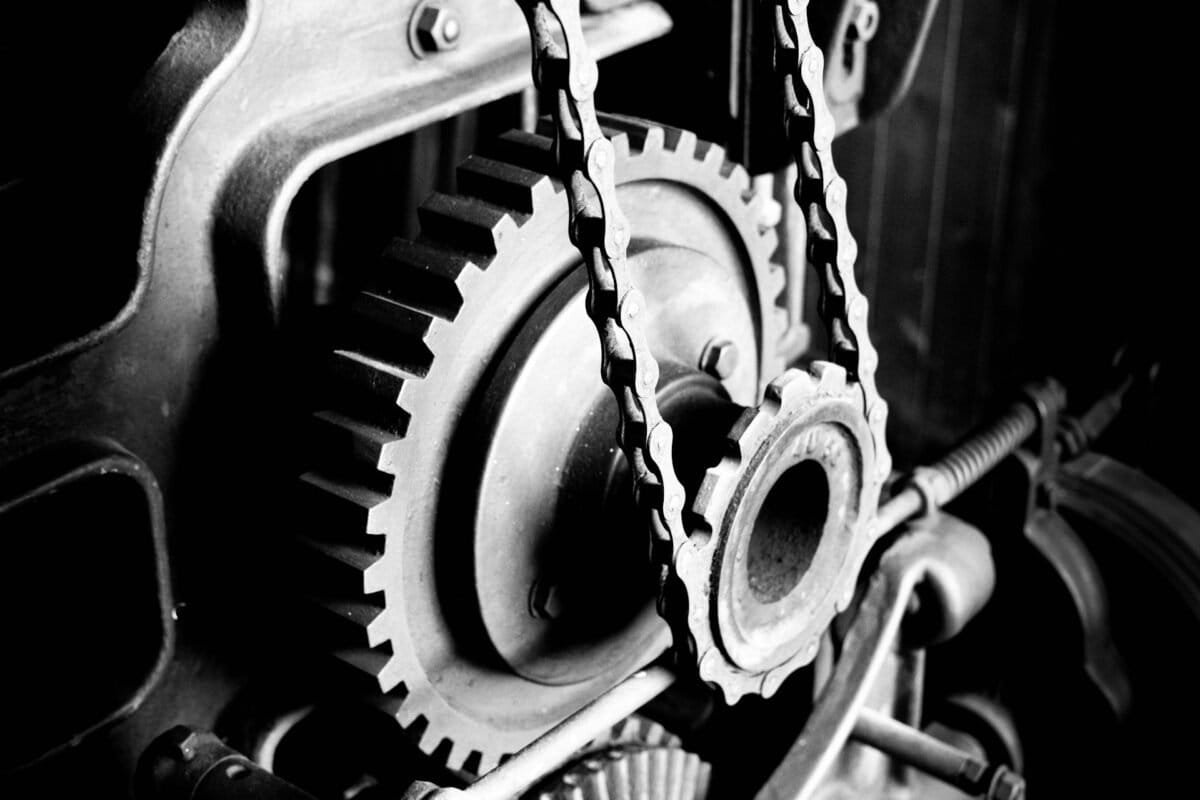
While technology continues to advance, experience remains one of the most valuable assets in textile manufacturing.
Machines, materials, and production environments are interconnected. Understanding how these elements work together requires years of practical experience.
The future factory will not be defined only by automation or equipment. It will be defined by the ability to combine technology, engineering knowledge, and operational expertise.
How King Knit Views the Future of Textile Manufacturing
At King Knit, we believe the future of textile manufacturing will be shaped by a combination of innovation and practical experience.
As the industry continues to evolve, textile machinery needs to do more than increase production capacity. It needs to support manufacturers with better efficiency, reliable operation, and the flexibility required in modern markets.
With years of experience in textile machinery development and manufacturing, King Knit continues to focus on creating solutions that meet real production needs and help factories adapt to the changing future of the textile industry.
The textile industry will continue to change, but one thing remains constant: the demand for high-quality textile products will always exist. The companies that understand change and adapt effectively will be the ones that create long-term success.
Learn more:
🌐 https://kingknitfactory.com
📩 client@kingknit.com