 Single jersey circular knitting machine
 Single jersey computerized jacquard knitting machine
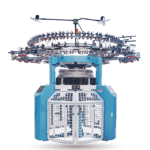 Double Jersey circular knitting machine
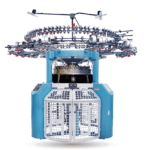 Rib tansfer electronic jacquard knitting machine
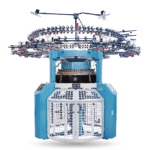 Double electronic jacquard circular knitting machine
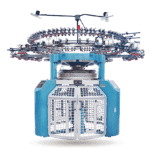 Double jersey computerized acquard circular knitting machine
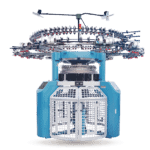 Double jersey mini jarquard knitting machine
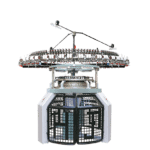 Reverse or face side terryknitting machine
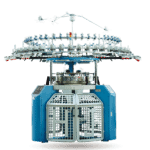 Terry electronic jacquard knitting machine(2/3ways)
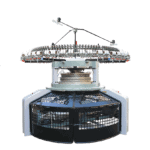 High speed open width double jersey knitting machine

 Automatic Linking intelligent socks knitting machine
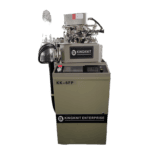 computerized plain socks knitting machine
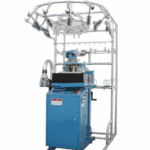 Double cylinder sock knitting machine



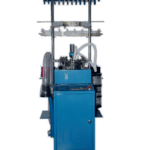 Single jaquard scarf&hat knitting machine




When customers purchase a knitting machine, they usually focus on its specifications, production capabilities, price, and delivery time. But from a manufacturer’s perspective, there is an important part of the process that customers may not always see: the work that happens before the machine leaves the factory.
A knitting machine is more than a collection of mechanical components. It is a piece of production equipment that must meet specific requirements before it can be installed and used in a customer’s factory.
From my experience in the textile machinery industry, preparing a machine for delivery involves more than completing assembly. The equipment needs to be checked against the intended configuration, its functions need to be verified, and the necessary preparations must be made for transportation and installation.
These steps help establish a better starting point for the customer’s production project.
1. Assembly Is Only the Beginning
The first important stage is assembling the machine according to its design and configuration.
Different types of textile machinery have different structures and requirements. A sock knitting machine, glove knitting machine, scarf knitting machine, or circular knitting machine may have different mechanical systems, control functions, and intended applications.
During assembly, components must be installed in the correct positions and according to the requirements of the particular machine.
The machine’s configuration also needs to match the customer’s order. Depending on the model and application, this may include the relevant mechanical components, control systems, and functional options.
For me, getting these details right is essential. A machine should be prepared for the product and application it is intended to support, rather than treated as a generic piece of equipment.
2. Mechanical and Electrical Checks Matter
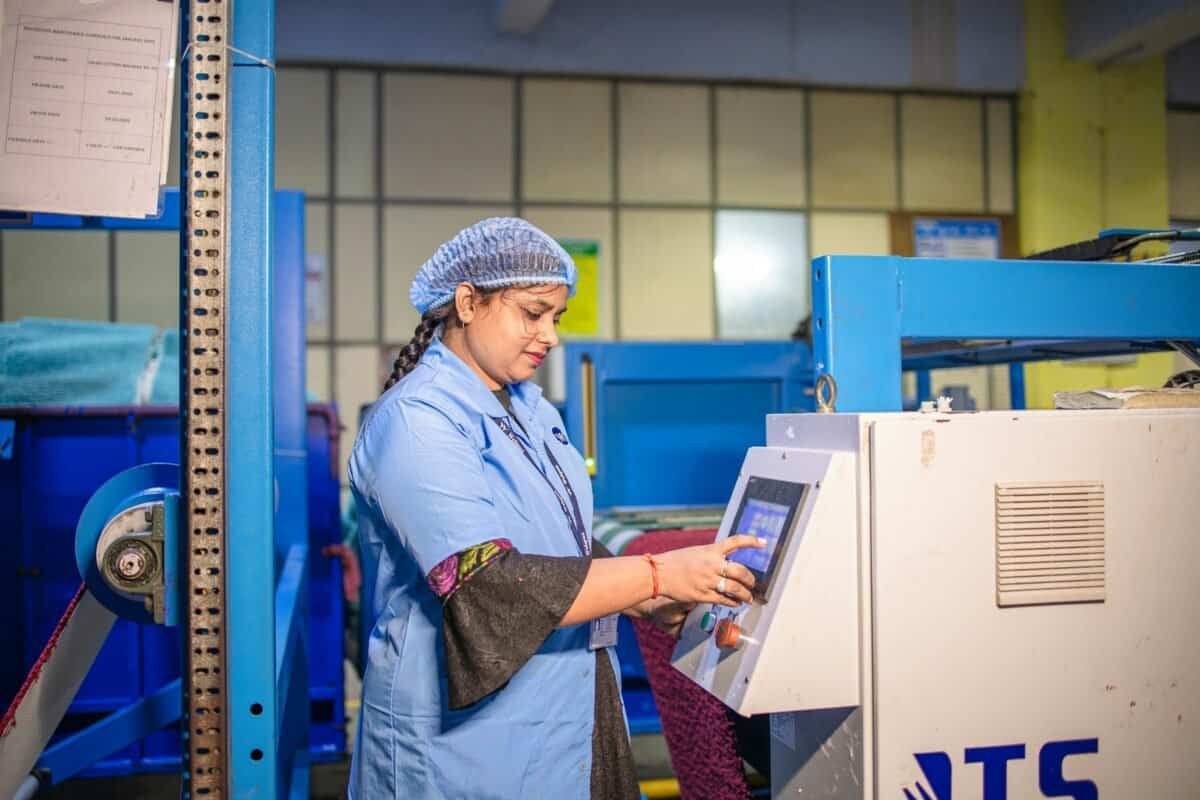
Once assembly is complete, the machine needs appropriate checks before delivery.
Mechanical inspection may involve checking component installation, moving parts, fastening points, and other areas relevant to the machine’s design.
Electrical and control-system checks are also important for equipment that uses computerized controls. The relevant connections, control functions, and operating responses should be verified according to the machine’s specifications and inspection procedure.
The exact checks vary depending on the machine model and configuration.
The objective is to identify potential issues before shipment rather than leave every check until the machine arrives at the customer’s factory.
A well-organized inspection process helps reduce avoidable problems during subsequent installation and commissioning.
3. Test Operation Helps Verify Machine Functions
A machine may look complete on the outside, but its appearance alone cannot demonstrate how it operates.
Where required by the machine design and testing procedure, test operation allows the manufacturer to check relevant functions under appropriate conditions.
For a sock knitting machine, for example, the checks may relate to the functions and configuration required for its intended sock production application. Other knitting machines require tests appropriate to their own designs and purposes.
During testing, attention should be given to abnormal behavior, operating responses, and whether the relevant functions perform as expected.
Testing does not mean every possible production condition can be reproduced in the factory. Actual results may also depend on the customer’s yarn, product specifications, operating environment, and production process.
However, appropriate pre-shipment testing provides a valuable opportunity to verify machine functions before delivery.
4. Confirm the Machine Matches the Customer’s Requirements
Not every customer needs the same machine configuration.
Some manufacturers focus on standard products, while others require specific product structures, patterns, colors, or production functions.
This is why order confirmation and machine inspection should work together.
Before shipment, the relevant configuration and agreed requirements should be reviewed to help ensure that the equipment being prepared corresponds to the customer’s order.
This is particularly important when supplying computerized knitting machines, where available functions and configurations can differ between models.
Clear communication between the customer and manufacturer helps reduce misunderstandings about what the machine is designed to do.
From a manufacturer’s perspective, this is not simply an administrative step. It is part of preparing equipment for its intended production application.
5. Accessories, Documentation, and Spare Parts Need Attention
The main machine is only one part of a machinery delivery.
Depending on the order, customers may also require accessories, tools, selected spare parts, operating instructions, or technical documentation.
These items should be checked against the agreed delivery scope.
Missing items can create unnecessary inconvenience during installation or initial operation, even when the machine itself has arrived safely.
For international buyers, clear packing lists and documentation are particularly useful because the equipment may need to travel a considerable distance before reaching the final installation site.
A complete delivery should make it easier for the customer to identify the equipment and accompanying items received.
6. Packaging Is Part of the Delivery Process
After the relevant checks are completed, the machine needs to be prepared for transportation.
Industrial equipment may encounter vibration, handling, changes in environmental conditions, and other risks during shipping. Packaging should therefore be suitable for the machine’s structure, size, and transport arrangements.
Preparation may include protecting exposed components, securing movable parts where necessary, organizing accessories, and ensuring the equipment is adequately protected for the planned shipment.
The appropriate method depends on the machine and transportation requirements.
For overseas customers, shipping preparation is particularly important because any damage or missing components can create additional delays after arrival.
Good packaging cannot eliminate every transportation risk, but careful preparation helps reduce avoidable problems.
7. Delivery Is Not the End of the Project
When a knitting machine manufacturer completes preparation and ships the equipment, an important stage of the project has been completed. However, the customer still needs to receive, install, and integrate the machine into the factory’s production process.
Depending on the machine and the agreement, this may involve installation guidance, operator training, technical communication, or commissioning support.
Customers should clarify these arrangements before purchasing, including what assistance is available, what the customer needs to prepare, and how technical questions will be handled after delivery.
For manufacturers, providing clear information about the delivery scope and next steps helps establish more realistic expectations.
For buyers, understanding the process makes it easier to prepare the workshop, personnel, materials, and other requirements before the machine arrives.
Why the Pre-Shipment Process Matters
From my point of view, preparing a knitting machine for shipment is not merely the final step of manufacturing. It is the transition between building equipment and preparing it for use in a real production environment.
Assembly, inspection, testing, configuration checks, documentation, and packaging each serve a different purpose.
Together, these activities help manufacturers verify relevant requirements and prepare the equipment for delivery.
The exact procedure will vary between a sock knitting machine, glove knitting machine, scarf knitting machine, hat knitting machine, and circular knitting machine. Each type of equipment should be evaluated according to its design, functions, and intended application.
For buyers, it is reasonable to ask suppliers what inspections are performed before shipment, what documentation is included, and what support is available after delivery.
These questions provide a clearer understanding of how the equipment is prepared and what to expect when it reaches the factory.
Conclusion
A knitting machine’s journey does not begin when it reaches the customer. The preparation starts long before shipment, with assembly, relevant inspections, functional verification, order checks, and transportation planning.
For manufacturers investing in textile machinery, understanding this process can help them evaluate suppliers and prepare for a smoother installation.
At KingKnit Machine, we provide sock knitting machines, glove knitting machines, scarf knitting machines, hat knitting machines, circular knitting machines, and other textile machinery solutions for manufacturers around the world.
We understand that supplying machinery involves more than the equipment itself. Clear communication about machine configuration, delivery preparation, and post-delivery arrangements also matters when customers are planning their production projects.
A machine leaving the factory is an important milestone. The ultimate goal is to help the customer move from equipment delivery toward successful production.