 Single jersey circular knitting machine
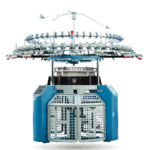 Single jersey computerized jacquard knitting machine
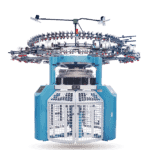 Double Jersey circular knitting machine
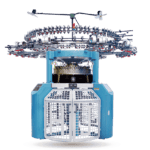 Rib tansfer electronic jacquard knitting machine
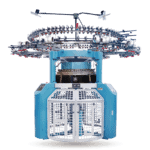 Double electronic jacquard circular knitting machine
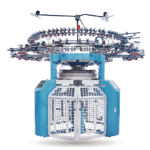 Double jersey computerized acquard circular knitting machine
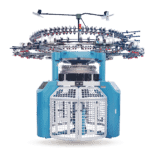 Double jersey mini jarquard knitting machine
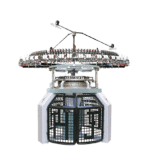 Reverse or face side terryknitting machine
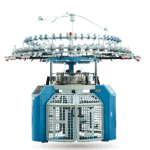 Terry electronic jacquard knitting machine(2/3ways)
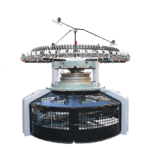 High speed open width double jersey knitting machine

 Automatic Linking intelligent socks knitting machine
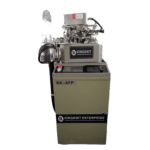 computerized plain socks knitting machine
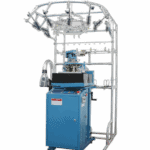 Double cylinder sock knitting machine



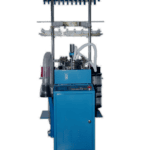 Single jaquard scarf&hat knitting machine


In the world of engineering, creating a prototype is often seen as a major milestone.
A prototype proves that an idea can become reality. It allows engineers to test concepts, verify technical solutions, and identify potential improvements before moving into large-scale manufacturing.
However, in industrial equipment manufacturing, especially textile machinery, a successful prototype is only the beginning.
The real challenge is transforming that prototype into a reliable production machine that can operate consistently in real factory environments.
A machine that works in testing is not always a machine that is ready for production.
A Prototype Proves Possibility, Not Long-Term Performance
The primary purpose of a prototype is to answer one important question:
Can this design work?
During the prototype stage, engineers focus on validating key functions, testing mechanical structures, and confirming whether the original concept meets technical expectations.
The environment is usually controlled. Testing conditions are carefully arranged, and engineers can focus on solving specific technical challenges.
But production environments are different.
Factories operate continuously. Machines face changing materials, different operating habits, temperature variations, dust, vibration, and thousands of hours of repetitive movement.
A prototype may demonstrate technical feasibility, but a production machine must prove reliability.
Real Production Reveals Different Challenges
The transition from prototype to production often reveals problems that cannot always be discovered during initial testing.
A component may perform well during short operation but require improvement after extended use.
A design may achieve excellent performance but need modification to make maintenance easier.
A system may function correctly under ideal conditions but require greater adaptability when facing different production requirements.
These challenges are normal parts of engineering development.
The goal is not only to make a machine work once, but to ensure it continues working consistently under real-world conditions.
Reliability Requires More Than Technical Performance
A production machine must meet many requirements beyond basic functionality.
For example:
Long-Term Operation
Textile machinery is expected to operate for long production cycles. Components must maintain performance under continuous movement, friction, and mechanical stress.
Ease of Maintenance
Even high-quality machines require regular maintenance. A well-designed machine should allow technicians to inspect, adjust, and replace components efficiently.
Adaptability
Factories produce different products, use different materials, and operate under different conditions. Production machines need enough flexibility to handle these variations.
Operator Experience
A machine is ultimately operated by people. Practical design should consider not only engineering performance but also how easily operators can understand and manage the equipment.
The Importance of Real Factory Feedback
One of the biggest differences between prototypes and production machines is feedback.
Laboratory testing provides valuable technical information, but real factories provide insights that cannot be fully simulated.
Operators notice details engineers may not initially consider.
Technicians discover maintenance challenges.
Production teams provide feedback about efficiency, usability, and long-term performance.
This continuous feedback loop is what helps transform an engineering concept into a mature industrial product.
Engineering Is a Continuous Improvement Process
A common misunderstanding is that machine development ends once the first production model is completed.
In reality, good industrial equipment continues to evolve.
Every production cycle provides new information. Every customer application reveals new requirements. Every improvement contributes to building a more reliable machine.
The best machines are not created through one perfect design process. They are developed through continuous learning and refinement.
Prototype vs Production Machine: The Real Difference
The difference between a prototype and a production machine can be summarized simply:
A prototype proves that something can be built.
A production machine proves that something can be trusted.
For textile manufacturers, trust is one of the most important factors when investing in equipment. A machine must not only deliver performance on the first day, but also continue supporting production years later.
How King Knit Turns Engineering Ideas Into Production Solutions
At King Knit, we understand that building textile machinery is not only about designing a machine that works.
It is about creating equipment that performs reliably in real manufacturing environments.
Through years of experience in textile machinery design, production, and technical support, we continue improving our machines based on practical factory requirements and customer feedback.
Our goal is to bridge the gap between engineering concepts and real production needs — developing textile machinery that helps manufacturers achieve stable, efficient, and long-term operation.
Learn more: