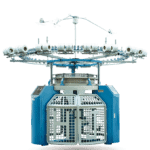
 Single jersey circular knitting machine
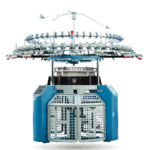 Single jersey computerized jacquard knitting machine
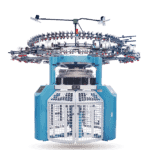 Double Jersey circular knitting machine
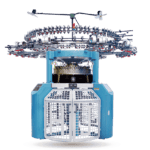 Rib tansfer electronic jacquard knitting machine
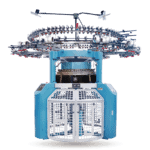 Double electronic jacquard circular knitting machine
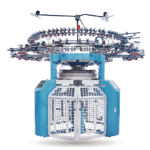 Double jersey computerized acquard circular knitting machine
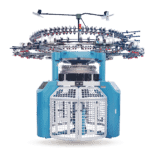 Double jersey mini jarquard knitting machine
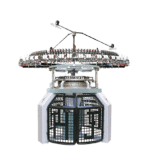 Reverse or face side terryknitting machine
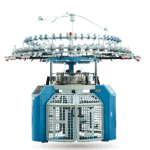 Terry electronic jacquard knitting machine(2/3ways)
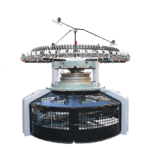 High speed open width double jersey knitting machine

 Automatic Linking intelligent socks knitting machine
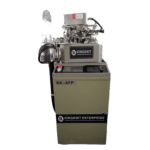 computerized plain socks knitting machine
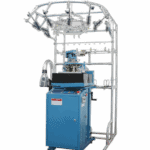 Double cylinder sock knitting machine
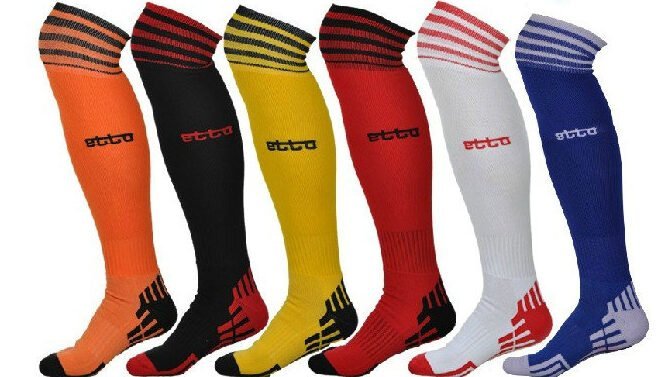

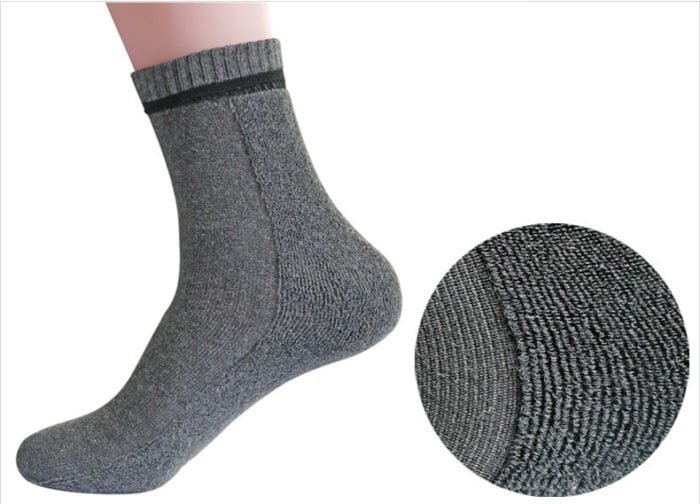
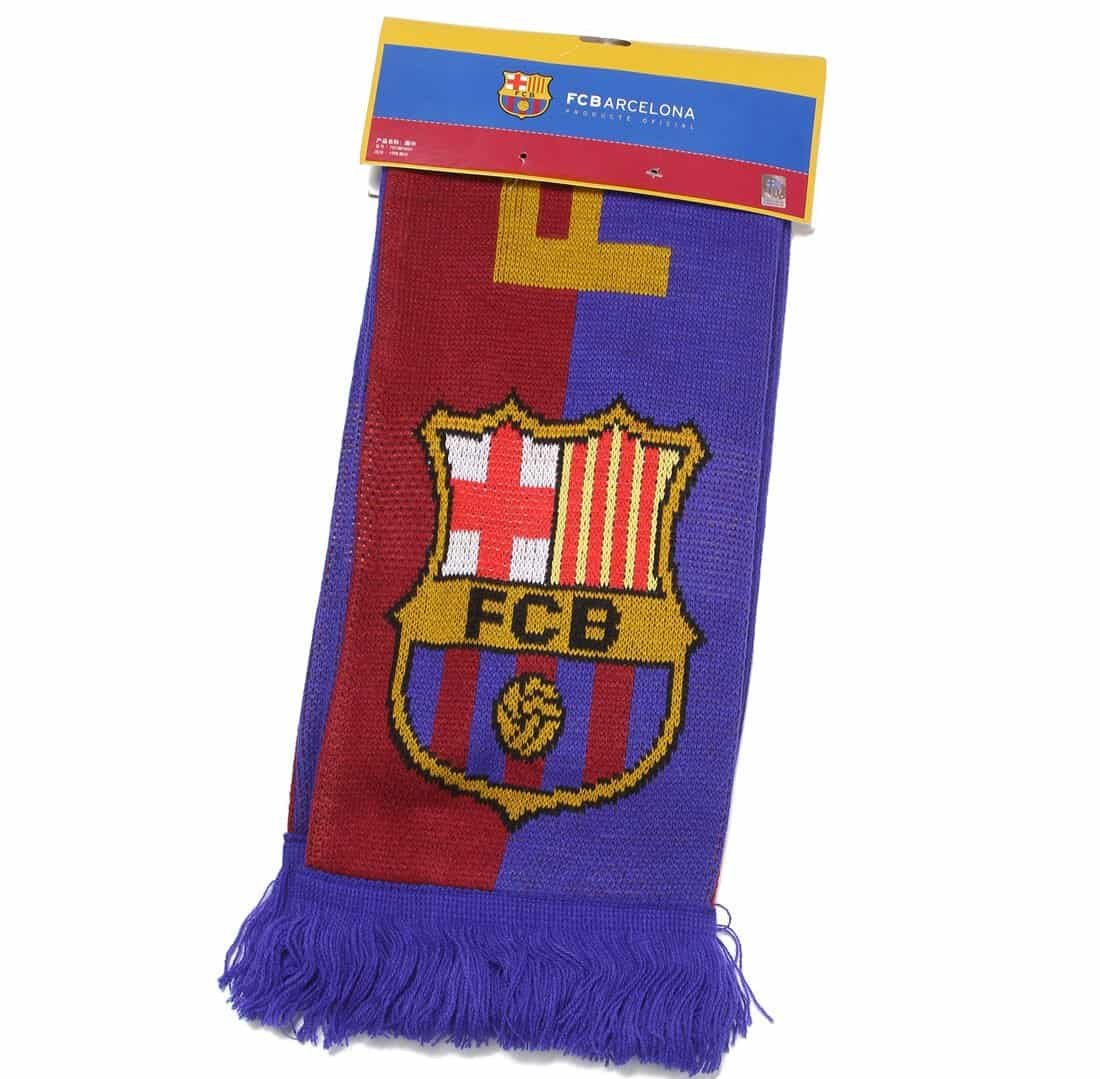
 Single jaquard scarf&hat knitting machine


In textile manufacturing, producing a high-quality product is only part of the process. Making sure that every product meets the required standard before it leaves the factory is equally important.
For manufacturers producing socks, gloves, and other knitted products, effective quality control can reduce waste, prevent customer complaints, and protect long-term business relationships.
Quality Control Starts During Production
Quality control should not begin only when the finished products are ready for shipment.
With modern textile machinery, manufacturers can monitor production performance and identify potential quality issues earlier in the process.
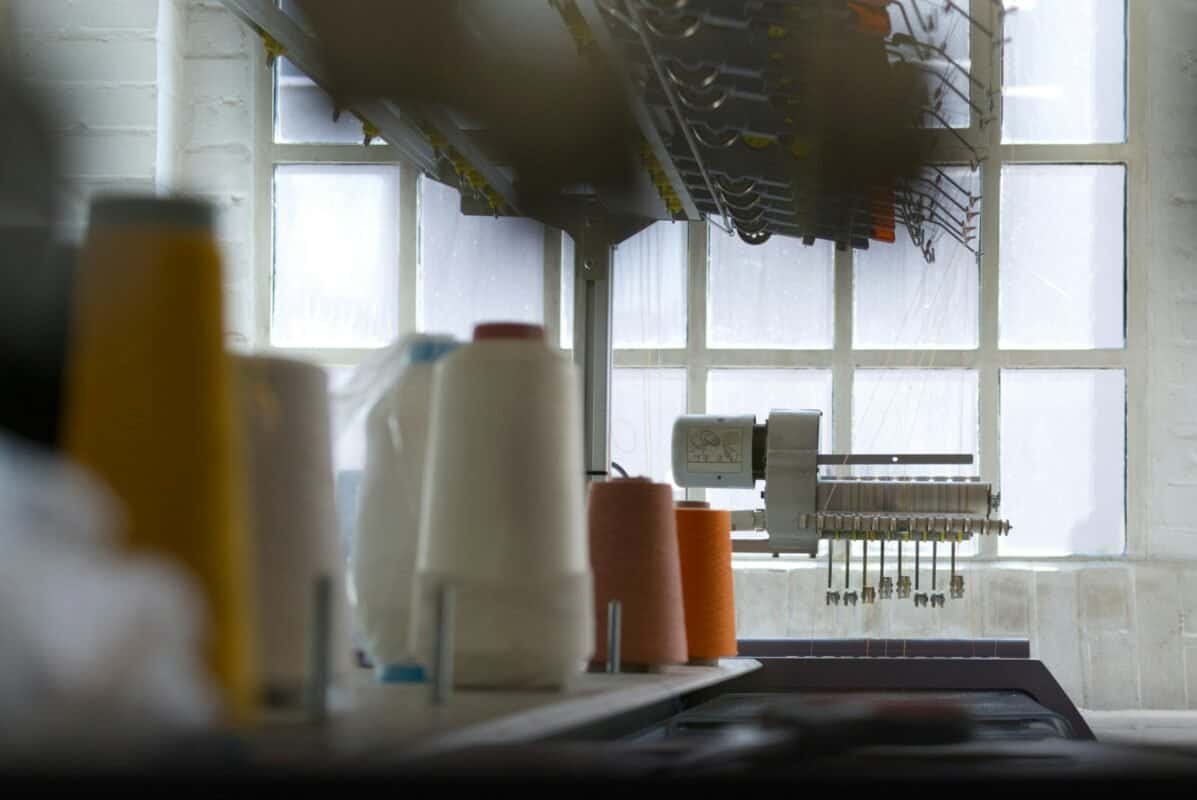
For example, when operating a sock knitting machine or glove knitting machine, factors such as yarn tension, machine settings, needle condition, and production speed can all affect the final product.
Detecting problems early is much more efficient than discovering hundreds of defective products at the end of a production run.
Why Final Inspection Still Matters
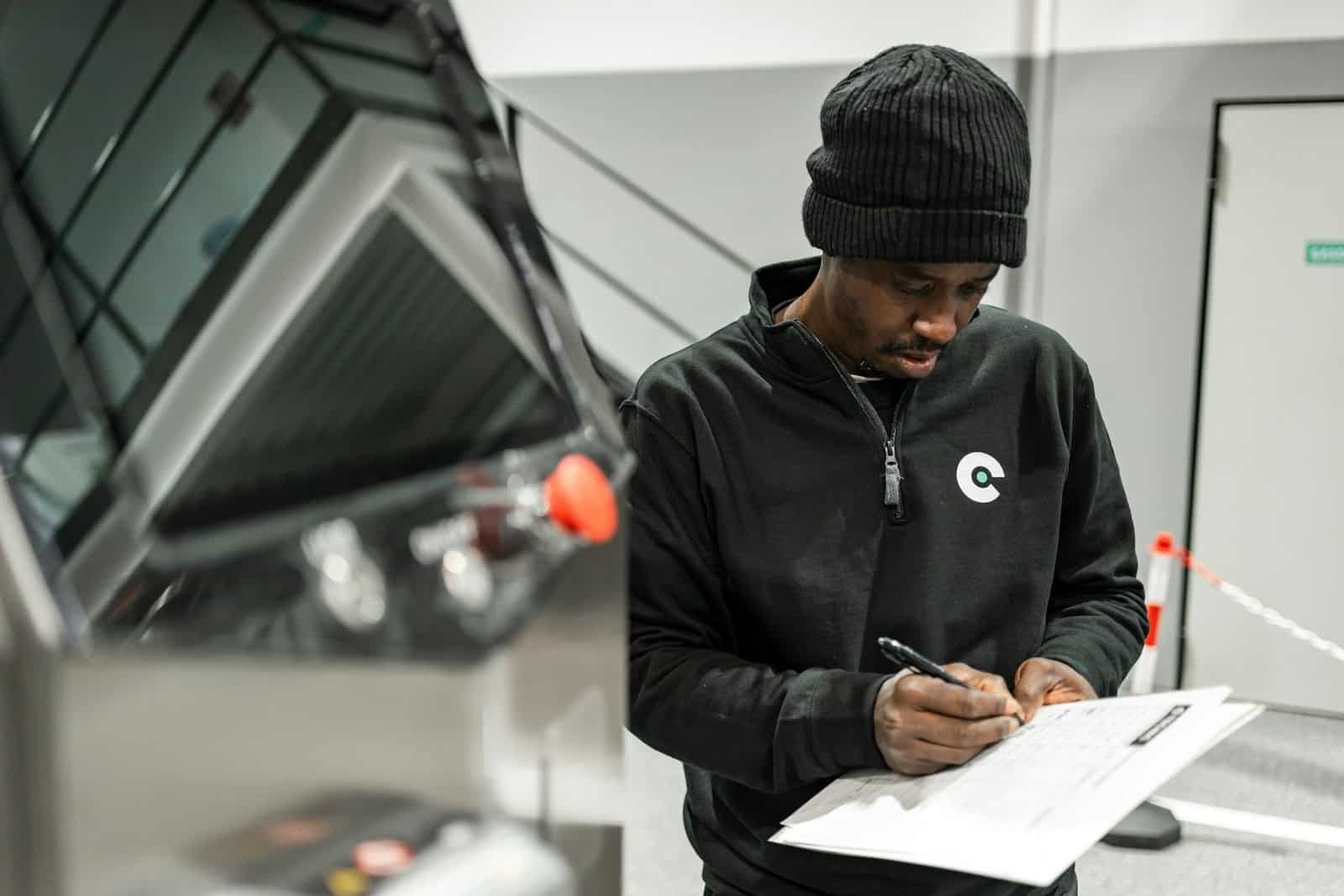
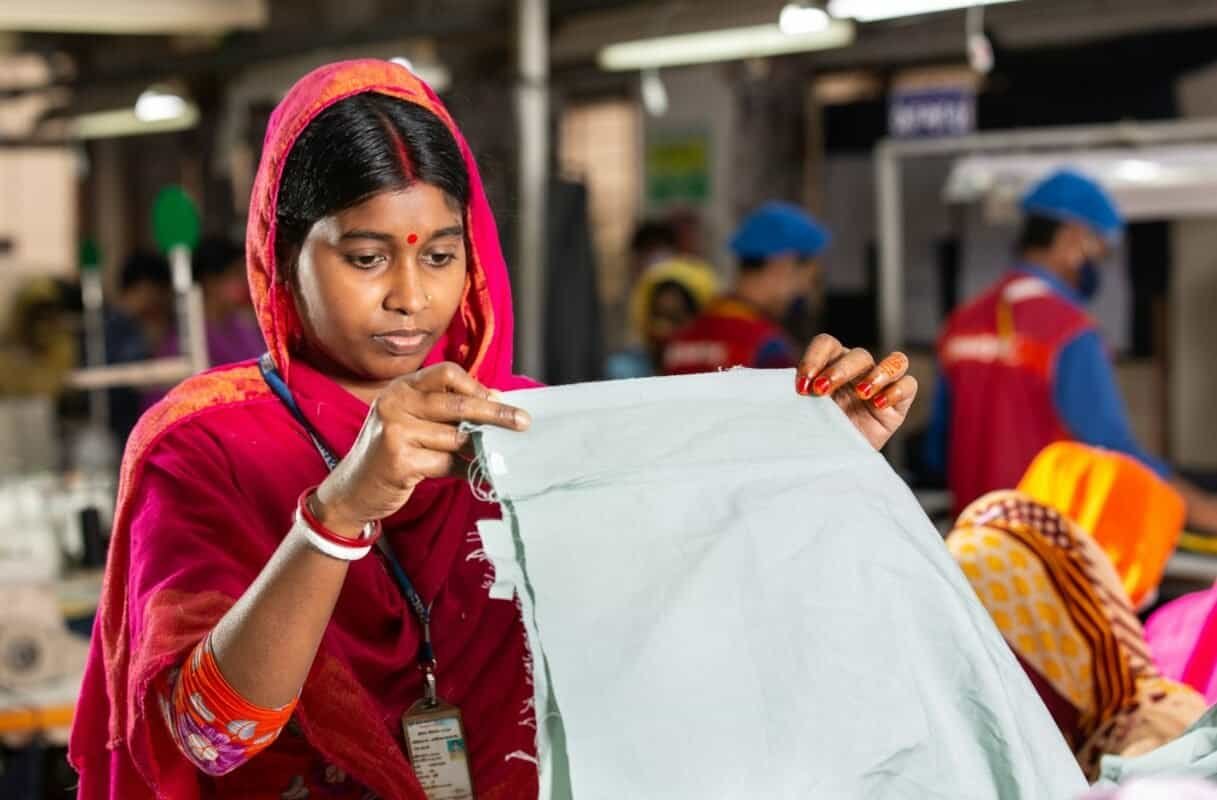
Even with a well-controlled production process, final inspection remains an important step.
Before products leave the factory, quality teams can check:
- Product dimensions and specifications
- Knitting consistency
- Color and appearance
- Stitch quality
- Loose threads or defects
- Packaging and labeling
A final inspection provides one more opportunity to identify problems before products reach the customer.
Reducing Rework and Production Waste
Poor quality control can create significant hidden costs.
When defects are discovered late, manufacturers may need to rework products, replace materials, delay shipments, or even deal with customer returns.
These costs go beyond the value of the defective product. They can also involve additional labor, machine time, transportation, and lost production capacity.
A strong quality control process helps factories identify problems earlier and reduce unnecessary waste.

Machine Quality and Quality Control Work Together
Quality inspection alone cannot compensate for unstable production equipment.
Reliable knitting machines help manufacturers maintain consistent production conditions, while experienced operators and effective quality control processes ensure that problems are detected and corrected quickly.
This is why equipment selection, operator training, machine maintenance, and quality management should be considered as one complete production system.
Building Customer Trust Through Consistency
Customers don’t simply expect individual products to be good. They expect every shipment to meet the same standard.
Consistent quality helps manufacturers build trust, reduce complaints, and develop long-term relationships with buyers.
For textile factories, quality control is therefore not just a production responsibility. It is also part of the company’s reputation.
Conclusion
Quality control should be integrated throughout the manufacturing process, from machine setup and raw material preparation to production monitoring and final inspection.
By combining reliable textile machinery, trained operators, standardized procedures, and effective quality inspection, manufacturers can reduce defects and deliver more consistent products.
At KingKnit Machine, we provide reliable sock knitting machines, glove knitting machines, circular knitting machines, and complete textile machinery solutions designed to support efficient and consistent textile production.
Quality is not something that should be checked only at the end. It should be built into the entire production process.