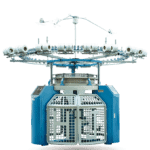
 Single jersey circular knitting machine
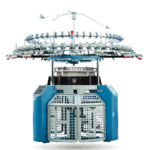 Single jersey computerized jacquard knitting machine
 Double Jersey circular knitting machine
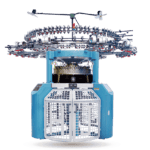 Rib tansfer electronic jacquard knitting machine
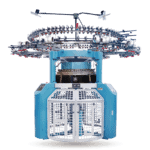 Double electronic jacquard circular knitting machine
 Double jersey computerized acquard circular knitting machine
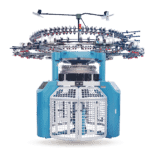 Double jersey mini jarquard knitting machine
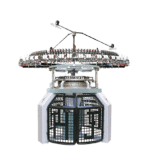 Reverse or face side terryknitting machine
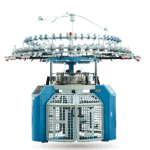 Terry electronic jacquard knitting machine(2/3ways)
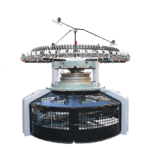 High speed open width double jersey knitting machine

 Automatic Linking intelligent socks knitting machine
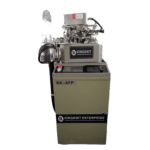 computerized plain socks knitting machine
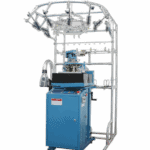 Double cylinder sock knitting machine
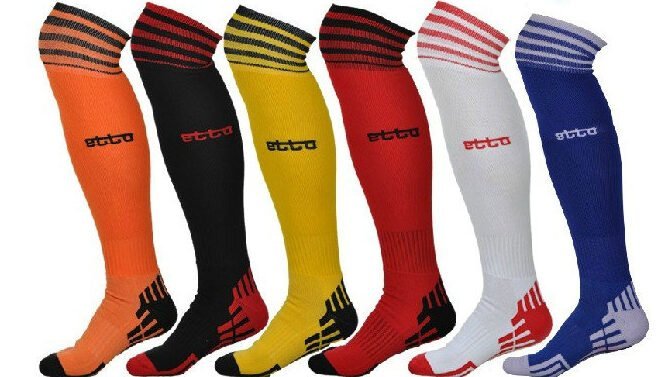

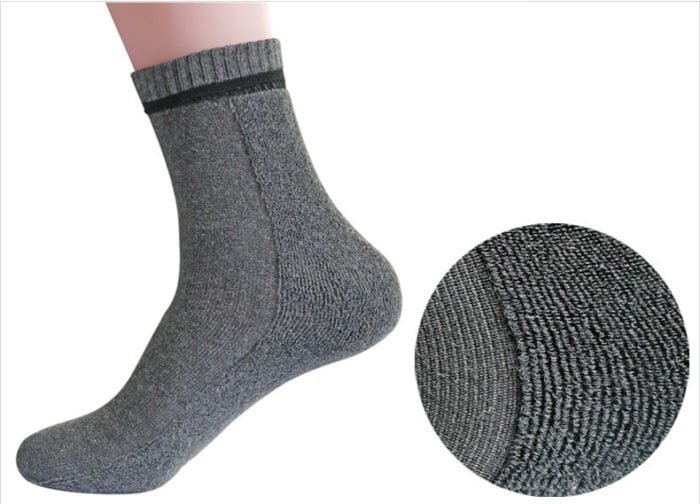
 Single jaquard scarf&hat knitting machine

In the modern textile industry, maintaining high production efficiency is essential for staying competitive. Whether a factory operates sock knitting machines, glove knitting machines, or circular knitting machines, unexpected equipment downtime can significantly impact productivity, delivery schedules, and operating costs.
As textile manufacturers continue to invest in automation and smart production technologies, predictive maintenance has become an increasingly important strategy for improving machine reliability and overall factory performance.
What Is Predictive Maintenance in Textile Machinery?
Predictive maintenance is a proactive maintenance approach that uses machine condition monitoring and performance data to identify potential issues before equipment failures occur.
Unlike reactive maintenance, which responds to breakdowns after they happen, predictive maintenance helps manufacturers monitor the health of their textile machinery and schedule maintenance activities only when necessary.
For factories operating high-speed knitting machines, this approach can reduce costly interruptions and improve long-term operational efficiency.
Benefits of Predictive Maintenance for Textile Factories
1. Reduced Machine Downtime
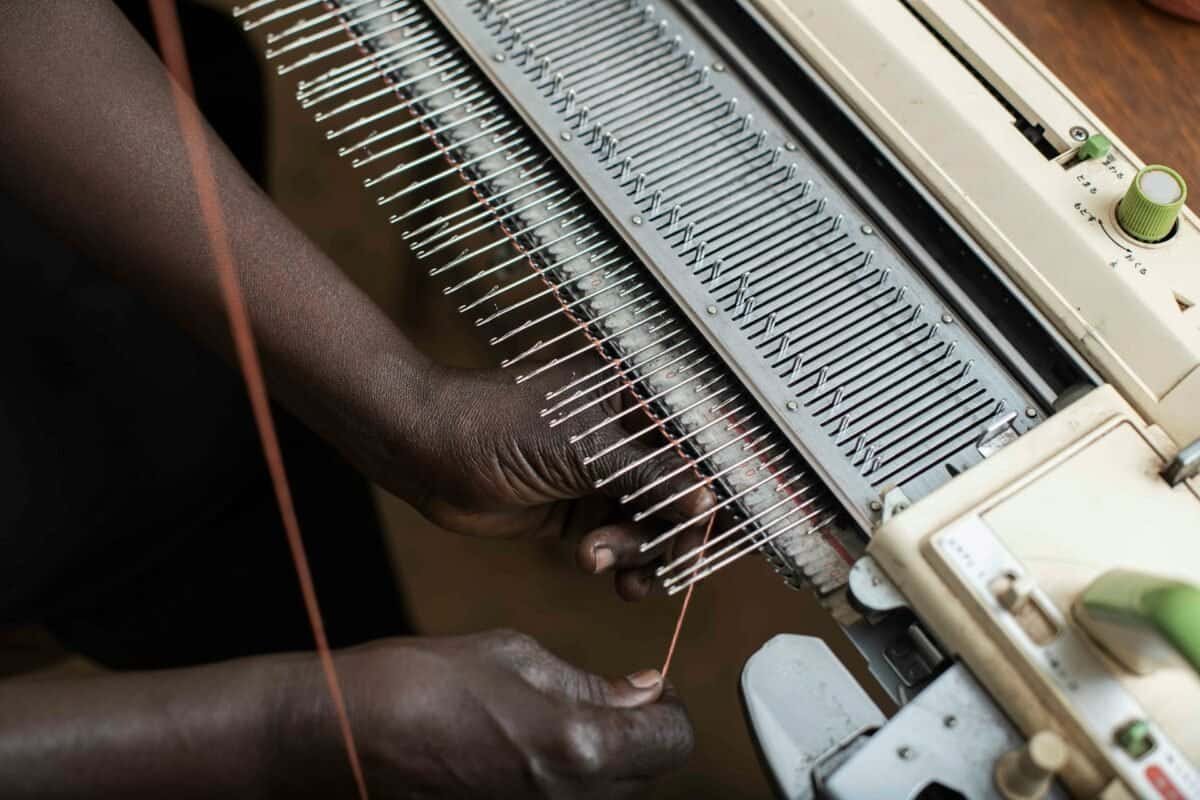
Unexpected failures in a sock knitting machine, glove knitting machine, or circular knitting machine can stop production and create delays throughout the manufacturing process.
Predictive maintenance helps identify warning signs early, allowing maintenance teams to take action before production is affected.
2. Lower Maintenance Costs
Traditional maintenance schedules may lead to replacing parts that still have useful service life. By monitoring equipment conditions in real time, manufacturers can optimize maintenance schedules and reduce unnecessary expenses.
3. Improved Production Efficiency
Reliable textile machines operate more consistently, helping factories maintain stable output and product quality. Fewer interruptions mean better production planning and improved customer satisfaction.
4. Longer Equipment Lifespan
Early detection of wear and mechanical issues helps prevent major failures and protects critical machine components. This can significantly extend the lifespan of textile manufacturing equipment.
Smart Textile Machinery Supports Predictive Maintenance
The latest generation of textile machinery increasingly incorporates intelligent control systems, sensors, and digital monitoring functions. These technologies provide valuable insights into machine performance and support more accurate maintenance planning.
For manufacturers seeking to improve factory efficiency, investing in advanced knitting machinery is no longer only about increasing production capacity—it is also about improving reliability and reducing operational risks.
As Industry 4.0 continues to transform manufacturing, predictive maintenance is becoming a standard practice for modern textile factories worldwide.
The Future of Textile Manufacturing
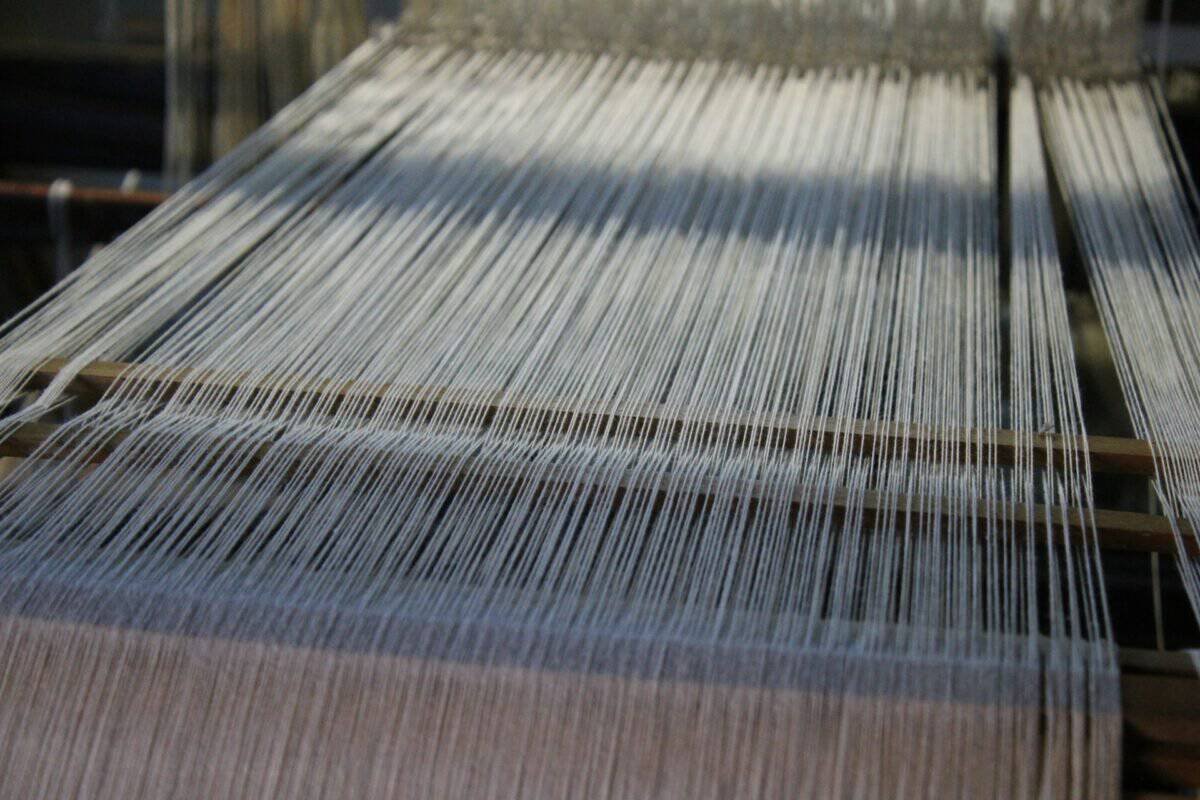
The textile industry is moving toward smarter, more data-driven production environments. Manufacturers that effectively manage their sock knitting machines, glove knitting machines, and circular knitting machines can achieve greater efficiency, lower operating costs, and more sustainable growth.
At KingKnit Machine, we provide reliable and innovative textile machinery solutions designed to help manufacturers improve productivity and maintain stable production performance. From advanced sock knitting machines and glove knitting machines to high-performance circular knitting machines, we are committed to supporting the evolving needs of textile manufacturers around the world.
Learn More
🌐 https://kingknitfactory.com
📩 client@kingknit.com