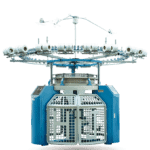
 Single jersey circular knitting machine
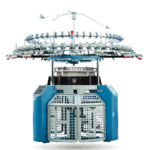 Single jersey computerized jacquard knitting machine
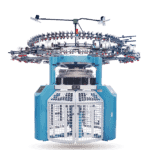 Double Jersey circular knitting machine
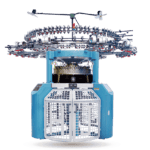 Rib tansfer electronic jacquard knitting machine
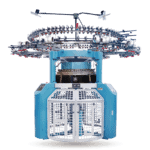 Double electronic jacquard circular knitting machine
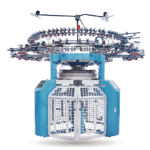 Double jersey computerized acquard circular knitting machine
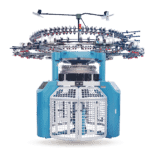 Double jersey mini jarquard knitting machine
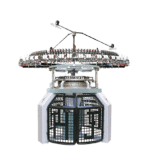 Reverse or face side terryknitting machine
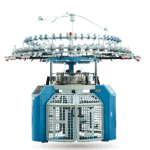 Terry electronic jacquard knitting machine(2/3ways)
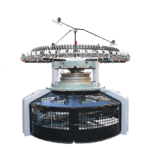 High speed open width double jersey knitting machine

 Automatic Linking intelligent socks knitting machine
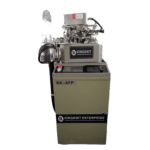 computerized plain socks knitting machine
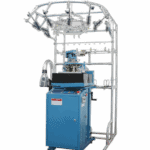 Double cylinder sock knitting machine
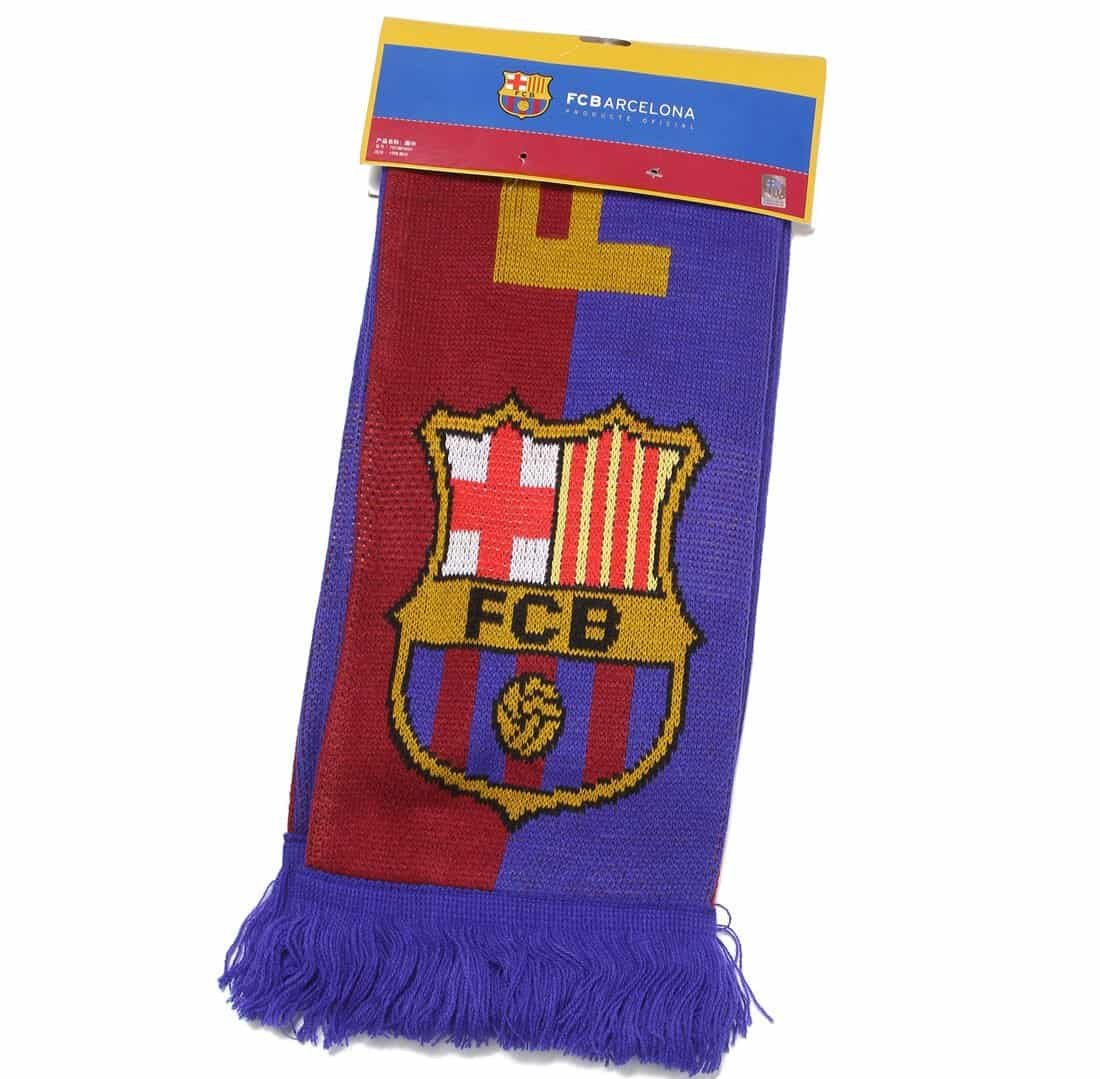
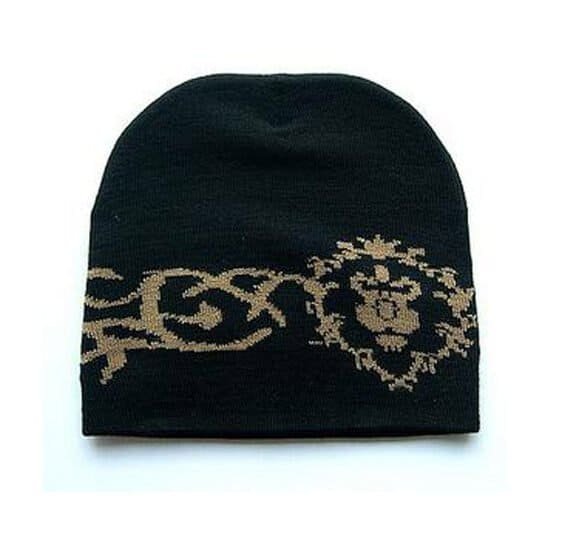
 Single jaquard scarf&hat knitting machine

Choosing the right knitting machine is one of the most important decisions in textile manufacturing. However, selecting equipment should not start with machine speed or price alone. It should start with the product the factory intends to manufacture.
Socks, scarves, hats, gloves, and other knitted products have different structures, dimensions, patterns, and production requirements. A machine that works well for one product may not be the most efficient choice for another.
From a manufacturing perspective, matching knitting technology to the final product helps factories improve production efficiency, control costs, and achieve more consistent quality.
1. Start With the Product Structure
Before investing in textile machinery, manufacturers should clearly define the products they plan to produce.
Important considerations include:
- Product dimensions and construction
- Required stitch structures and patterns
- Yarn types and material characteristics
- Color combinations and design complexity
- Expected production volume
- Quality and finishing requirements
These factors determine which knitting technology and machine configuration are appropriate.
For example, producing standard socks involves different machine requirements from manufacturing knitted scarves or shaped knitted panels. Understanding these differences helps buyers avoid investing in equipment that does not match their actual production needs.
2. Choose the Right Technology for Sock Production
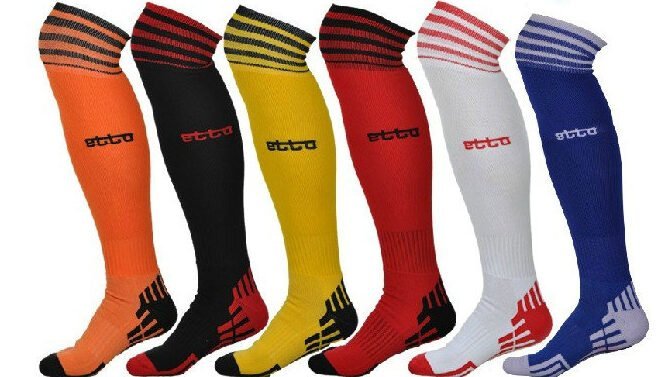
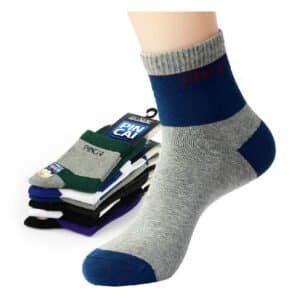
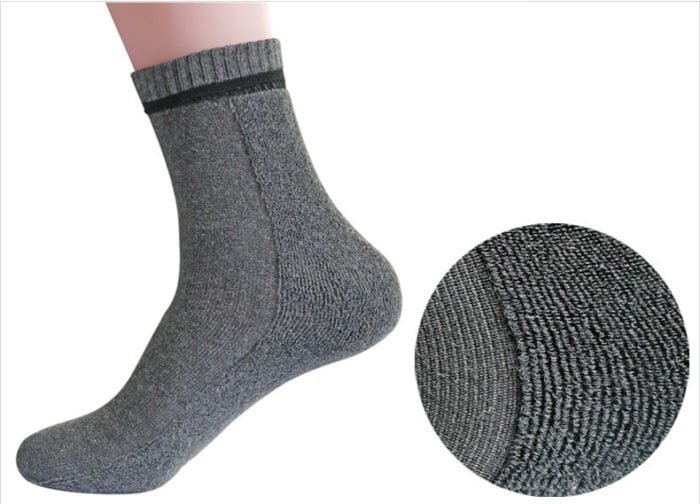
Sock manufacturing requires specialized equipment capable of producing the required sock structure, size, and design.
A sock knitting machine may need to support different features depending on the intended product, such as various colors, elastic sections, heel and toe construction, or athletic sock designs.
Manufacturers should consider the types of socks they intend to produce, including dress socks, sports socks, work socks, and other specialized products.
The machine’s capabilities should match the target product range rather than simply offering the highest possible speed.
For factories producing multiple sock styles, computerized controls and suitable programming functions can also help manage design changes more efficiently.
3. Match the Machine to Scarf Production
Scarves offer considerable variation in fabric structure, texture, dimensions, and decorative patterns.
Depending on the product design, a scarf knitting machine may use flat knitting technology or another suitable knitting configuration. The correct choice depends on the required construction and finished appearance.
For example, a manufacturer producing scarves with complex patterns may prioritize pattern flexibility and precise stitch control. A factory focused on standardized products may place greater emphasis on production efficiency and repeatability.
Before selecting a machine, buyers should confirm whether it can produce the required scarf width, pattern structure, yarn type, and finishing specifications.
Understanding the final product helps manufacturers choose equipment that meets both quality expectations and production targets.
4. Consider the Requirements of Hat Manufacturing
Knitted hats can vary significantly in shape, thickness, elasticity, structure, and decorative design.
A hat knitting machine should therefore be selected according to the intended construction and product range.
Manufacturers producing basic knitted hats may have different requirements from those producing patterned hats, fitted styles, or products made with specific yarn combinations.
Factors to evaluate include the required dimensions, stitch structure, pattern options, material compatibility, and finishing process.
It is also important to understand which operations the knitting machine performs and which steps may require separate equipment or additional processing.
A clear understanding of the production process helps factories plan equipment more accurately and avoid unexpected requirements after installation.
5. Understand Where Circular Knitting Technology Fits
Circular knitting machines are widely used to produce knitted fabrics and certain tubular or seamless product constructions, depending on the machine design and configuration.
They are particularly relevant when manufacturers require continuous fabric production or specific knitted structures suitable for their target applications.
However, not every circular knitting machine can produce every type of knitted product. Machine diameter, gauge, needle arrangement, feeding system, and control functions can all influence its applications.
Before making a purchase, manufacturers should confirm that the selected circular knitting machine is suitable for their intended fabric structure, yarn specifications, and production requirements.
The goal is to match the machine’s technical capabilities with the actual product—not to assume that one machine configuration can cover every application.
6. Evaluate More Than Machine Speed
Once the product and knitting technology have been identified, manufacturers can evaluate the machine’s performance.
Production speed is important, but it should be considered alongside other factors, including:
Product quality: Can the machine consistently achieve the required dimensions, patterns, and stitch characteristics?
Material compatibility: Can it work with the yarns specified for the product?
Operating requirements: How much operator training and manual adjustment are needed?
Maintenance: Are routine maintenance procedures practical, and are replacement parts available?
Production flexibility: Can the machine accommodate the product variations that the factory expects to manufacture?
Total operating cost: How will labor, energy, material waste, maintenance, and downtime affect long-term production costs?
Evaluating these factors together gives manufacturers a more realistic basis for comparing textile machinery.
7. Plan for Future Product Development
Product requirements can change as manufacturers enter new markets or respond to customer demand.
A factory may initially focus on one standard product before introducing additional sizes, colors, patterns, or related product categories.
When selecting a computerized knitting machine or other specialized knitting equipment, buyers should understand which functions can be adjusted through programming and which changes require different machine configurations or additional equipment.
Planning for realistic future needs can help manufacturers make a more effective investment without paying for capabilities they will never use.
The objective is to choose machinery that suits the current business while leaving room for practical development.
Conclusion
Selecting the right knitting technology starts with understanding the final product. Socks, scarves, hats, and other knitted items place different demands on machine structure, pattern capabilities, material compatibility, and production processes.
By evaluating product requirements before comparing machine specifications, manufacturers can make better decisions about equipment selection, production planning, and long-term operating costs.
At KingKnit Machine, we provide sock knitting machines, glove knitting machines, scarf knitting machines, hat knitting machines, circular knitting machines, and other textile machinery solutions for manufacturers around the world.
We believe that successful equipment selection begins with understanding what the customer needs to produce and then identifying the appropriate machinery for that application.
The right machine is not necessarily the one with the most features. It is the one whose capabilities match the product, production process, and business objectives.