 Single jersey circular knitting machine
 Single jersey computerized jacquard knitting machine
 Double Jersey circular knitting machine
 Rib tansfer electronic jacquard knitting machine
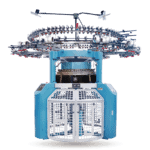 Double electronic jacquard circular knitting machine
 Double jersey computerized acquard circular knitting machine
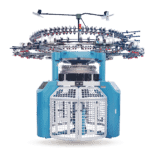 Double jersey mini jarquard knitting machine
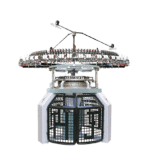 Reverse or face side terryknitting machine
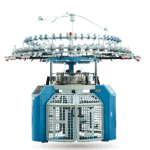 Terry electronic jacquard knitting machine(2/3ways)
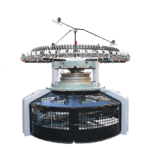 High speed open width double jersey knitting machine

 Automatic Linking intelligent socks knitting machine
 computerized plain socks knitting machine
 Double cylinder sock knitting machine
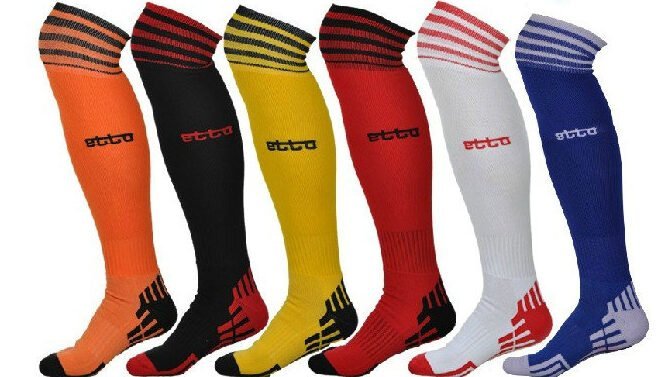

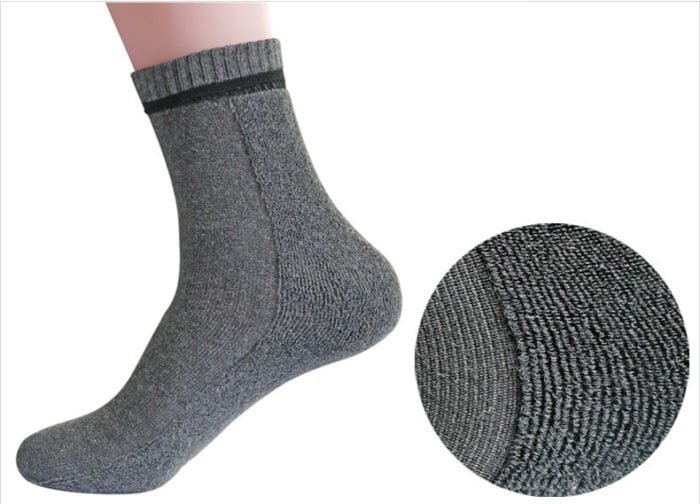
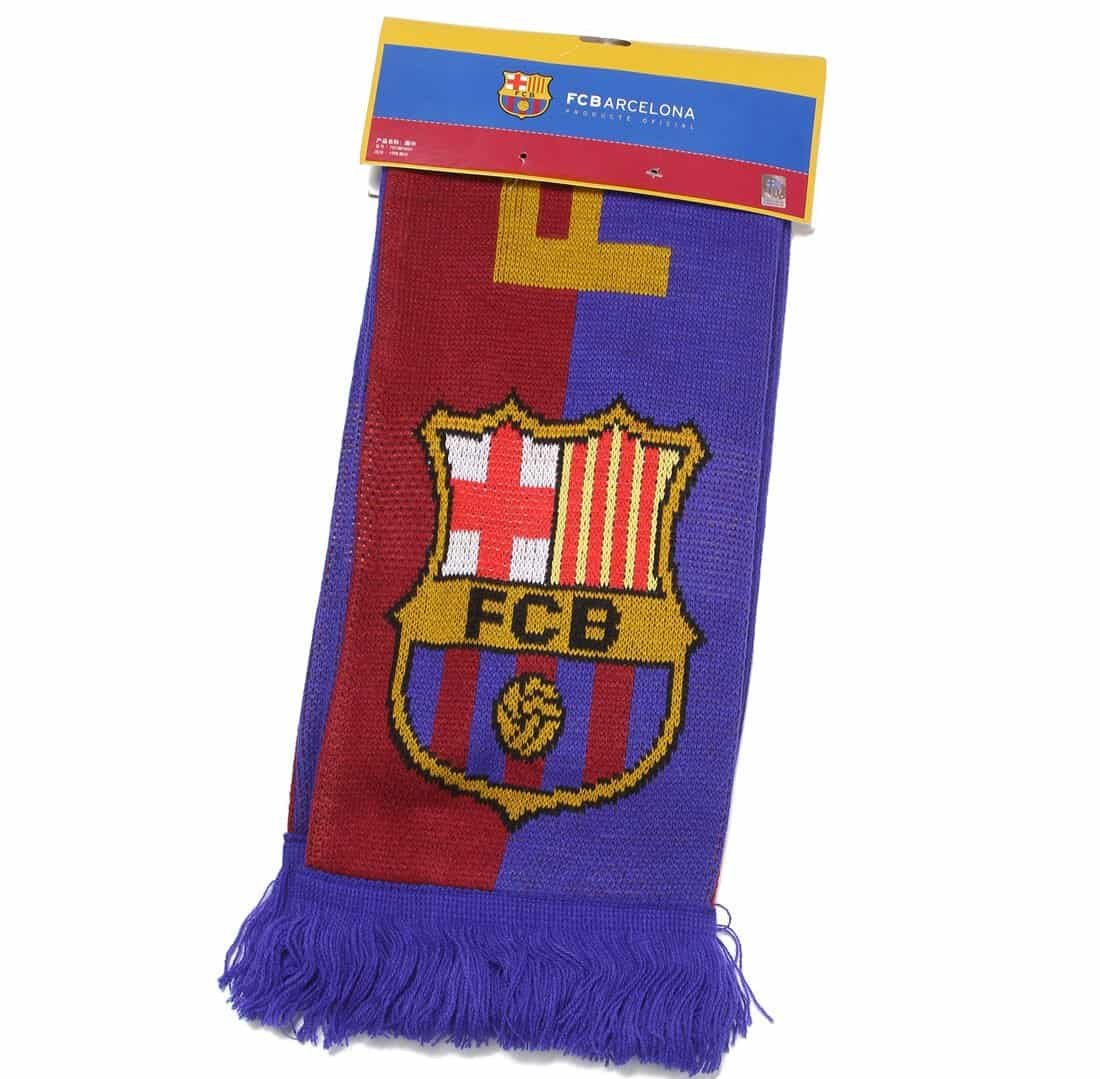
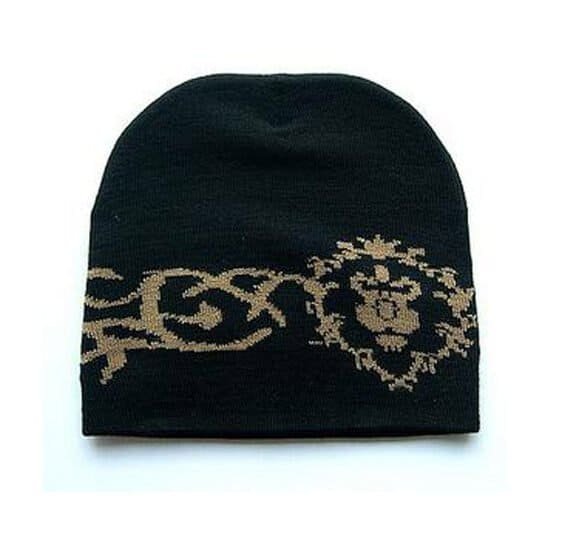
 Single jaquard scarf&hat knitting machine

In textile manufacturing, material cost is one of the first numbers factory owners look at when calculating production expenses.
It is natural to think that lower-cost yarn can help reduce manufacturing costs. But in real production, the cheapest material is not always the most economical choice.
From my experience in the textile machinery industry, the real cost of a material depends not only on its purchase price, but also on how it performs on the machine.
A yarn that costs less per kilogram can sometimes create more machine downtime, material waste, defects, and rework. Once these hidden costs are included, the final production cost may be much higher.
Lower Yarn Price Does Not Always Mean Lower Cost
Suppose two types of yarn have different purchasing prices.
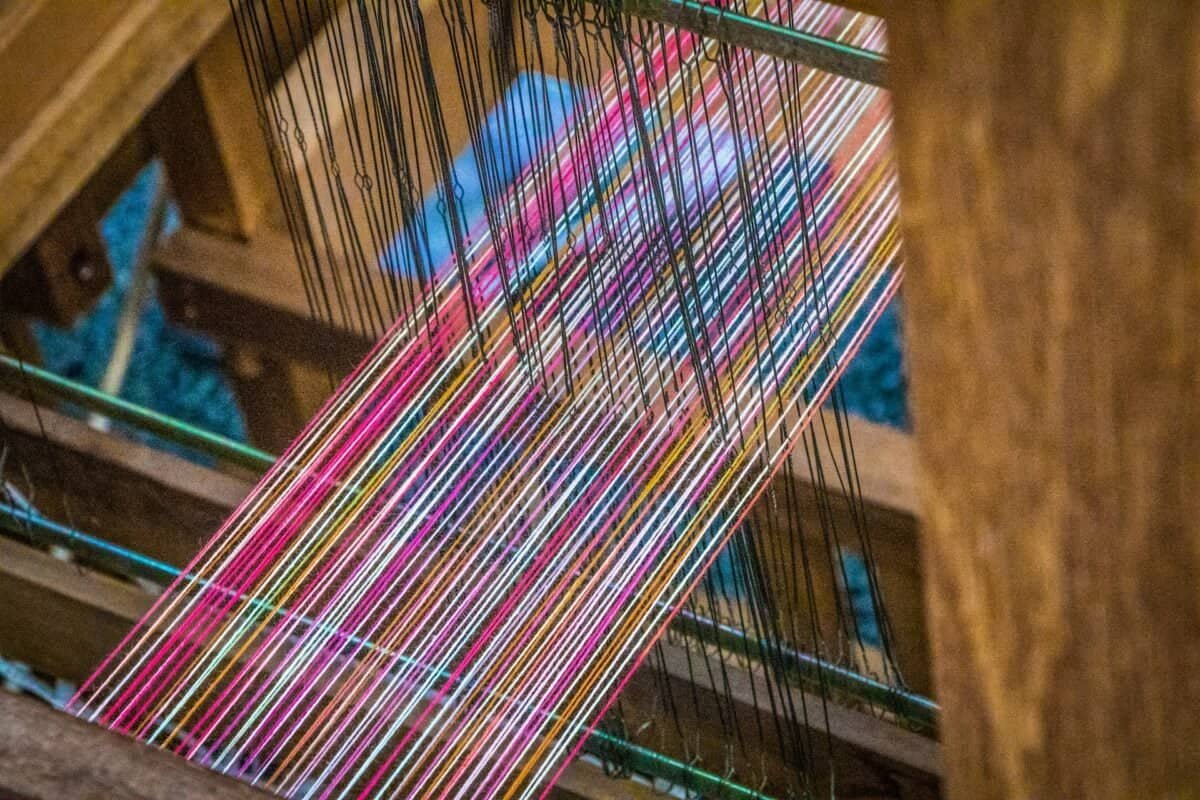
The cheaper yarn may look attractive during procurement. But if it breaks more frequently during production, operators may need to stop the machine and reconnect the yarn repeatedly.
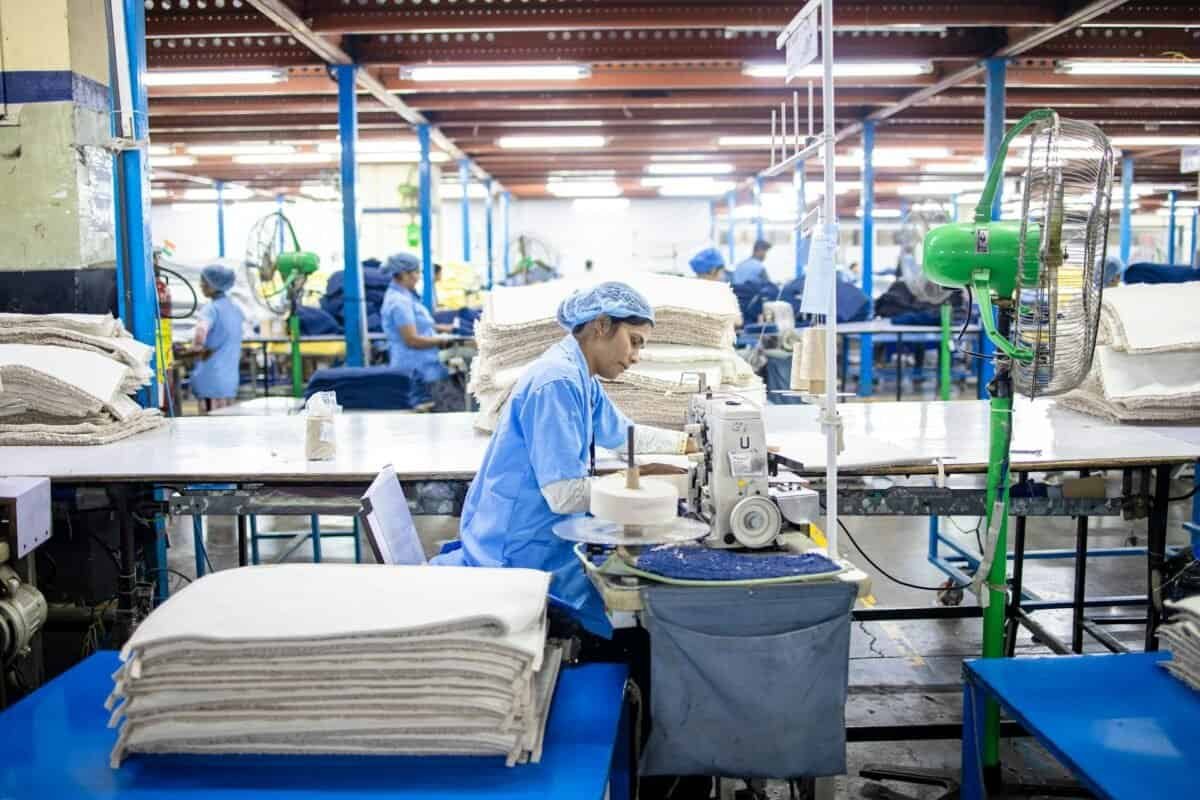
For a factory running multiple sock knitting machines, scarf knitting machines, hat knitting machines, or circular knitting machines, even a small increase in interruptions can become a significant production loss.
The factory is not only paying for the yarn.
It is also paying for:
- Machine downtime
- Additional labor
- Material waste
- Defective products
- Rework
- Delayed production
This is why material price should always be evaluated together with production performance.
Yarn Quality Affects Machine Performance
The relationship between yarn and knitting machinery is often underestimated.
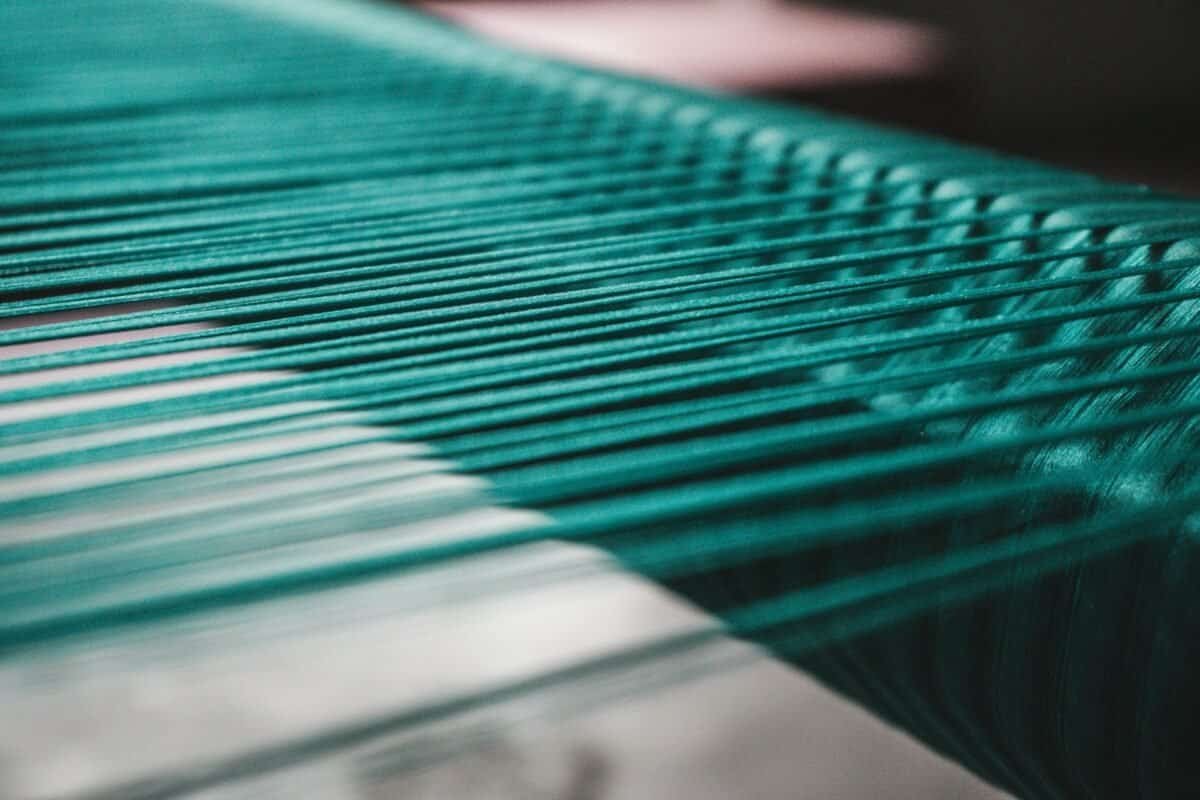
Factors such as yarn strength, consistency, thickness, elasticity, moisture, and surface characteristics can influence how smoothly the material runs through the machine.
Poor-quality or inconsistent yarn may contribute to:
- Frequent yarn breaks
- Uneven stitches
- Inconsistent fabric density
- Machine adjustments
- Higher defect rates
On high-speed knitting machines, these problems can become even more noticeable because the equipment operates continuously at higher production speeds.
Material and Machine Compatibility Matters
Different products and machines can have different material requirements.
A yarn that works well for one application may not provide the same performance on another.
For example, manufacturers producing socks may focus on elasticity, softness, strength, and dimensional stability. Scarf production may require different characteristics depending on the desired texture, weight, and appearance.
Similarly, circular knitting machines may require specific yarn characteristics depending on the product and machine configuration.
This means material selection should consider three things together:
Product requirements + Yarn characteristics + Machine compatibility
Ignoring any one of these factors can affect production efficiency.
The Hidden Cost of Material Waste
Material waste is another cost that is easy to overlook.
If yarn quality causes frequent breaks or defective products, part of the material may never become a sellable product.
The cost is even greater when defective production requires additional machine time and labor.
For factories operating large numbers of textile machines, reducing waste can have a meaningful impact on overall profitability.
This is why many experienced manufacturers evaluate materials based on total production performance rather than purchasing price alone.
Good Materials Help Machines Perform Better
The goal is not simply to choose the most expensive yarn.
The goal is to choose material that provides the right balance between price, quality, machine compatibility, and product requirements.
When the yarn performs consistently, the production line can operate more smoothly. Operators spend less time dealing with unnecessary interruptions, and manufacturers can achieve more predictable output.
This is particularly important for factories producing knitted socks, scarves, hats, and other textile products on modern computerized knitting machines and circular knitting machines.
Production Cost Should Be Viewed as a Complete System
For a manufacturer, production cost is not just the price of raw materials.
It is the combination of:
Material + Machine + Labor + Energy + Waste + Downtime + Quality
Looking at these factors together gives a much more accurate picture of manufacturing efficiency.
A lower material price is valuable only when it actually contributes to a lower total production cost.
Conclusion
In textile manufacturing, the cheapest material is not always the cheapest choice.
Yarn quality, consistency, and compatibility with the production equipment can directly affect machine performance, production efficiency, product quality, and overall operating costs.
For manufacturers using sock knitting machines, scarf knitting machines, hat knitting machines, circular knitting machines, and other textile machinery, choosing the right material should be considered part of production management—not simply purchasing.
At KingKnit Machine, we understand that successful textile production depends on more than the machine itself. Equipment, materials, production processes, and operator experience all need to work together.
We provide sock knitting machines, glove knitting machines, scarf knitting machines, circular knitting machines, and other textile machinery solutions to help manufacturers build efficient and reliable production systems.
In manufacturing, the cheapest input is not always the lowest cost.
The better question is: What does this material really cost after it goes through production?
Learn More
🌐 https://kingknitfactory.com
📩 client@kingknit.com