
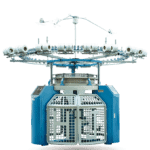
 Single jersey circular knitting machine
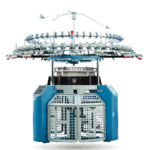 Single jersey computerized jacquard knitting machine
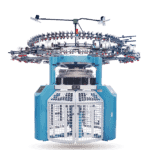 Double Jersey circular knitting machine
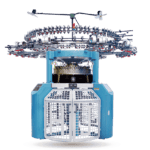 Rib tansfer electronic jacquard knitting machine
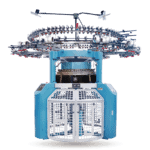 Double electronic jacquard circular knitting machine
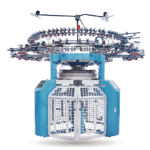 Double jersey computerized acquard circular knitting machine
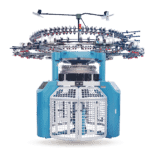 Double jersey mini jarquard knitting machine
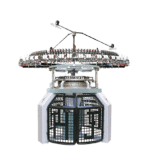 Reverse or face side terryknitting machine
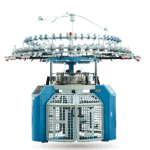 Terry electronic jacquard knitting machine(2/3ways)
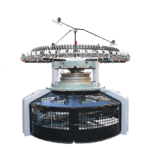 High speed open width double jersey knitting machine

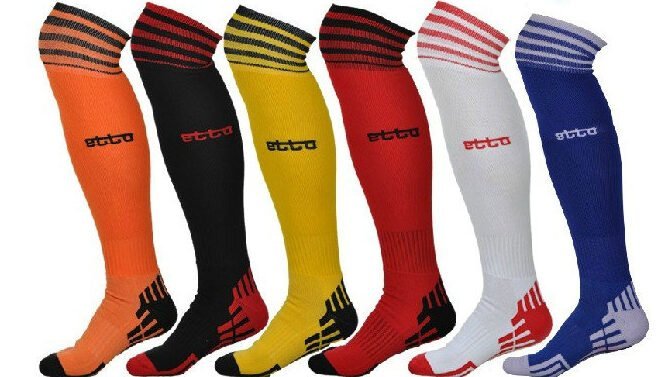
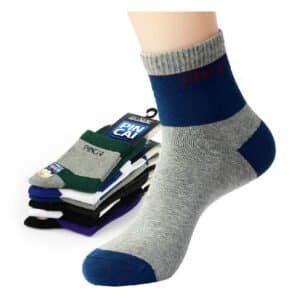
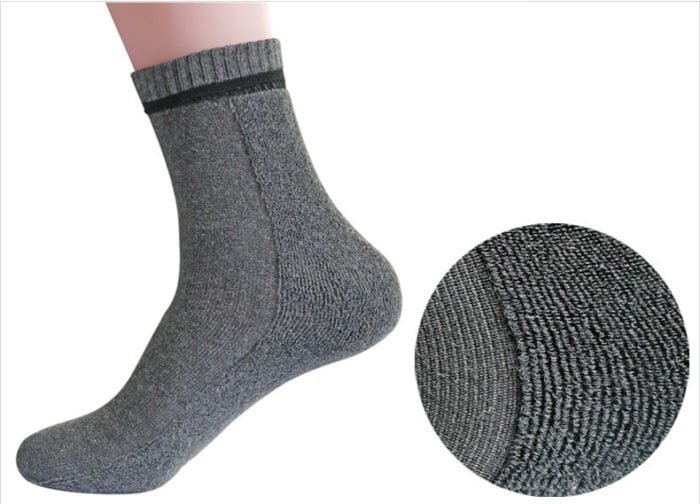
 Automatic Linking intelligent socks knitting machine
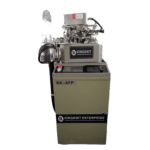 computerized plain socks knitting machine
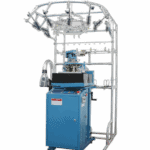 Double cylinder sock knitting machine
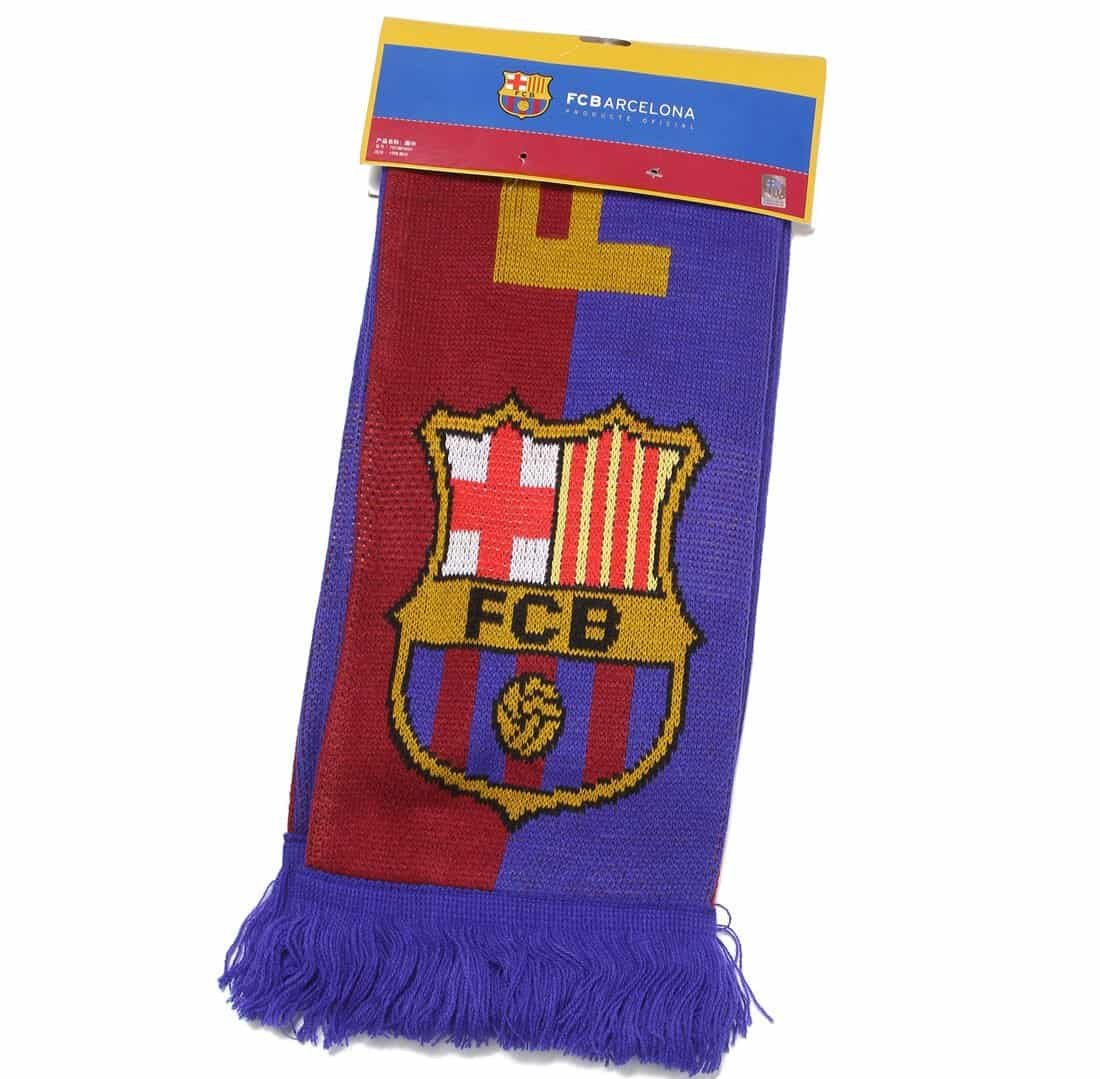
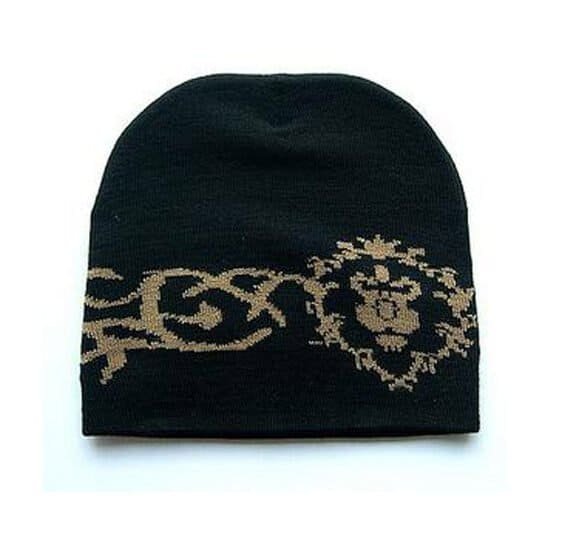
 Single jaquard scarf&hat knitting machine


The textile machinery industry has changed significantly over the past decade. Machines have become faster, more automated, and more precise. Computerized control systems have improved production capabilities, and manufacturers now have access to technologies that were difficult to imagine years ago.
But from my experience in the textile machinery industry, I believe the biggest change is not happening inside the machines.
It is happening on the customer side.
Today’s textile buyers are becoming more selective. They are no longer looking only at machine price or maximum production speed. They are looking at the complete value that a machine and its supplier can provide.
Customers Expect More Than a Machine
In the past, many purchasing decisions were based mainly on several basic questions:
How much does the machine cost?
How many pieces can it produce?
How quickly can it be delivered?
These questions are still important, but they are no longer enough.
Today’s manufacturers are also asking about technical support, spare parts, operator training, production flexibility, energy consumption, and long-term reliability.
When a factory invests in a sock knitting machine, glove knitting machine, or scarf knitting machine, it is not simply buying a piece of equipment. It is investing in its future production capability.
Customization Is Becoming More Important
Many textile buyers are dealing with changing consumer preferences and shorter product cycles.
Instead of producing only large volumes of standardized products, manufacturers increasingly need to support:
- Different product designs
- More colors and patterns
- Customized specifications
- Smaller production runs
- Faster product changes
This requires greater flexibility from both factories and their textile machinery.
Modern computerized knitting technology allows manufacturers to manage more production variations while maintaining consistent quality.
Delivery Speed Is Only Part of the Equation
Faster delivery has become an important purchasing factor, but customers are also looking at what happens after the machine arrives.
A machine may be delivered on time, but what happens when the factory needs technical assistance?
Can operators receive proper training?
Are spare parts available when needed?
Can technical problems be solved quickly?
From what I have seen, these factors can have a significant impact on the real value of a machinery investment.
Buyers Are Looking for Partners, Not Just Suppliers
This is probably one of the biggest changes I have noticed.
Many customers no longer want a company that simply sells equipment. They want a supplier that understands their production challenges and can provide practical solutions.
For a textile machinery manufacturer, this means understanding the customer’s factory, production goals, product range, and future plans.
The machine itself is only one part of the relationship.
Technical knowledge, communication, training, spare parts, and after-sales support are also part of the value.
Technology Still Matters
None of this means machine technology is becoming less important.
Quite the opposite.
Modern sock knitting machines, glove knitting machines, scarf knitting machines, and other computerized knitting machines are becoming more sophisticated every year.
Automation, precision control, improved production monitoring, and greater programming flexibility are helping textile factories become more efficient.
But technology only creates value when it solves a real production problem.
The most advanced machine is not necessarily the best choice for every factory.
The Industry Is Becoming More Customer-Driven
From an industry perspective, I believe this is where textile manufacturing is heading.
Factories want higher productivity, but they also want flexibility.
They want better machines, but they also want better support.
They want competitive prices, but they are increasingly looking at long-term operating costs and reliability.
This means textile machinery companies also need to change.
We need to understand not only how to build machines, but also how those machines are used in real production environments.
Conclusion
The textile machinery industry will continue to evolve. Machine technology will become more advanced, automation will continue to expand, and production systems will become increasingly connected.
But the manufacturers that succeed will not necessarily be those with the most advanced technology.
They will be the companies that understand their customers best.
At KingKnit Machine, we provide sock knitting machines, glove knitting machines, scarf knitting machines, circular knitting machines, and complete textile machinery solutions for manufacturers around the world.
Our goal is not simply to supply equipment. It is to understand the production challenges behind each project and provide machinery that creates practical, long-term value.
Because in the end, the best machine is not the one with the longest specification sheet.
It is the one that solves the customer’s real problem.