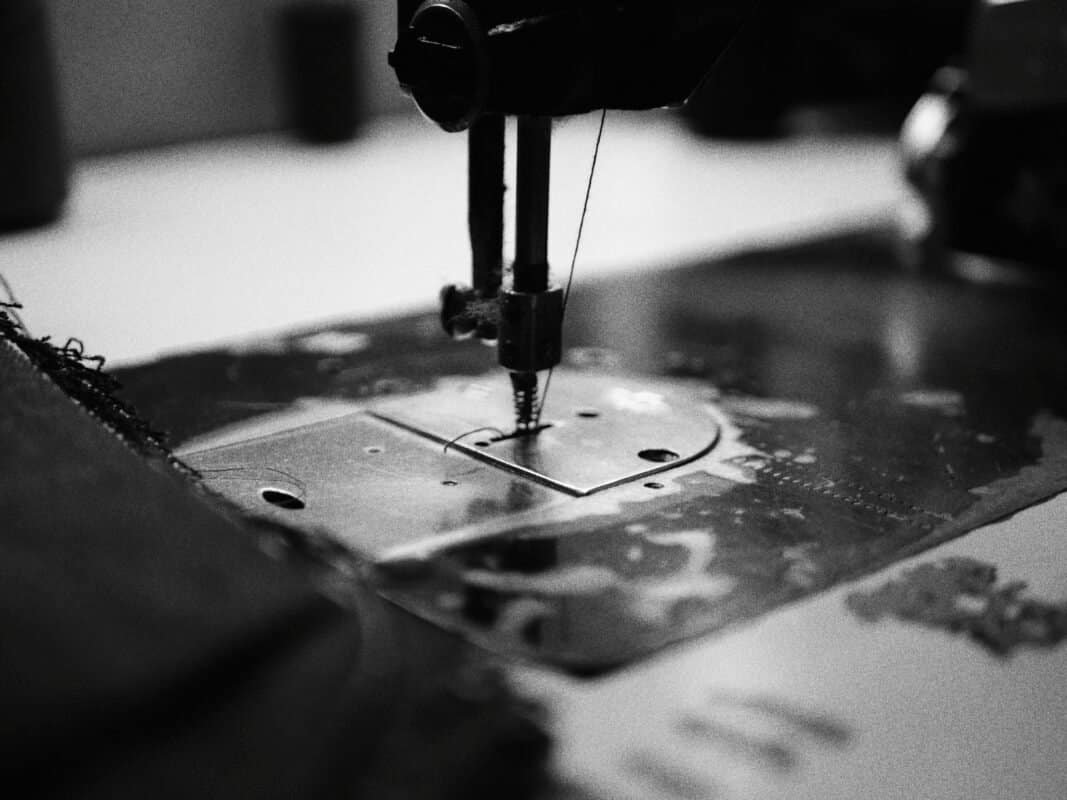
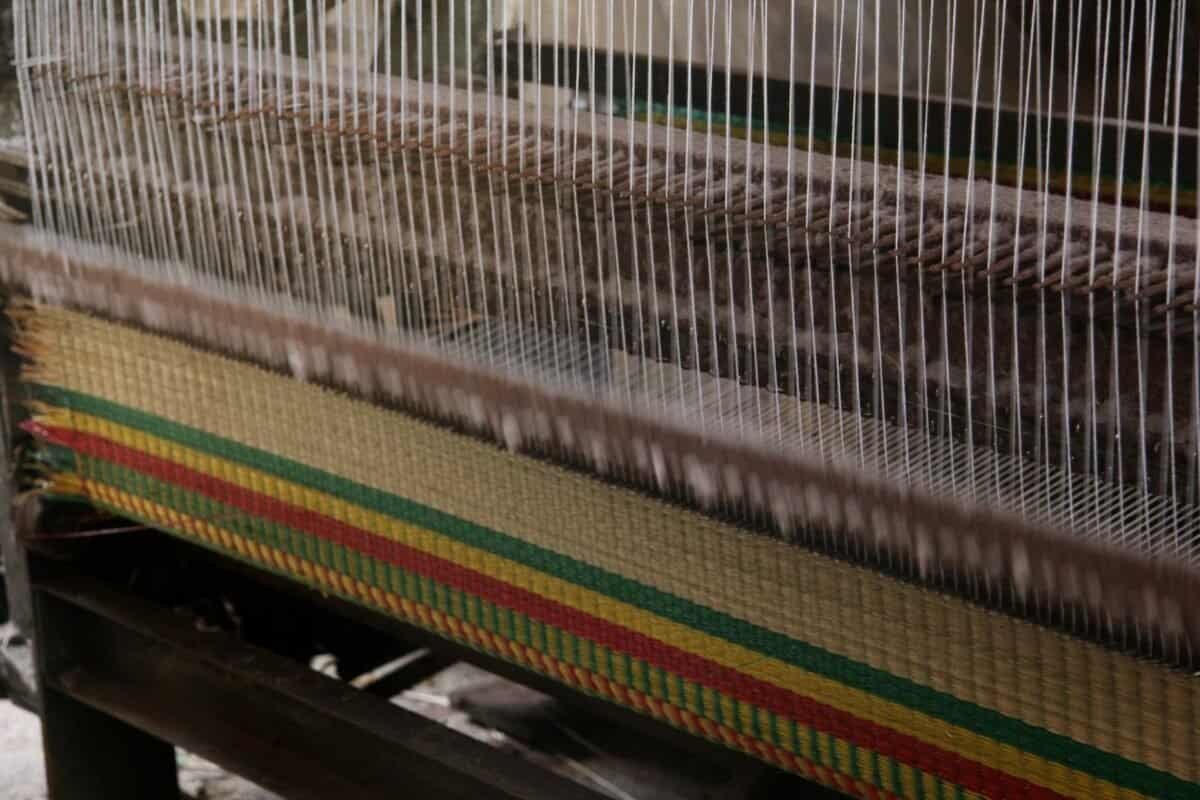
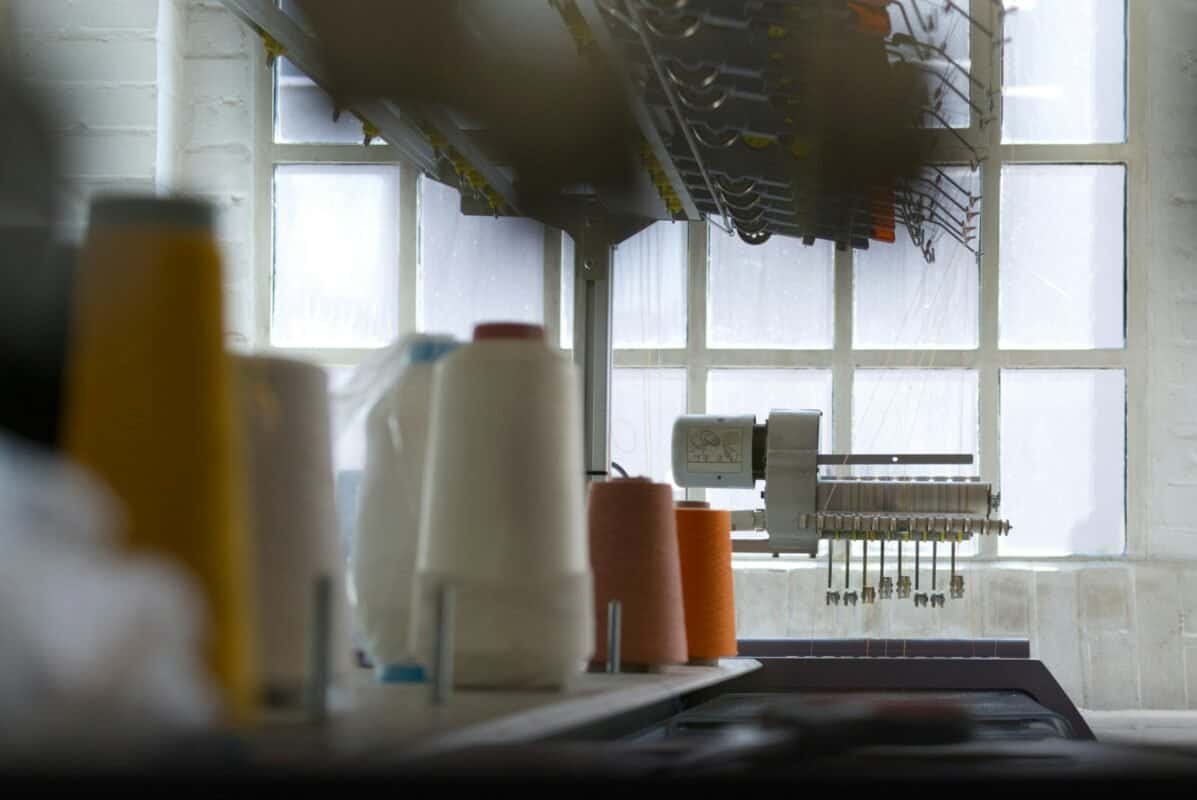
 Single jersey circular knitting machine
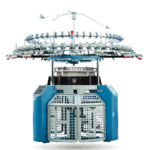 Single jersey computerized jacquard knitting machine
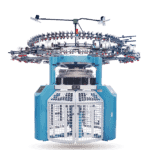 Double Jersey circular knitting machine
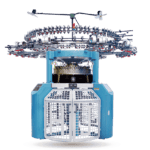 Rib tansfer electronic jacquard knitting machine
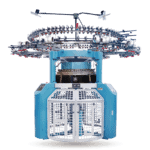 Double electronic jacquard circular knitting machine
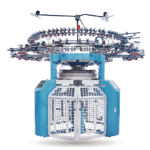 Double jersey computerized acquard circular knitting machine
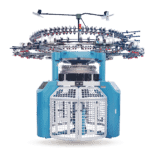 Double jersey mini jarquard knitting machine
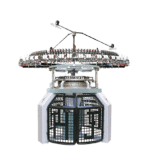 Reverse or face side terryknitting machine
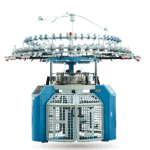 Terry electronic jacquard knitting machine(2/3ways)
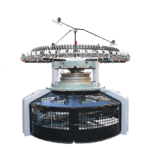 High speed open width double jersey knitting machine

 Automatic Linking intelligent socks knitting machine
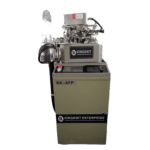 computerized plain socks knitting machine
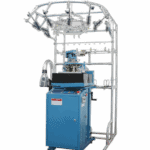 Double cylinder sock knitting machine
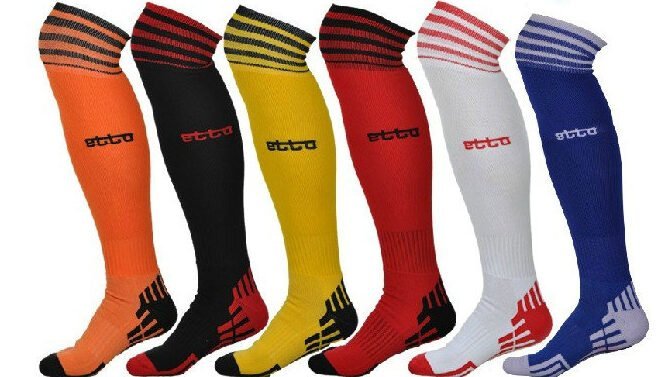
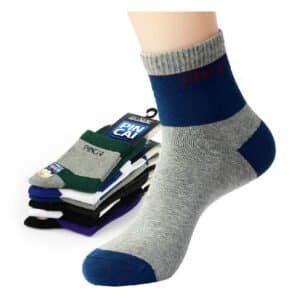
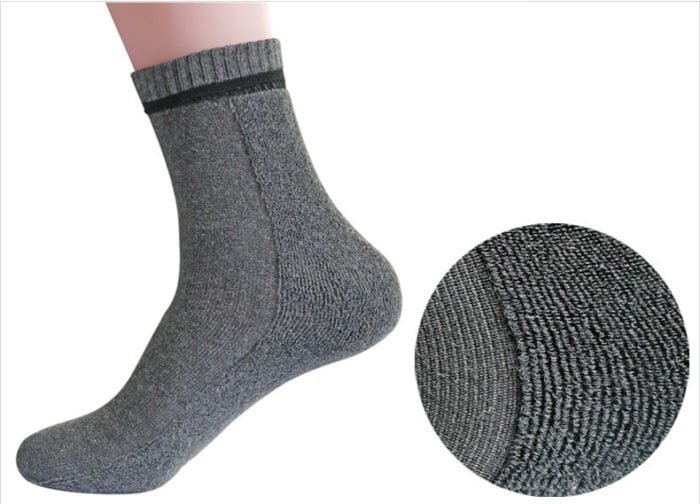
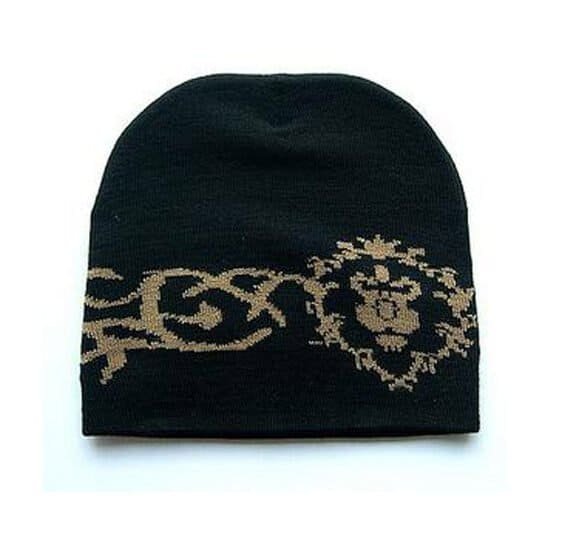
 Single jaquard scarf&hat knitting machine
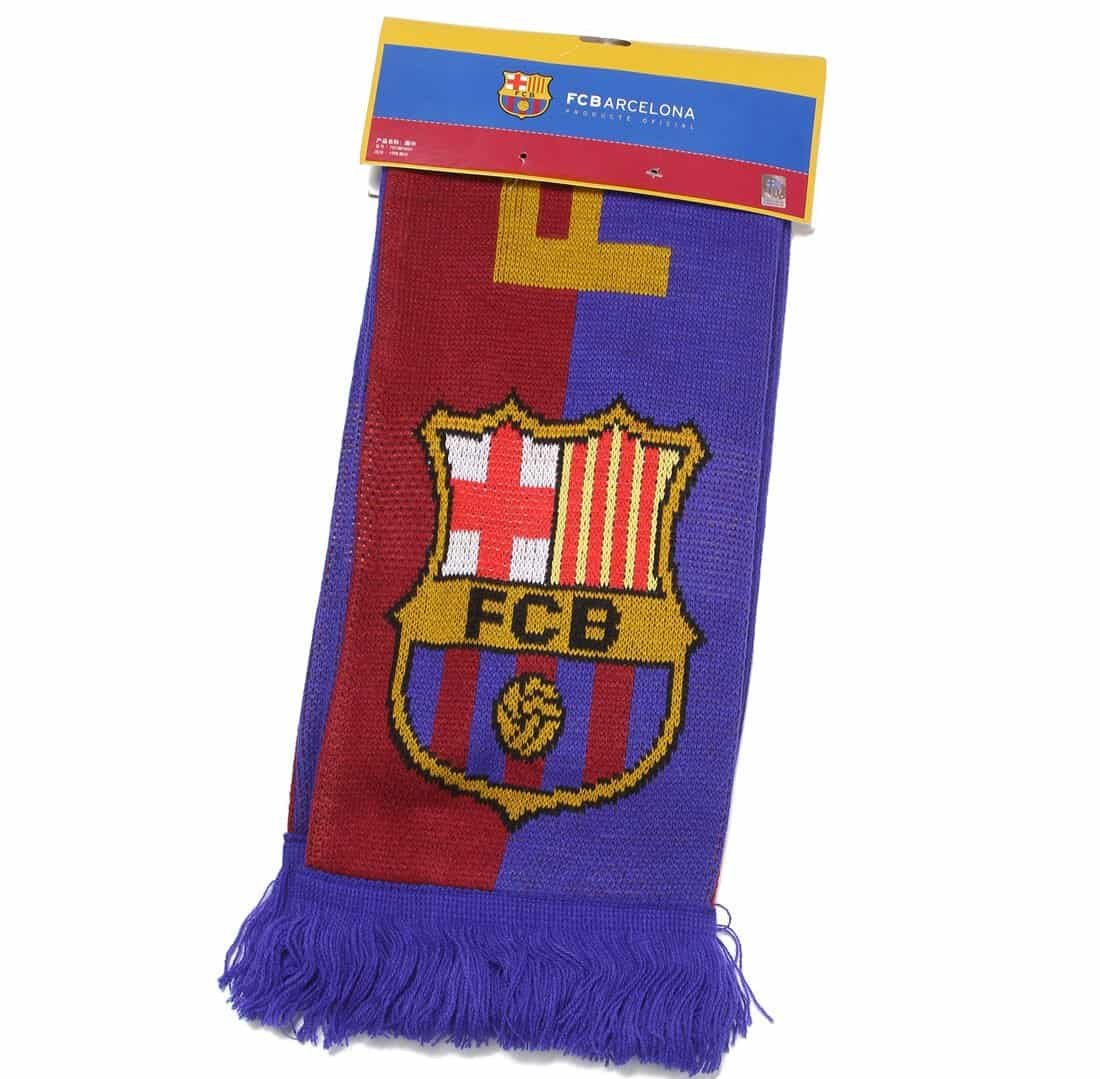


When buying textile machinery, technical specifications are usually one of the first things manufacturers compare.
Machine speed. Production capacity. Number of needles. Power consumption. Available functions.
These numbers are important, but after working in the textile machinery industry for many years, I’ve learned that a specification sheet can only tell part of the story.
A machine may look excellent on paper and still perform differently in a real factory.
The reason is simple: real production depends on much more than machine specifications.
Machine Speed Is Not the Same as Actual Production
Manufacturers often focus on the maximum speed of a knitting machine because it appears to directly represent production capacity.
But maximum speed is normally measured under specific operating conditions.
In an actual factory, production can be affected by:
- Product design
- Yarn characteristics
- Machine settings
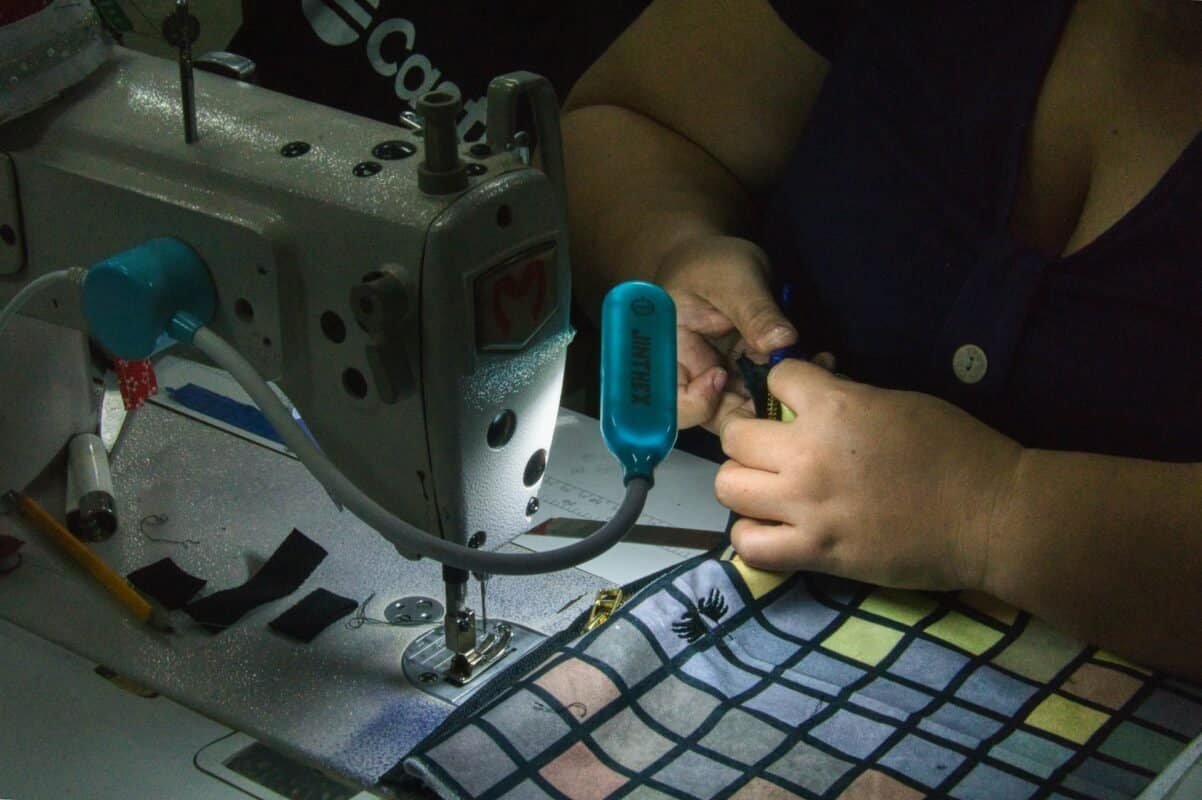
- Operator experience
- Maintenance condition
- Production interruptions
- Product changeovers
- Quality requirements
For example, a sock knitting machine may have a high theoretical output, but its actual daily production will depend on how consistently it can operate and how efficiently the factory manages the complete production process.
Product Type Changes Machine Performance
Not every knitted product places the same demands on a machine.
A machine producing standard socks may operate differently from one producing complex patterns, different colors, special structures, or customized products.
The same principle applies to scarf knitting machines, hat knitting machines, and circular knitting machines.
Product specifications can influence knitting speed, programming requirements, yarn consumption, machine adjustments, and production time.
This is why selecting machinery based only on a single performance number can lead to unrealistic expectations.
Yarn and Machine Compatibility Matter
The machine and the material work as one production system.
Different yarns can have different characteristics in terms of thickness, elasticity, strength, friction, and consistency.
These factors can influence how smoothly the yarn passes through the machine and how consistently the final product is knitted.
A machine that performs well with one yarn may require different settings or operating conditions with another.
For manufacturers, machine selection and yarn selection should therefore be considered together.

Operator Experience Still Matters
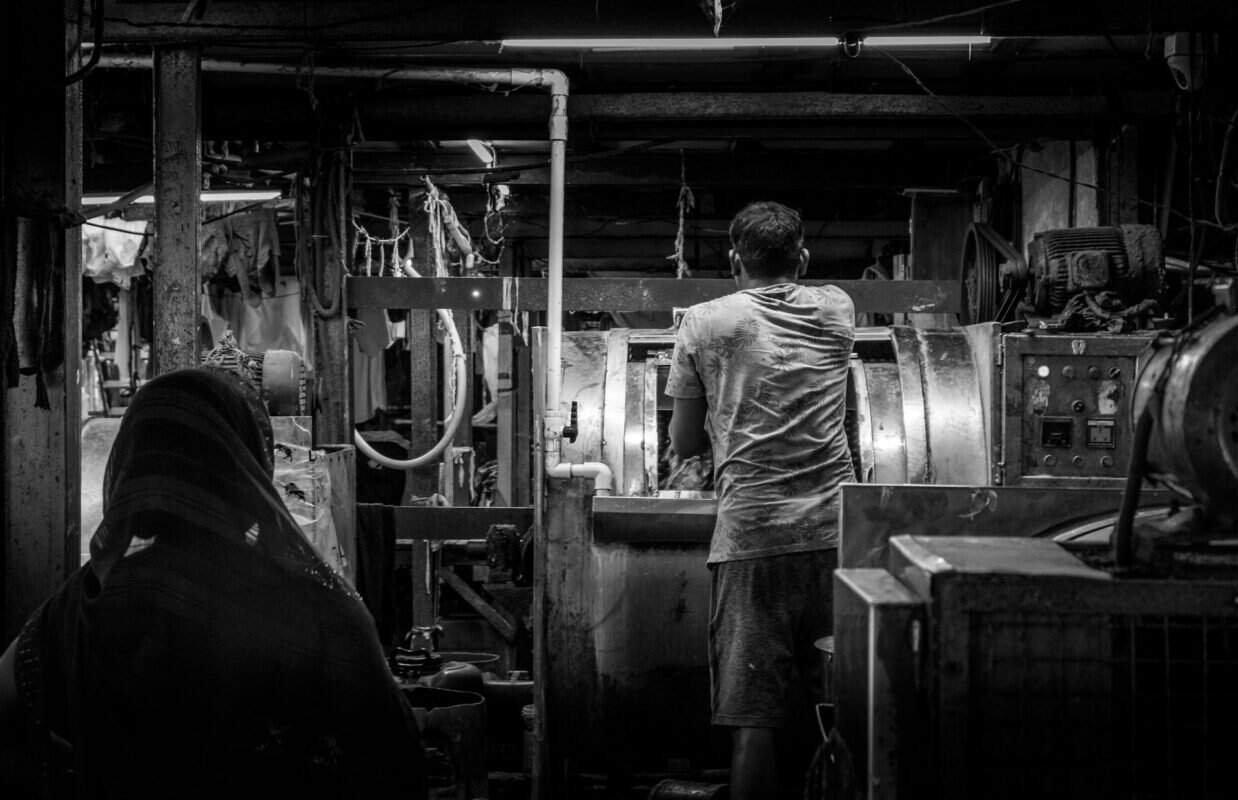
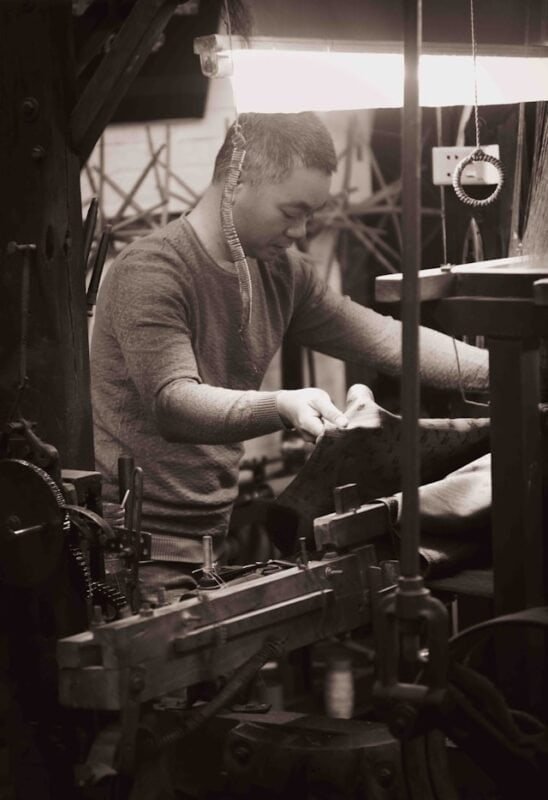
Modern computerized knitting machines have significantly reduced manual operation, but skilled operators still play an important role.
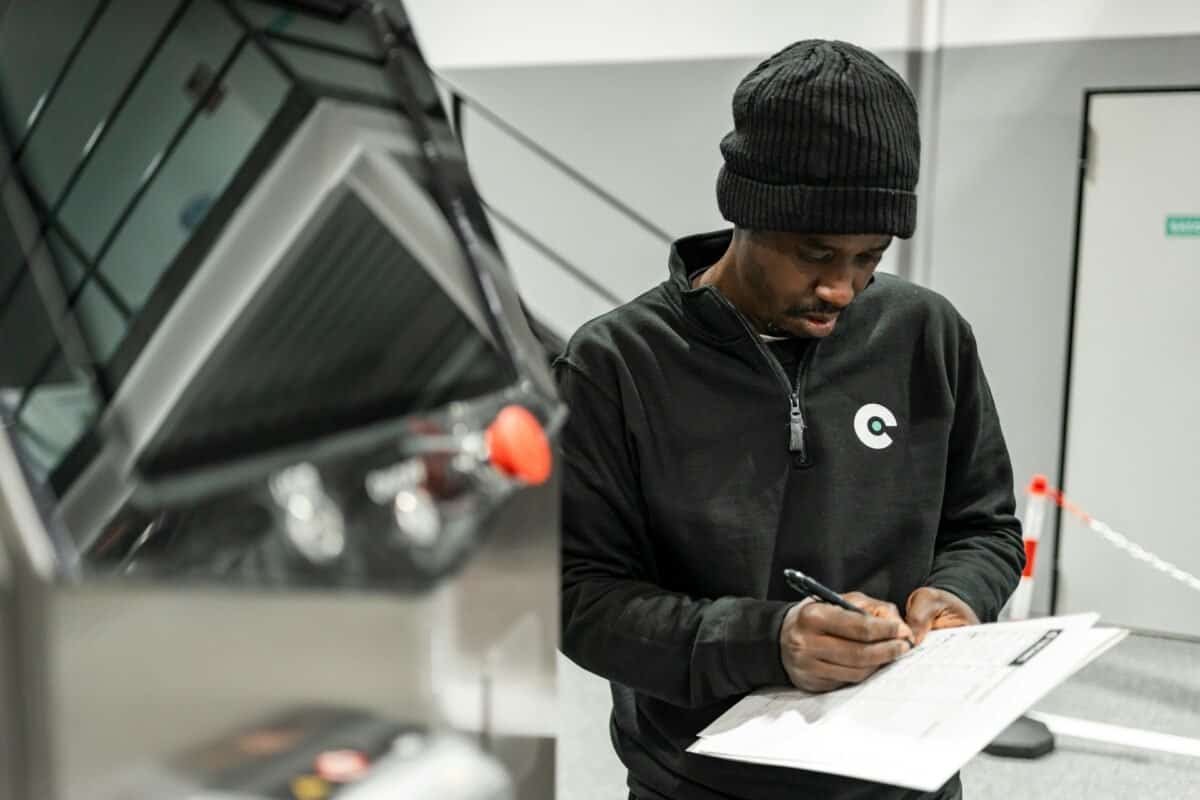
Experienced operators know how to recognize unusual machine behavior, adjust settings, deal with production problems, and maintain consistent product quality.
Two factories using the same machine model can sometimes achieve different results because their production processes, operators, and management systems are different.
Technology provides the capability.
The production team determines how effectively that capability is used.
Maintenance Has a Direct Impact on Real Output
Even a high-performance textile machine cannot maintain its best performance without proper maintenance.
Regular cleaning, lubrication, inspection, calibration, and timely replacement of worn components can help keep equipment operating consistently.
Neglecting maintenance can lead to more downtime, quality problems, and unexpected repairs.
This means real production performance is closely connected to the condition of the machine throughout its working life—not just its original specifications.
Factory Conditions Also Make a Difference
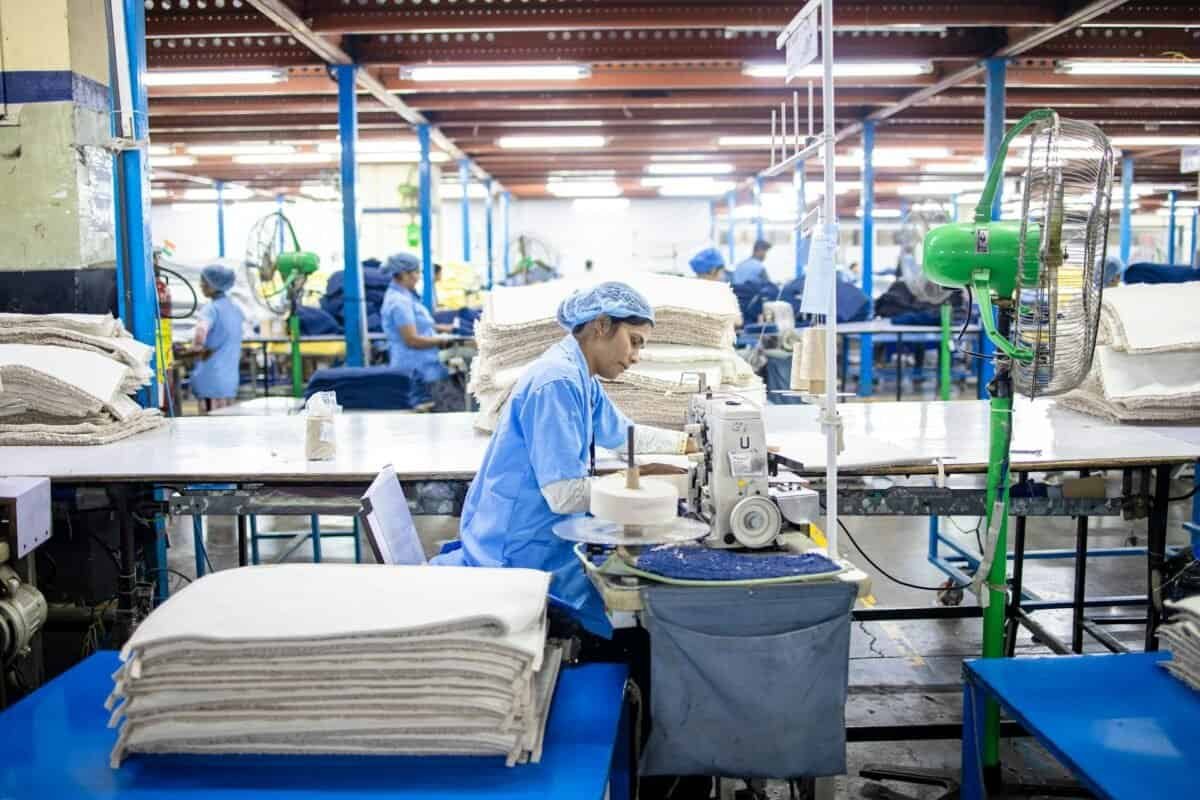
Real-world performance can be influenced by the factory environment.
Power supply, temperature, humidity, dust levels, workspace organization, and production management can all affect equipment operation.
A machine should therefore be evaluated in the context of the factory where it will actually be installed and used.
This is particularly important when manufacturers are building a new production line or expanding an existing facility.

Looking Beyond the Specification Sheet
When evaluating textile machinery, I believe buyers should ask more than:
“How fast can this machine run?”
They should also ask:
“What can this machine realistically produce in my factory?”
That question leads to a much more useful evaluation.
Consider machine stability, product requirements, yarn compatibility, operator capability, maintenance, energy consumption, and actual production conditions.
These factors together determine the real value of a machine.
Real Performance Is the Result of the Whole System
A successful textile factory is not built around one specification.
It is built around the cooperation of:
Machine + Material + People + Process + Maintenance
When these elements work together, manufacturers can achieve more consistent output, better quality, and stronger production efficiency.
This applies whether the factory is producing socks, scarves, hats, gloves, or other knitted products.
Conclusion
A machine specification provides useful information, but it should not be treated as a guarantee of actual production output.
For manufacturers investing in a sock knitting machine, scarf knitting machine, hat knitting machine, circular knitting machine, or other textile machinery, the best purchasing decision comes from evaluating the complete production environment.
From my perspective, the best machine is not necessarily the one with the most impressive numbers on paper.
It is the one that can deliver reliable and practical performance in a real factory.
At KingKnit Machine, we provide sock knitting machines, glove knitting machines, scarf knitting machines, hat knitting machines, circular knitting machines, and complete textile machinery solutions designed around real manufacturing requirements.
Because in the end, a machine’s value is measured not only by what it can do in a specification sheet, but by what it can consistently achieve on the production floor.