 Single jersey circular knitting machine
 Single jersey computerized jacquard knitting machine
 Double Jersey circular knitting machine
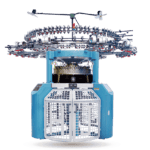 Rib tansfer electronic jacquard knitting machine
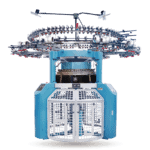 Double electronic jacquard circular knitting machine
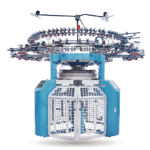 Double jersey computerized acquard circular knitting machine
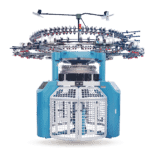 Double jersey mini jarquard knitting machine
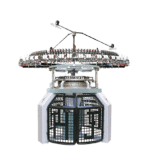 Reverse or face side terryknitting machine
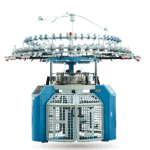 Terry electronic jacquard knitting machine(2/3ways)
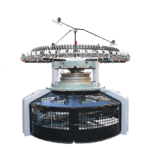 High speed open width double jersey knitting machine

 Automatic Linking intelligent socks knitting machine
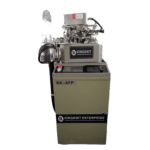 computerized plain socks knitting machine
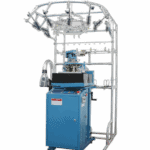 Double cylinder sock knitting machine
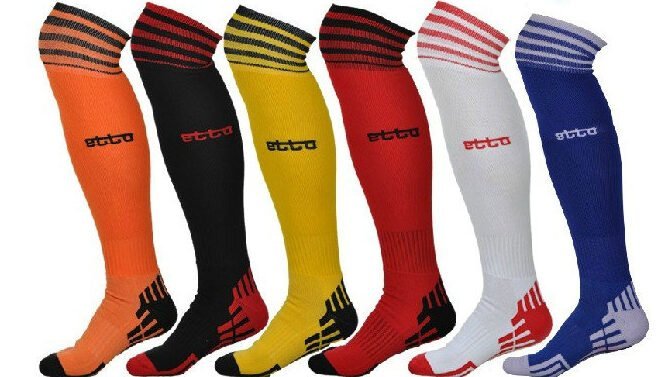

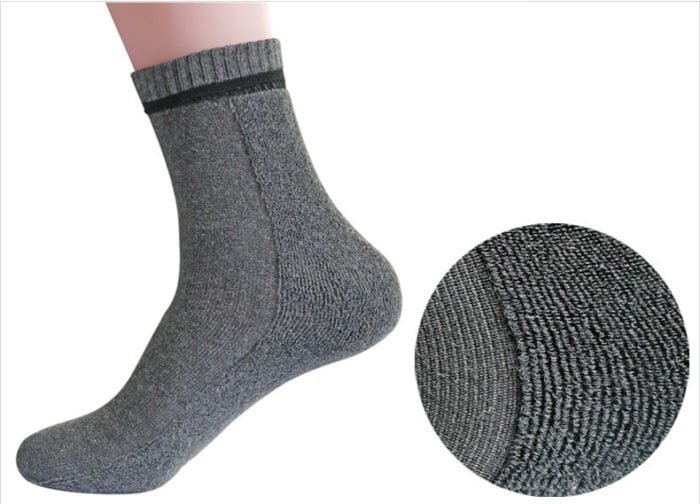
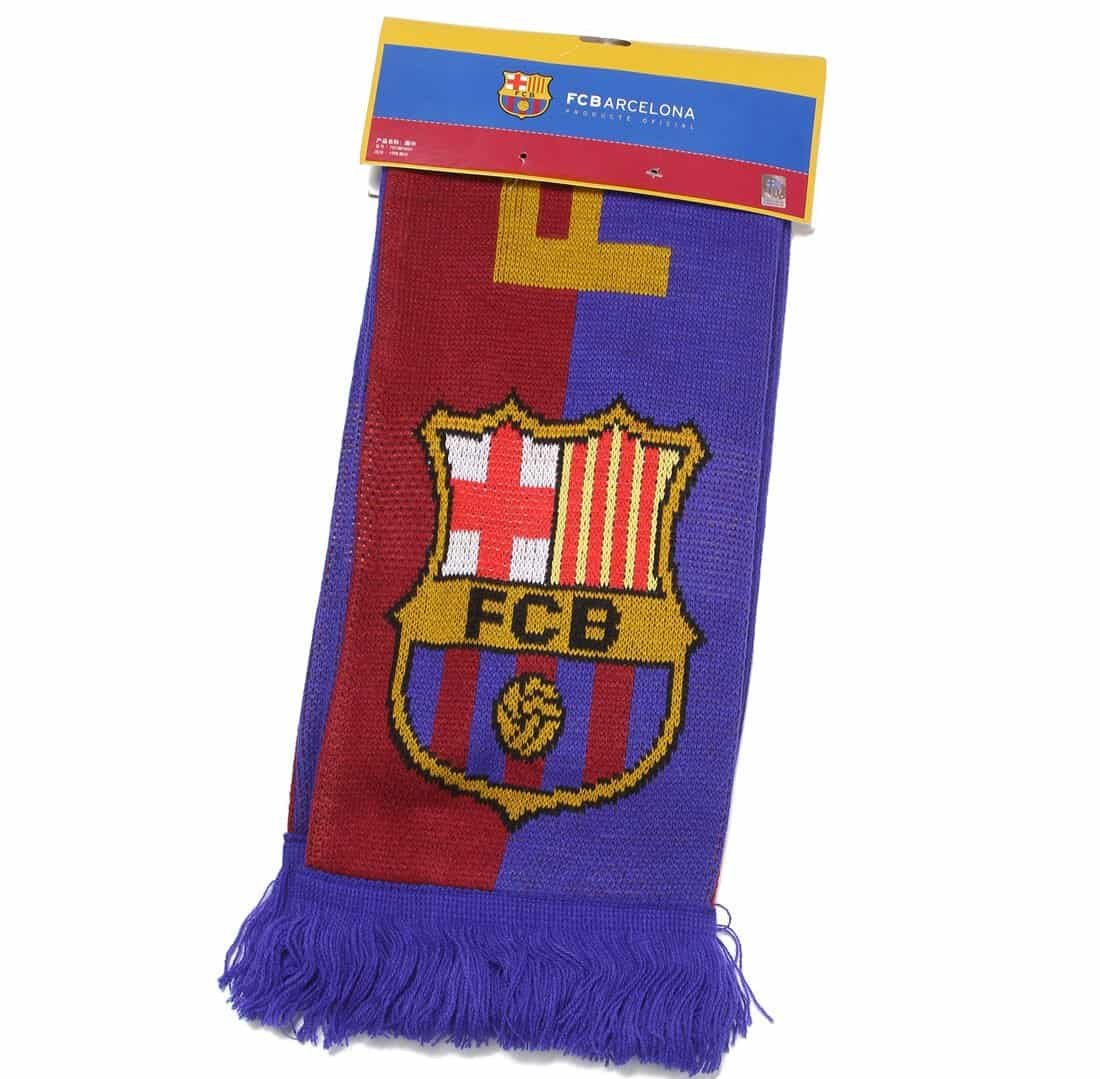
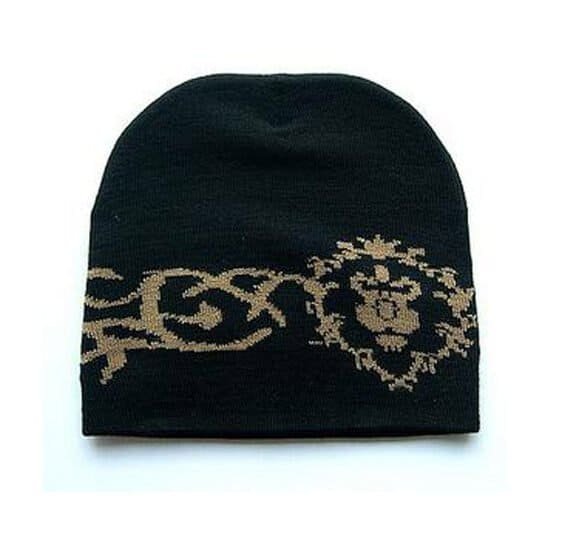
 Single jaquard scarf&hat knitting machine

In textile manufacturing, machine performance is often associated with settings, speed, and mechanical precision. Once a machine is properly adjusted, many expect production behavior to remain stable throughout operation.
However, experienced technicians and operators understand that one major factor can significantly change how a machine performs: the yarn itself.
Different yarn types interact with textile machinery in different ways. Even when production parameters remain unchanged, machine behavior may shift noticeably depending on the characteristics of the material being processed.
This is one reason why stable textile production depends not only on machine engineering, but also on understanding machine-material interaction.
Yarn Is Not a Uniform Material
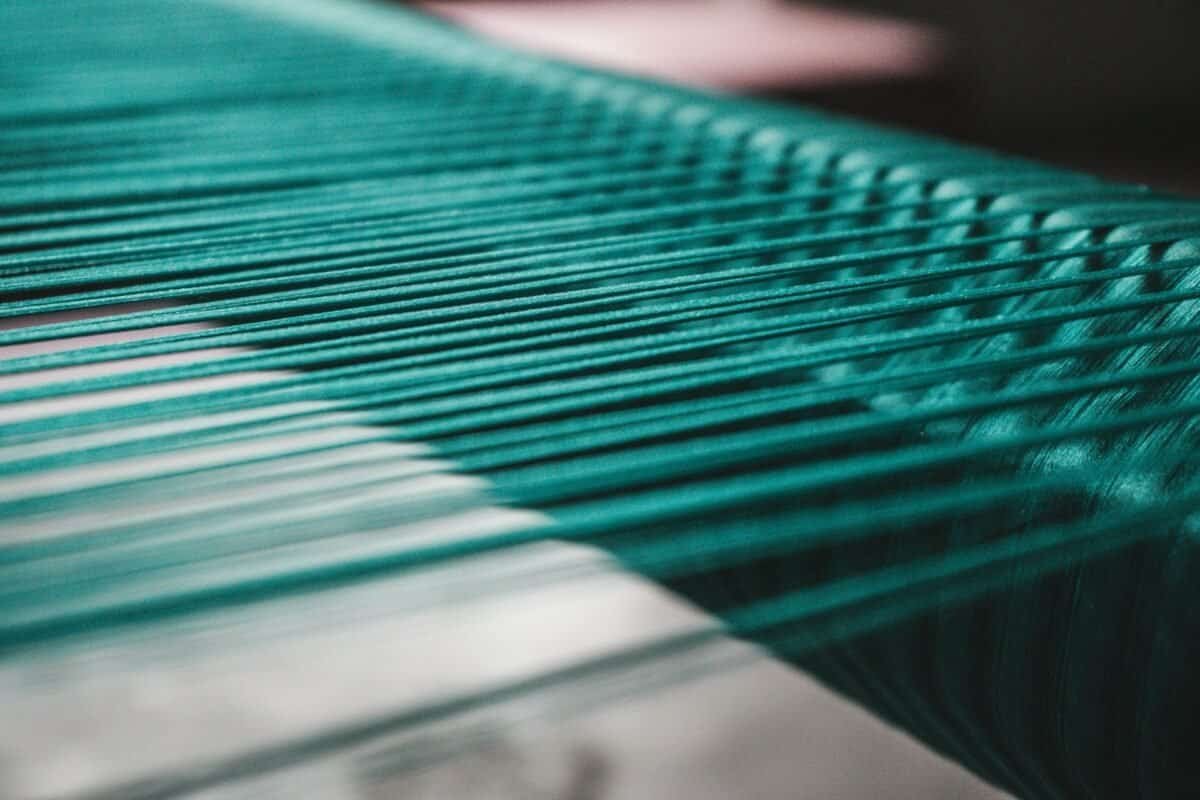
Although yarn may appear consistent from the outside, its behavior can vary significantly depending on its structure and composition.
Different yarns have different:
- Elasticity
- Surface texture
- Fiber composition
- Twist structure
- Moisture sensitivity
- Friction characteristics
These variables directly influence how the yarn moves through the machine during production.
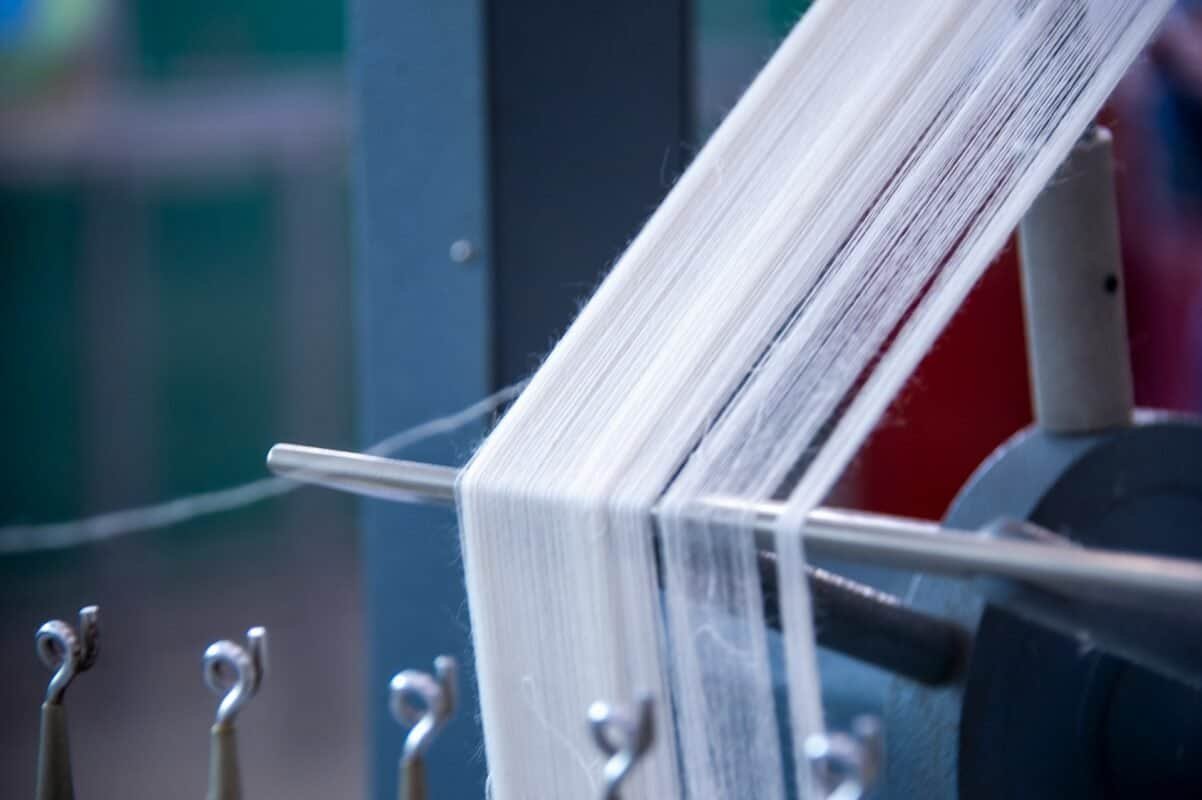
Some yarns feed smoothly at high speed and maintain stable tension throughout long production runs. Others may create more resistance, respond differently under tension, or behave less consistently as operating conditions change.
As a result, the same machine can behave differently under different yarn conditions.
How Yarn Influences Machine Behavior
Textile machinery operates through continuous interaction between mechanical movement and material flow.
When yarn characteristics change, the machine responds accordingly.
For example, different yarn types may affect:
- Yarn feeding consistency
- Needle movement response
- Tension stability
- Friction levels within moving components
- Vibration behavior during operation
- Machine sound and running rhythm
These effects are often subtle at first. Machines may continue operating normally, but experienced operators can usually detect changes in running behavior relatively quickly.
In some cases, machines that perform well with one yarn type may require adjustments when switching to another material, even if the production program remains identical.
The Role of Tension and Friction
One of the most important factors in machine-material interaction is tension behavior.
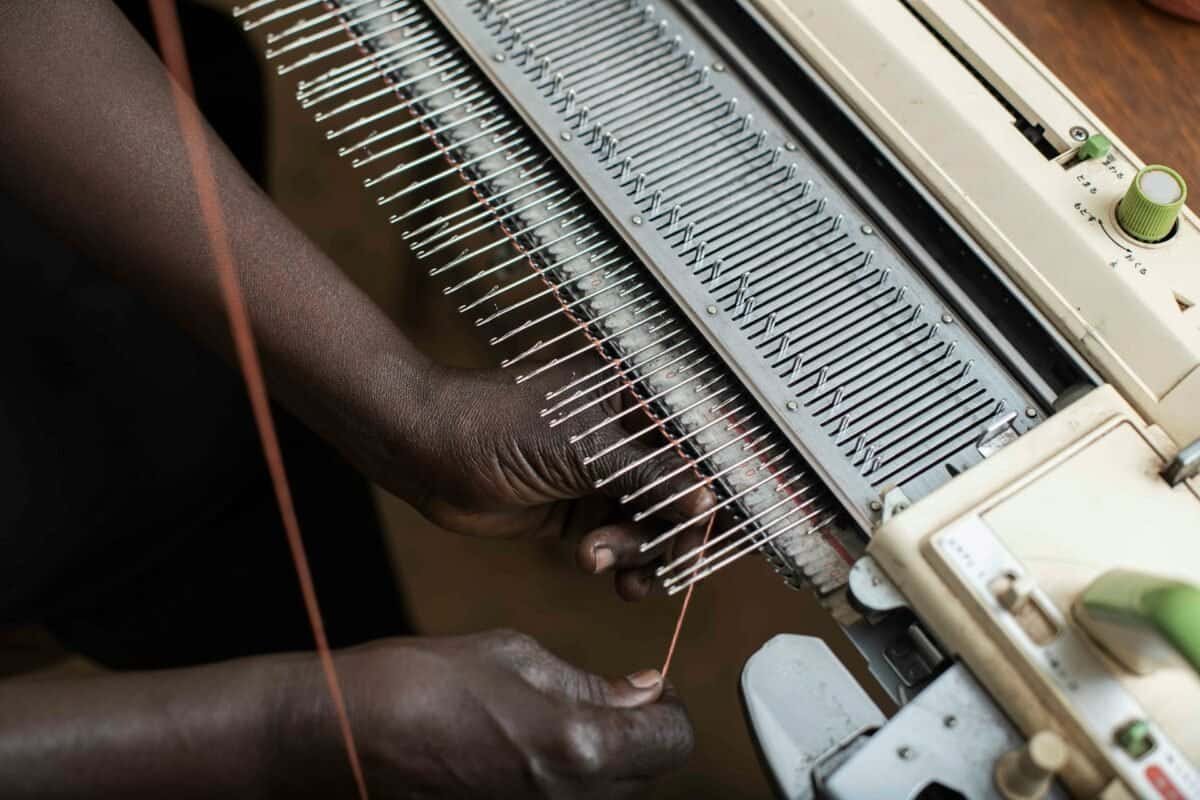
Different yarns react differently under tension during high-speed production. Variations in elasticity and surface friction can influence how evenly the yarn moves through feeders, guides, needles, and knitting zones.
Higher friction may increase resistance during movement, while softer or more elastic yarns may respond differently under continuous pulling force.
These small changes can gradually influence machine consistency during production.
In long production runs, even minor tension instability may begin affecting product quality, machine smoothness, or adjustment frequency.
Why Long Production Runs Matter
Short production tests do not always reveal the full relationship between yarn behavior and machine performance.
Some yarn-related effects only become noticeable after several hours of continuous operation.
As production continues, heat, friction, and machine movement interact continuously with the material. Certain yarns may become more sensitive under prolonged running conditions, leading to gradual variation in machine response.
This is why experienced textile factories evaluate machine performance not only during startup testing, but throughout extended production cycles.
Stable production depends on long-term consistency, not just short-term machine operation.
Machine Precision Alone Is Not Enough
Modern textile machinery is engineered with high levels of mechanical precision. However, precision alone cannot guarantee stable production across all material conditions.
The relationship between machine and yarn is dynamic.
Different materials may require adjustments in:
- Operating speed
- Tension settings
- Lubrication behavior
- Machine rhythm
- Production monitoring
Factories that understand these interactions are often better equipped to maintain stable output across different production requirements.
Conclusion
In textile manufacturing, changing the yarn can also change the machine.
Different yarn types influence machine behavior through tension variation, friction differences, elasticity, and material response during operation. Even under identical machine settings, production behavior may shift depending on how the material interacts with the equipment.
For this reason, stable textile production depends not only on machine precision, but also on understanding how machinery responds to different yarn conditions over time.
The most effective production environments recognize that machines and materials cannot be treated separately — they continuously influence each other throughout the manufacturing process.
About King Knit
At King Knit, we focus on textile machinery solutions designed to operate reliably across different yarn types and real production environments. Understanding machine-material interaction is essential for achieving stable, efficient, and long-term textile production performance.
Learn more:
🌐 https://kingknitfactory.com
📩 client@kingknit.com