 Single jersey circular knitting machine
 Single jersey computerized jacquard knitting machine
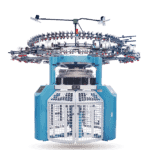 Double Jersey circular knitting machine
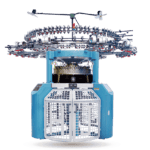 Rib tansfer electronic jacquard knitting machine
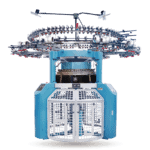 Double electronic jacquard circular knitting machine
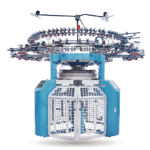 Double jersey computerized acquard circular knitting machine
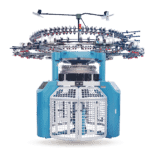 Double jersey mini jarquard knitting machine
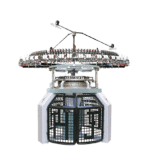 Reverse or face side terryknitting machine
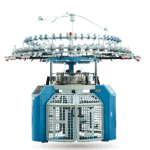 Terry electronic jacquard knitting machine(2/3ways)
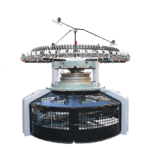 High speed open width double jersey knitting machine

 Automatic Linking intelligent socks knitting machine
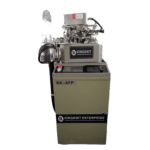 computerized plain socks knitting machine
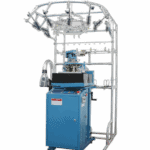 Double cylinder sock knitting machine


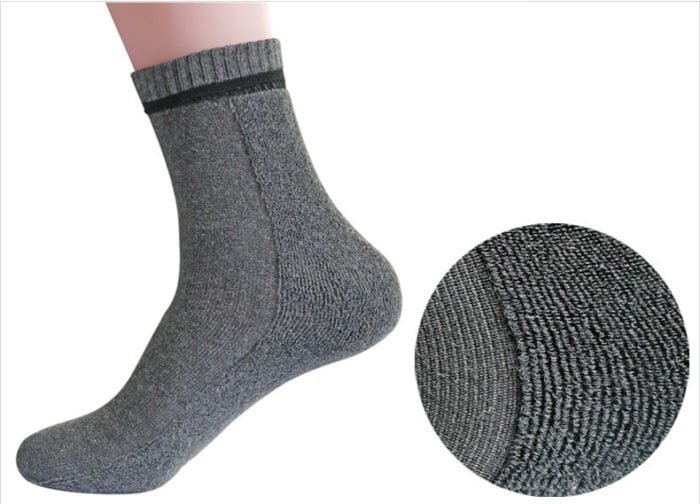
 Single jaquard scarf&hat knitting machine

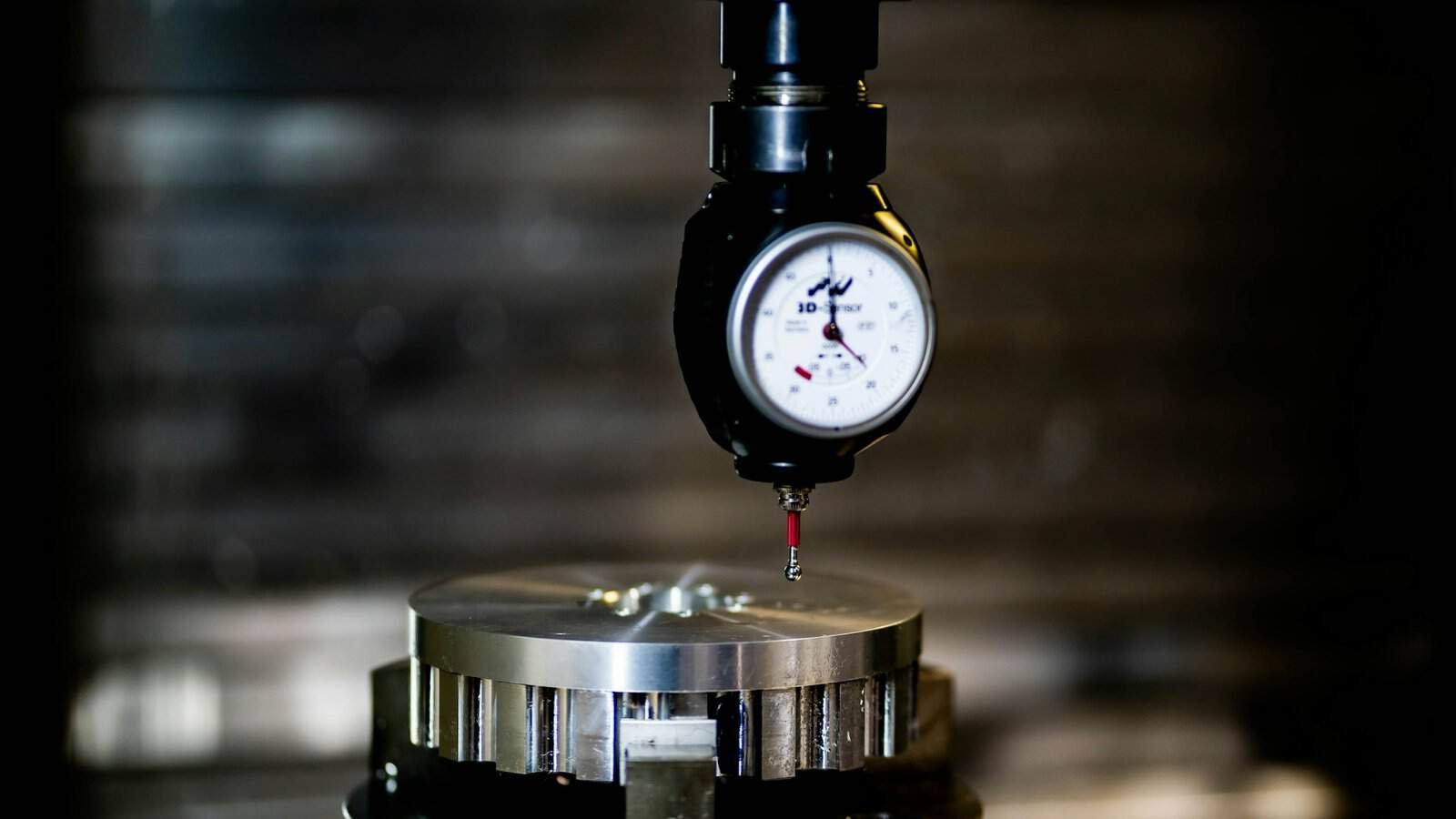
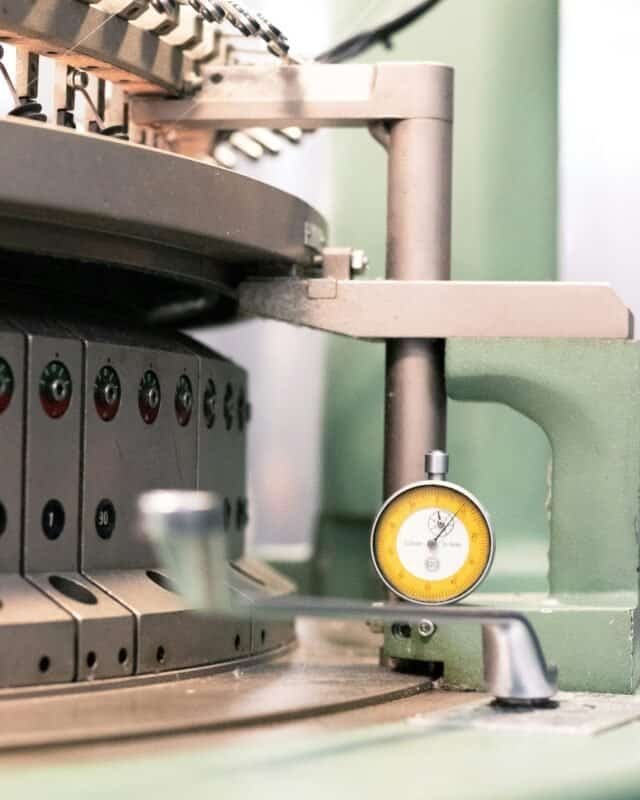
In textile manufacturing, machine calibration is often treated as a technical procedure with a clear beginning and end.
A machine is installed, settings are adjusted, tolerances are measured, and operating parameters are aligned to production requirements. Once everything meets specification, the machine is considered calibrated and ready for operation.
But in real production environments, calibration is rarely permanent.
Textile machinery operates within constantly changing conditions. Over time, even small variations in temperature, vibration, material behavior, and mechanical wear can gradually influence machine performance. Because of this, calibration is not simply a setup task — it is an ongoing process of maintaining production consistency.
Calibration Is Affected by Real Operating Conditions
In controlled testing environments, machine calibration may appear stable and predictable.
However, production floors are dynamic environments.
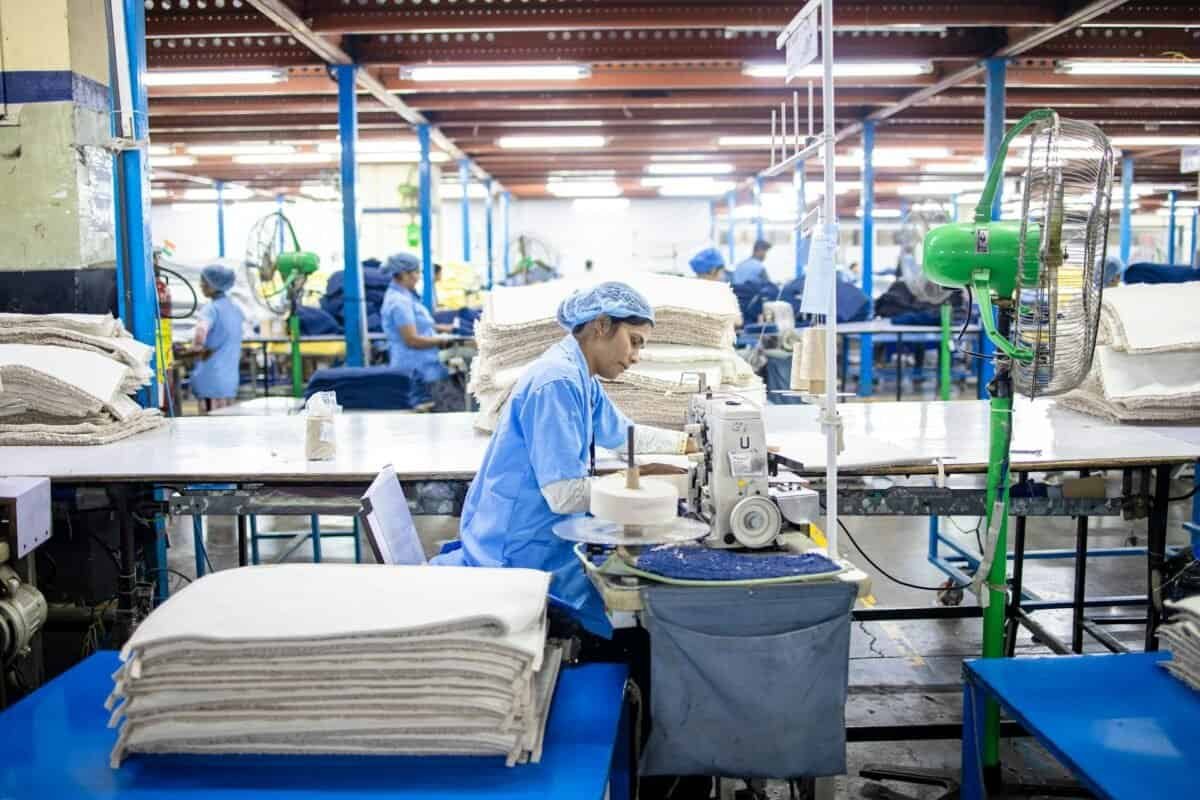
Machines run continuously for long periods. Components experience friction and heat buildup. Yarn characteristics can vary between batches. Operators may make small adjustments during production to maintain output quality.
All of these factors influence how machinery behaves over time.
A machine that performs perfectly during initial setup may gradually respond differently after days or weeks of continuous operation. These changes are often subtle at first, but in high-speed textile production, even small variations can affect consistency.
Small Changes Create Larger Production Effects
One of the challenges in textile machinery is that performance drift usually develops gradually rather than suddenly.
Machines rarely move from “perfect” to “failure” instantly.
Instead, minor changes begin to appear:
- Slight tension imbalance
- Increased adjustment frequency
- Small synchronization deviations
- Variations in fabric consistency
- Changes in machine rhythm during operation
Individually, these issues may seem insignificant. Production can often continue without obvious interruption.
But over time, small deviations can accumulate and begin affecting product quality, operational efficiency, and machine stability.
This is why calibration cannot be viewed as a one-time achievement.
The Relationship Between Wear and Calibration
Mechanical wear is another reason calibration requires continuous attention.
Even precision-engineered components gradually change under long-term operation. Bearings, cams, needles, and moving assemblies experience microscopic wear that may slowly alter machine behavior.
These changes are often difficult to detect immediately because they develop progressively rather than through sudden failure.
Experienced technicians understand that maintaining stable performance requires regular observation and fine adjustment before visible production problems appear.
In many textile factories, the ability to recognize these early signs is what separates reactive maintenance from controlled production management.
Material Variability Also Matters
Calibration is influenced not only by machines, but also by materials.
Textile production involves constant interaction between machinery and yarn. Differences in yarn structure, elasticity, tension behavior, or material consistency can influence how machines perform under identical settings.
This means a calibration setup that works well under one production condition may require adjustment under another.
For this reason, experienced operators and technicians continuously monitor production behavior rather than assuming machine settings will remain permanently optimal.
Calibration Is About Maintaining Stability
The purpose of calibration is not simply achieving precision at startup.
Its real purpose is maintaining stable performance over time.
In modern textile production, consistency is often more important than short-term peak performance. Stable machine operation reduces variability, improves product quality, and supports predictable production planning.
Achieving this requires ongoing attention to machine behavior throughout the production cycle.
In practice, successful textile manufacturing often depends less on large corrections and more on continuous small adjustments that keep production conditions controlled.
Conclusion
Machine calibration is not a fixed state.
In textile manufacturing, machines operate within changing mechanical, thermal, and material conditions that continuously influence performance. Because of this, calibration should be understood as an ongoing process rather than a completed task.
The most stable production environments are not necessarily the ones with the fewest adjustments, but the ones where small variations are recognized and managed before they become larger problems.
In the end, long-term production consistency depends not only on initial machine precision, but on the ability to maintain that precision throughout continuous operation.
About King Knit
At King Knit, we focus on textile machinery solutions designed for reliable long-term operation in real production environments. Stable production depends not only on engineering precision, but also on continuous operational control and machine consistency over time.
Learn more:
🌐 https://kingknitfactory.com
📩 client@kingknit.com