 Single jersey circular knitting machine
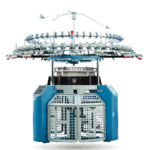 Single jersey computerized jacquard knitting machine
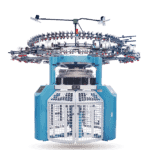 Double Jersey circular knitting machine
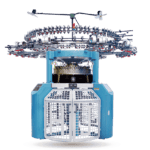 Rib tansfer electronic jacquard knitting machine
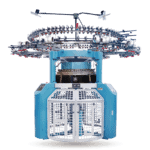 Double electronic jacquard circular knitting machine
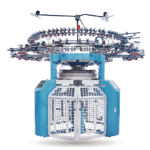 Double jersey computerized acquard circular knitting machine
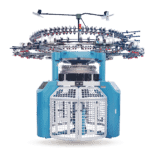 Double jersey mini jarquard knitting machine
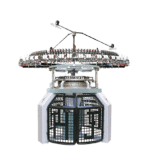 Reverse or face side terryknitting machine
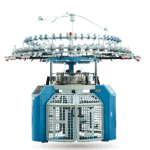 Terry electronic jacquard knitting machine(2/3ways)
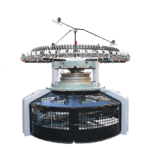 High speed open width double jersey knitting machine

 Automatic Linking intelligent socks knitting machine
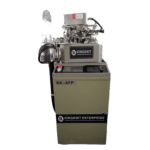 computerized plain socks knitting machine
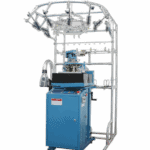 Double cylinder sock knitting machine



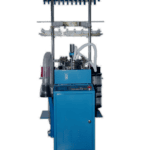 Single jaquard scarf&hat knitting machine



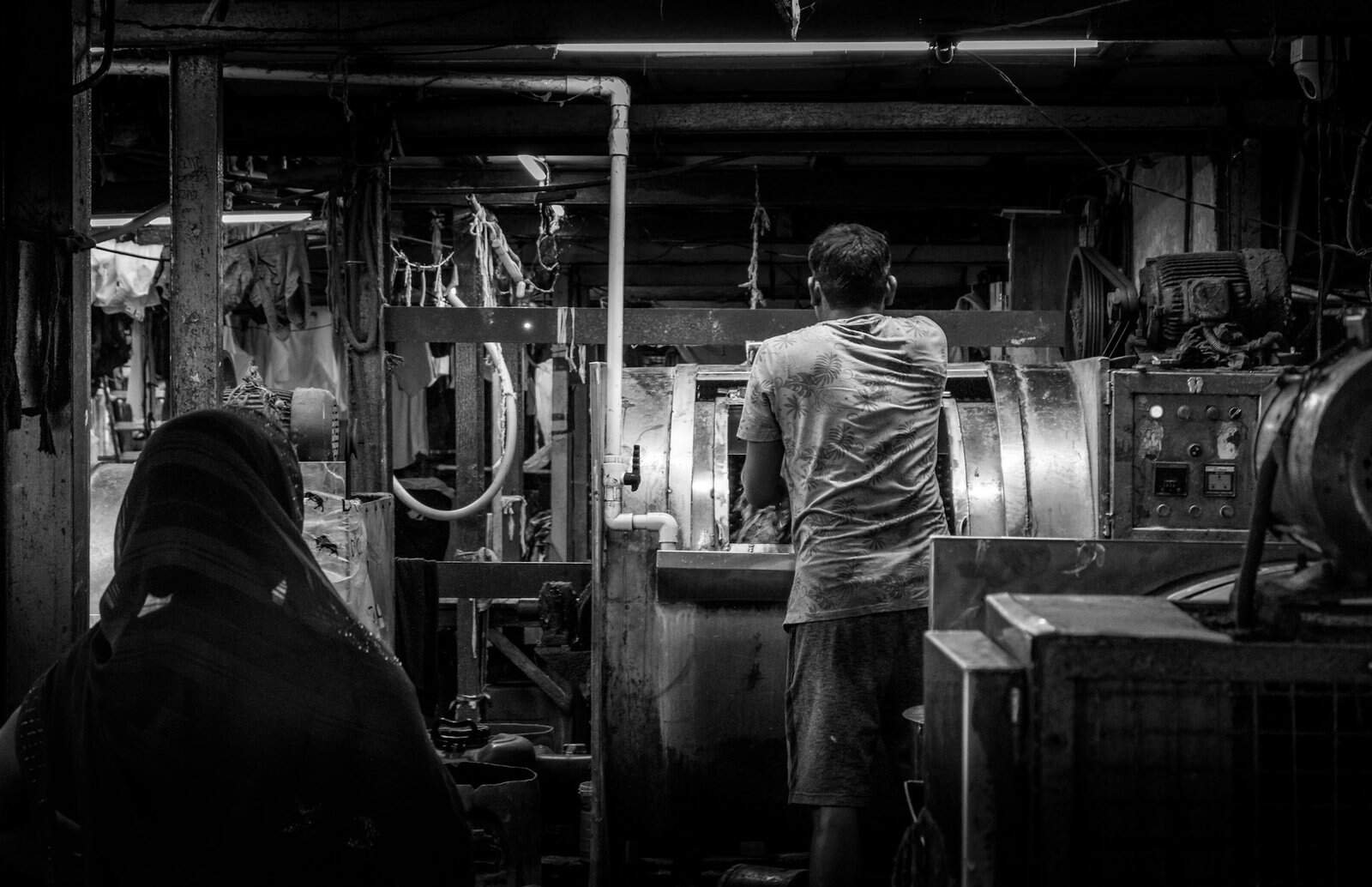
In business, improvement is often associated with visible results.
A process is optimized, a new system is introduced, or a workflow is adjusted — and naturally, the next expectation is to see measurable outcomes. Higher efficiency, fewer errors, or increased output are all seen as signs that a change is working.
But not all improvements are designed to deliver immediate results.
Some of the most meaningful changes operate quietly in the background, influencing performance over time rather than creating instant impact.
The Expectation of Immediate Feedback
In many environments, especially fast-paced ones, there is a strong expectation that every action should produce quick feedback. This mindset is understandable. Clear, immediate results make it easier to evaluate decisions and maintain confidence in direction.
However, this expectation can also create blind spots.
When improvements are judged too quickly, changes that require time to take effect may be misunderstood or undervalued. In some cases, they are even reversed before their benefits have a chance to materialize.

The Nature of Gradual Improvements
Not all improvements are designed to increase output directly.
Some aim to reduce variability.
Some focus on preventing future disruptions.
Others improve coordination, communication, or operational clarity.
These types of changes do not always produce noticeable short-term gains. Instead, they reduce friction within systems and create conditions for more stable performance over time.
In manufacturing and industrial operations, this is especially common. Adjustments to processes, machine handling, or internal workflows may not immediately change production numbers. But over longer periods, they can lead to fewer interruptions, more predictable output, and smoother day-to-day operations.
When “Nothing Happening” Is Actually Progress
One of the challenges with gradual improvements is that their success is often defined by the absence of problems.
Fewer delays.
Fewer unexpected issues.
Fewer corrections needed.
Because these outcomes are less visible than immediate gains, they can be easily overlooked. It is difficult to measure something that does not happen.
Yet in many cases, this is where real value lies.
A stable system that avoids disruption is often more valuable than one that occasionally achieves higher output but lacks consistency.
The Risk of Short-Term Evaluation
When improvements are evaluated only through short-term results, businesses risk making reactive decisions.
Changes may be abandoned too early.
Teams may lose confidence in long-term initiatives.
Focus may shift toward quick wins instead of sustainable progress.
Over time, this can lead to a cycle where only immediately visible improvements are pursued, while deeper, more structural enhancements are ignored.
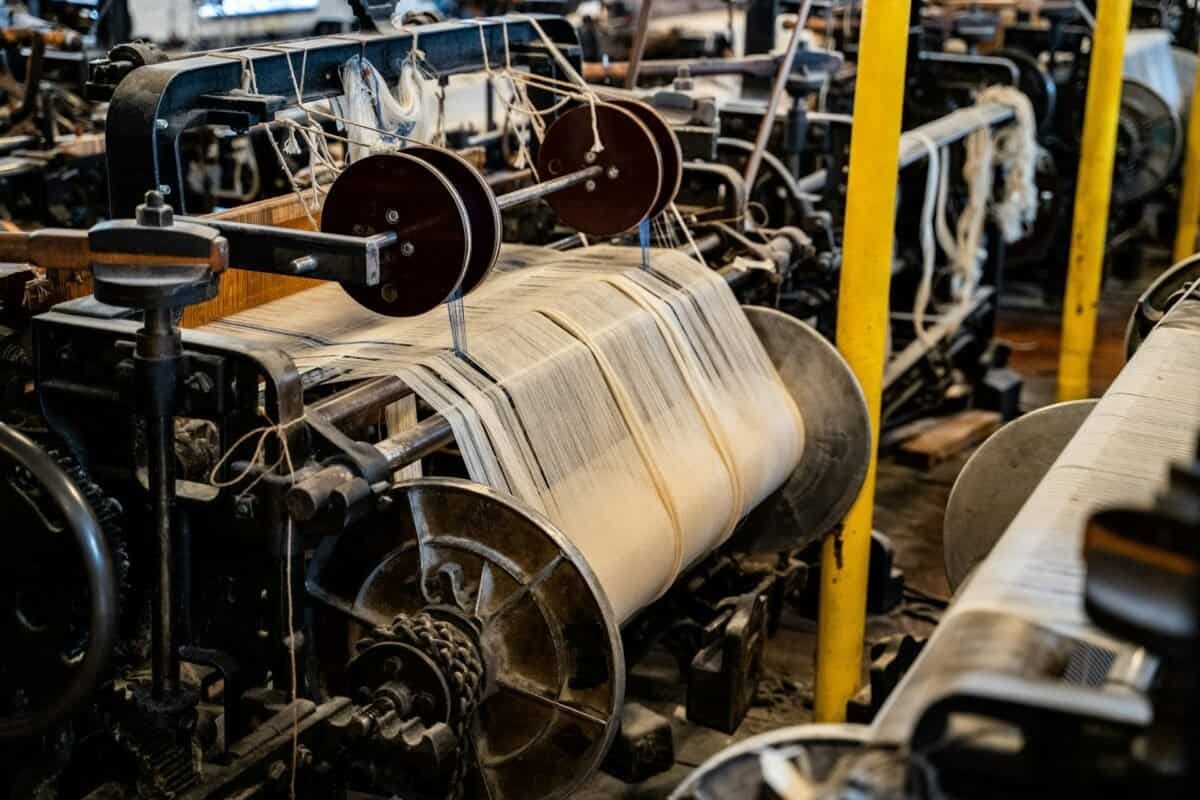
Building for Long-Term Performance
Sustainable improvement requires a different perspective.
It involves understanding that not all value is immediate, and not all progress is visible in the short term. Some changes need time to integrate into daily operations before their impact becomes clear.
In industrial environments, where stability and consistency are critical, this long-term view is particularly important.
The goal is not only to improve performance today, but to create systems that continue to perform reliably over time.
Conclusion
Not every improvement will produce instant results.
Some changes take time.
Some work quietly.
Some only become visible when problems stop occurring.
Recognizing the difference between immediate impact and long-term value is essential for making better decisions.
In the end, the effectiveness of an improvement is not defined by how quickly it shows results, but by how consistently it contributes to better performance.
About King Knit
At King Knit, we believe that meaningful improvement in industrial environments comes from steady, well-structured changes that support long-term performance. Consistency, stability, and continuous refinement are key to sustainable progress.
Learn more:
🌐 https://kingknitfactory.com
📩 client@kingknit.com