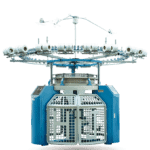
 Single jersey circular knitting machine
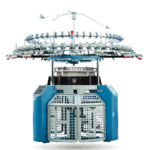 Single jersey computerized jacquard knitting machine
 Double Jersey circular knitting machine
 Rib tansfer electronic jacquard knitting machine
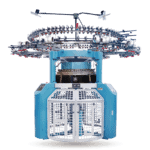 Double electronic jacquard circular knitting machine
 Double jersey computerized acquard circular knitting machine
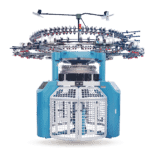 Double jersey mini jarquard knitting machine
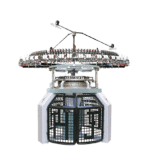 Reverse or face side terryknitting machine
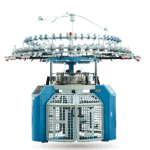 Terry electronic jacquard knitting machine(2/3ways)
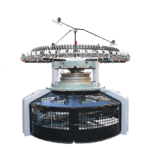 High speed open width double jersey knitting machine

 Automatic Linking intelligent socks knitting machine
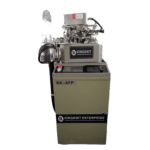 computerized plain socks knitting machine
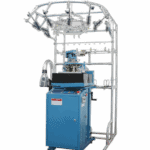 Double cylinder sock knitting machine


 Single jaquard scarf&hat knitting machine



In business, decision-making is often seen as a rational process.
You gather data, compare options, evaluate risks, and choose the best path forward.
In reality, not all decisions follow this logic equally.
Some decisions are straightforward. Others are difficult — not because they are more complex, but because they involve uncertainty, trade-offs, and delayed consequences.
Understanding this difference is critical, especially in industrial and manufacturing environments.
Clear Decisions vs. Uncertain Decisions
Some decisions are relatively easy to make.
For example:
- Choosing between suppliers with clear price differences
- Adjusting production based on confirmed orders
- Following processes that have already been tested
These decisions rely on available data and predictable outcomes. The variables are known, and the risks are limited.
But not all decisions offer this clarity.

When Trade-Offs Replace Certainty
More challenging decisions usually involve trade-offs rather than clear answers.
Consider situations like:
- Choosing between a lower-cost supplier with uncertain reliability and a higher-cost partner with consistent performance
- Expanding production capacity to capture potential demand versus maintaining current scale to avoid operational pressure
- Accepting a large order with tight deadlines versus protecting existing production schedules
In these cases, there is no objectively “correct” option.
Each choice involves giving something up.
Lower cost may increase risk.
Faster growth may reduce control.
New opportunities may disrupt stability.
The difficulty lies in balancing these trade-offs.
The Role of Uncertainty
What makes these decisions particularly challenging is uncertainty.
There is often:
- No complete data
- No guaranteed outcome
- No immediate feedback
In manufacturing and industrial operations, decisions frequently play out over weeks or months. The impact of a choice — good or bad — may only become visible later.
This delay makes it harder to learn quickly and increases the pressure on decision-makers.

Real-World Impact in Industrial Environments
In industrial businesses, decision-making directly affects operations.
A single choice can influence:
- Production stability
- Delivery timelines
- Customer relationships
- Internal workload
For example, accepting a high-volume order might increase short-term revenue, but also strain machines, operators, and scheduling systems.
Similarly, choosing a cheaper supplier might reduce immediate cost, but introduce variability that affects long-term production consistency.
These are not theoretical scenarios — they are daily realities in manufacturing environments.
Good Decisions Are About Trade-Off Awareness
One common misconception is that strong decision-makers always choose the “right” option.
In reality, good decisions are often about understanding trade-offs clearly.
What are you gaining?
What are you risking?
What are you delaying or sacrificing?
The quality of a decision is not only defined by the outcome, but by the clarity behind the choice.

Long-Term Thinking vs. Short-Term Pressure
Another factor that makes decisions difficult is the tension between short-term results and long-term stability.
Short-term gains can be visible and measurable.
Long-term consequences are often uncertain and delayed.
In industrial sectors, companies that consistently prioritize long-term stability tend to build stronger operational foundations.
This does not mean avoiding risk entirely. It means choosing which risks are worth taking.
Conclusion
Not all decisions are difficult.
But the ones that shape a business usually are.
They involve uncertainty, trade-offs, and delayed outcomes. They require judgment, not just data.
In the end, effective decision-making is not about eliminating difficulty — it is about navigating it with clarity and awareness.
About King Knit
At King Knit, we understand that industrial decision-making often involves balancing opportunity and risk. Sustainable progress comes from making clear, structured choices that support long-term stability.
Learn more:
🌐 https://kingknitfactory.com
📩 client@kingknit.com