 Single jersey circular knitting machine
 Single jersey computerized jacquard knitting machine
 Double Jersey circular knitting machine
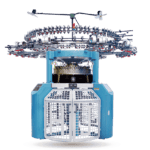 Rib tansfer electronic jacquard knitting machine
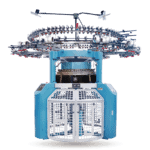 Double electronic jacquard circular knitting machine
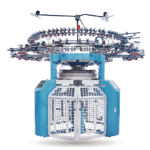 Double jersey computerized acquard circular knitting machine
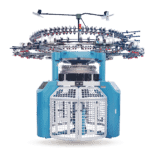 Double jersey mini jarquard knitting machine
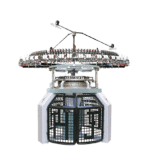 Reverse or face side terryknitting machine
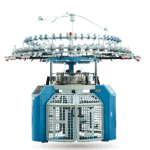 Terry electronic jacquard knitting machine(2/3ways)
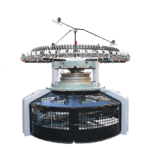 High speed open width double jersey knitting machine

 Automatic Linking intelligent socks knitting machine
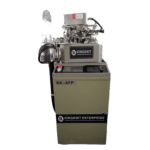 computerized plain socks knitting machine
 Double cylinder sock knitting machine
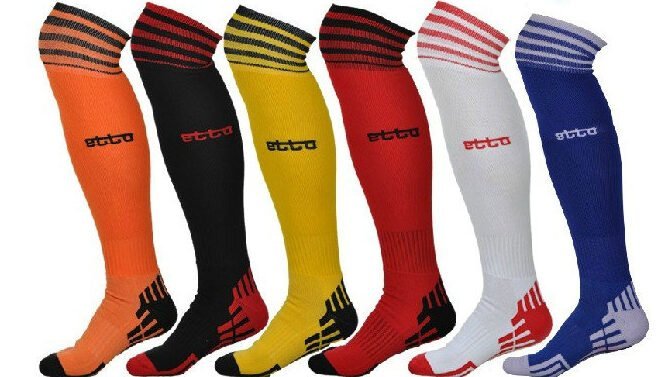

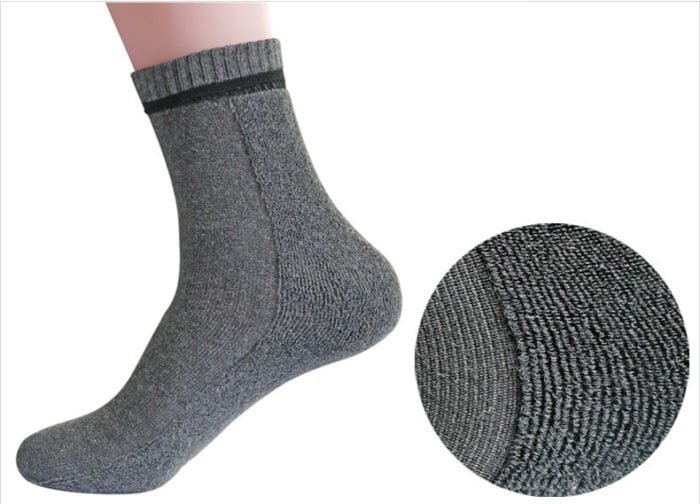
 Single jaquard scarf&hat knitting machine



Why Textile Factories Are Becoming More Data-Driven
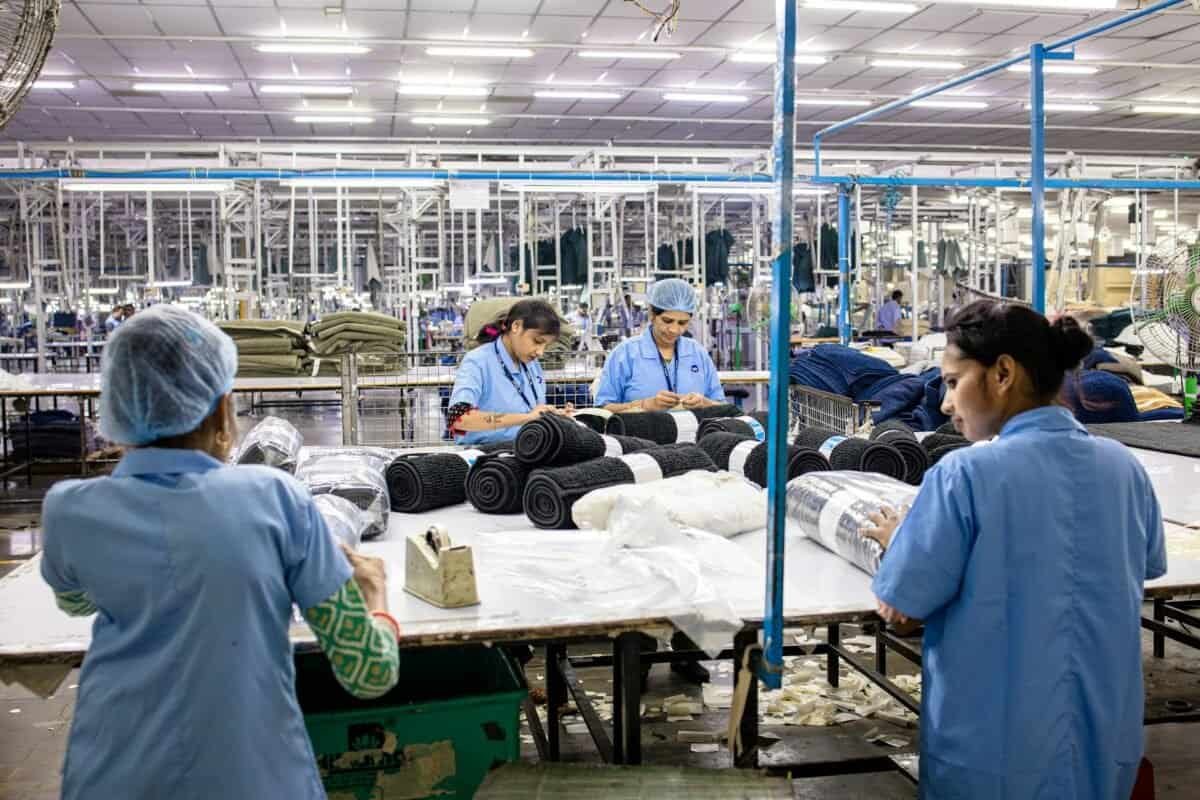
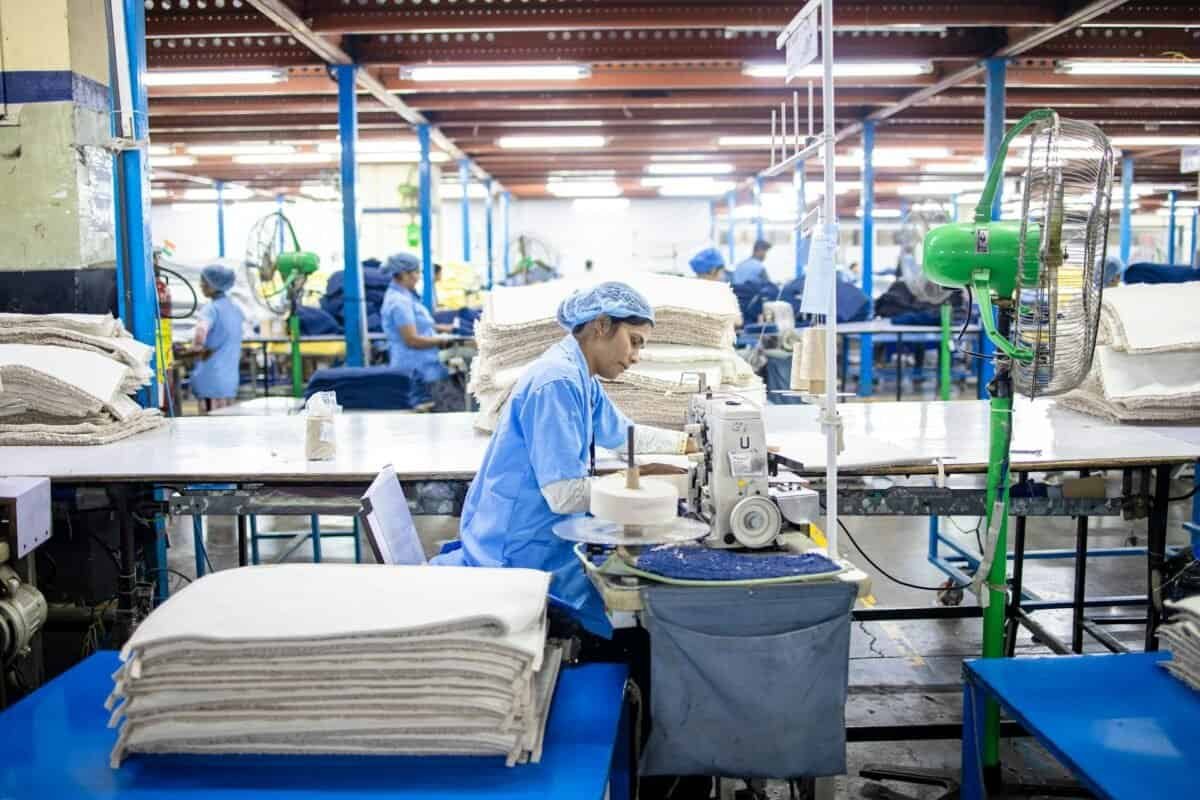
The textile manufacturing industry has traditionally been built on mechanical precision, production experience, and operational discipline. For decades, factory performance depended heavily on machine capability, operator skill, and production management.
Today, another factor is becoming increasingly important: data.
Modern textile factories are gradually shifting toward more data-driven operations, not because of trends alone, but because production environments are becoming more complex, competitive, and efficiency-focused.
As manufacturing expectations rise, factories are relying more on operational data to improve stability, reduce downtime, and make better production decisions.
The Growing Complexity of Textile Production
Textile production is no longer defined only by output volume.
Factories today must balance multiple variables simultaneously:
- Production efficiency
- Product consistency
- Delivery timelines
- Machine utilization
- Energy consumption
- Maintenance scheduling
At the same time, customer expectations for quality and delivery reliability continue to increase.
Managing these variables through observation alone is becoming increasingly difficult, especially in high-speed or large-scale production environments.
This is one reason why data-driven manufacturing is gaining importance across the textile industry.
What “Data-Driven” Actually Means
In manufacturing, being data-driven does not simply mean collecting information.
Factories already generate enormous amounts of data every day through machines, production systems, maintenance records, and quality inspections. The challenge is turning that information into actionable insight.
A data-driven factory uses operational information to support decision-making in real time.
This can include:
- Monitoring machine performance trends
- Tracking production consistency
- Identifying abnormal operating patterns
- Predicting maintenance needs
- Measuring production efficiency more accurately
Instead of relying entirely on reactive responses, factories can identify problems earlier and make adjustments before disruptions become serious.
Machine Monitoring Is Becoming More Important
One of the clearest examples of this shift is machine monitoring.
Modern textile machinery can generate continuous operational data related to:
- Running speed
- Temperature changes
- Motor load
- Production rhythm
- Error frequency
- Downtime duration
When analyzed properly, this information helps factories understand not only when problems occur, but why they occur.
For example, a gradual increase in machine adjustments may indicate developing instability long before production quality is visibly affected.
This level of visibility allows manufacturers to improve operational control and reduce unexpected interruptions.

Data Supports More Stable Production
In textile manufacturing, consistency is often more valuable than short-term production peaks.
Data-driven systems help factories maintain stable operation by reducing variability within production processes.
Instead of reacting after quality issues appear, manufacturers can monitor patterns that indicate changing conditions earlier in the process.
This is especially important in continuous production environments where small deviations can gradually influence large production volumes over time.
The goal is not only higher output, but more predictable output.
Human Experience Still Matters
Despite the rise of digital systems, textile manufacturing still depends heavily on human experience.
Data alone does not solve production problems. Interpretation, operational judgment, and technical understanding remain essential.
Experienced technicians often recognize patterns before they become visible in reports. The most effective factories combine operational experience with data visibility rather than relying entirely on one or the other.
Technology improves awareness, but decision-making still requires human understanding.

The Future of Textile Manufacturing
As automation, AI, and machine connectivity continue to develop, textile factories are expected to become even more data-oriented.
However, the future is unlikely to be fully automated production without human involvement. Instead, successful factories will likely focus on integrating intelligent systems that improve operational control while maintaining flexibility and production reliability.
In this environment, data becomes less about technology itself and more about visibility, predictability, and long-term efficiency.
How King Knit Views Data-Driven Manufacturing
At King Knit, we believe the future of textile manufacturing will increasingly depend on the ability to combine advanced machinery with intelligent operational insight.
Modern textile production requires more than machine speed alone. Stability, monitoring capability, and production visibility are becoming equally important for long-term efficiency and consistent output.
As the industry evolves, we continue paying close attention to how data-driven technologies can support more reliable and efficient textile manufacturing environments.
Learn more:
🌐 https://kingknitfactory.com
📩 client@kingknit.com