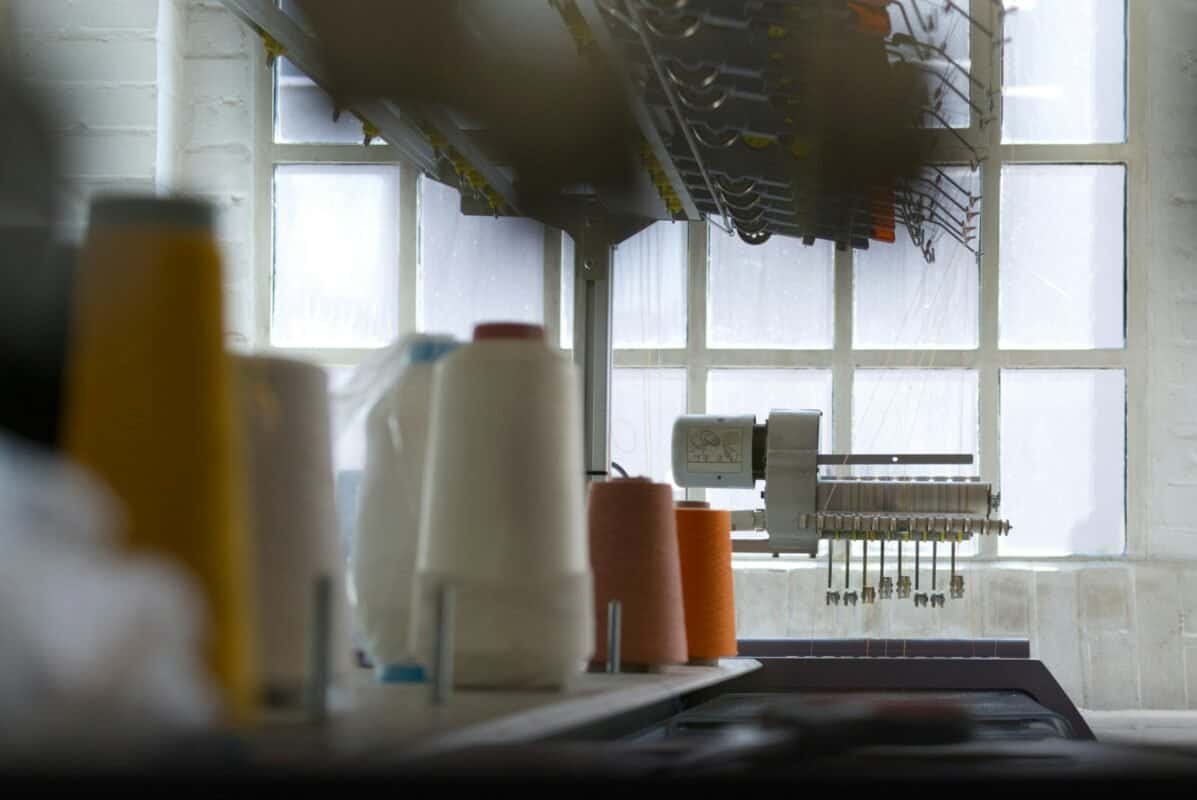
 Single jersey circular knitting machine
 Single jersey computerized jacquard knitting machine
 Double Jersey circular knitting machine
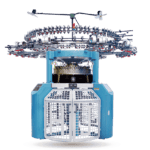 Rib tansfer electronic jacquard knitting machine
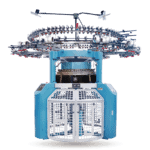 Double electronic jacquard circular knitting machine
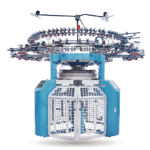 Double jersey computerized acquard circular knitting machine
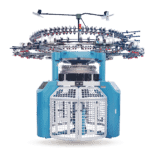 Double jersey mini jarquard knitting machine
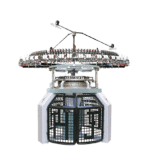 Reverse or face side terryknitting machine
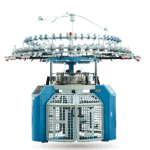 Terry electronic jacquard knitting machine(2/3ways)
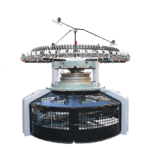 High speed open width double jersey knitting machine

 Automatic Linking intelligent socks knitting machine
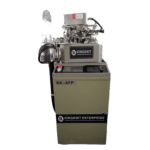 computerized plain socks knitting machine
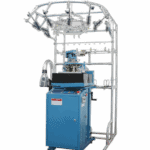 Double cylinder sock knitting machine


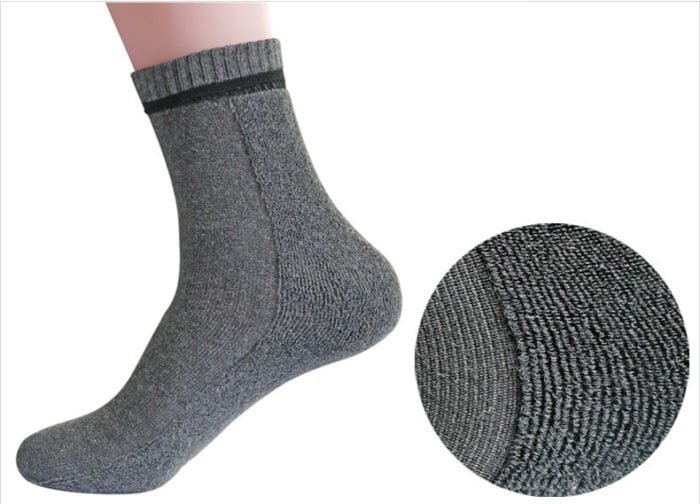
 Single jaquard scarf&hat knitting machine




Artificial Intelligence has become one of the most discussed topics in modern manufacturing. From fully automated factories to predictive systems capable of “thinking” independently, AI is often presented as a revolutionary force that will completely transform industrial production.
But behind the headlines and marketing language, many manufacturers are asking a more practical question:
Where does AI actually create value in real production environments?
In reality, successful AI implementation in manufacturing is rarely about replacing entire systems overnight. The most effective applications are usually focused, practical, and integrated into existing operations rather than built around unrealistic expectations.
The Shift From Concept to Practical Use
For many years, discussions around AI in manufacturing remained highly theoretical. Today, the conversation is becoming more operational.
Factories are no longer asking whether AI sounds impressive. They are asking whether it can reduce downtime, improve consistency, or support production decisions more effectively.
This shift is important because manufacturing environments operate differently from digital industries. Production lines depend on stability, repeatability, and long-term reliability. Any technology introduced into these systems must support operational consistency rather than create unnecessary complexity.
As a result, the most valuable AI applications are often the ones that solve specific industrial problems.
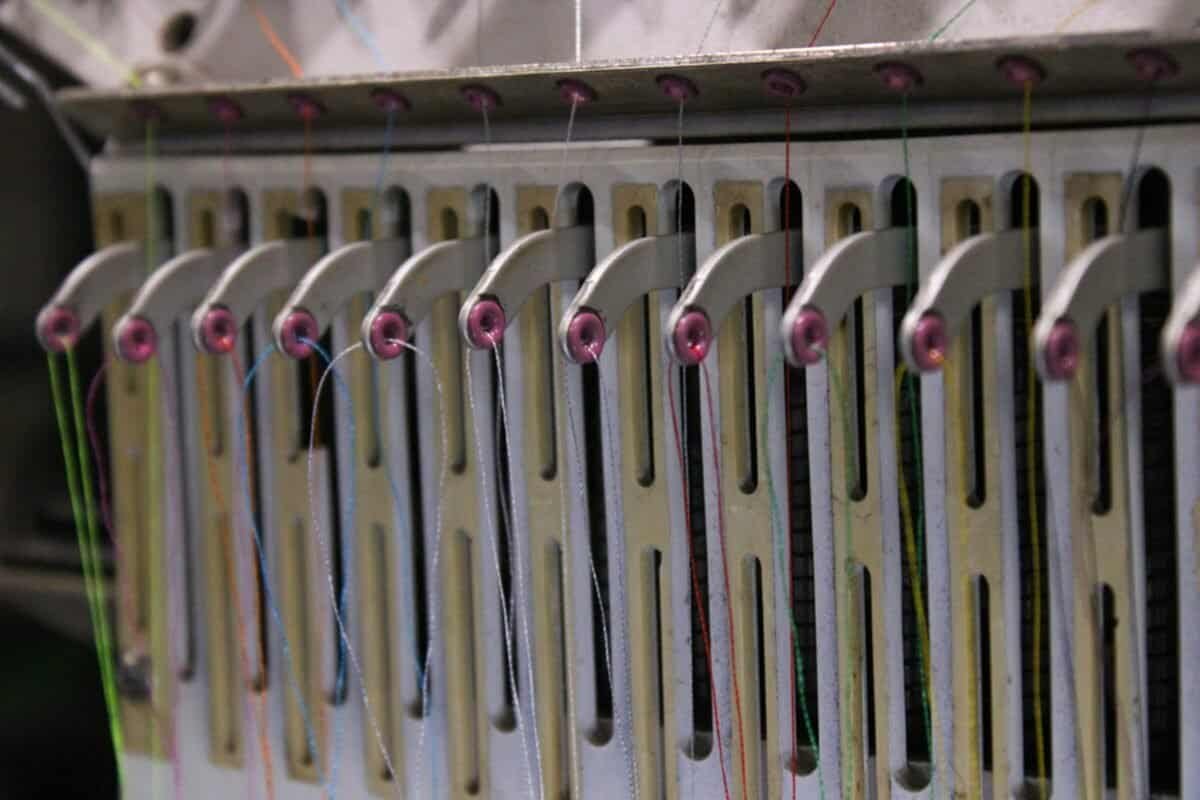
Predictive Maintenance and Equipment Monitoring
One of the clearest real-world applications of AI in manufacturing is predictive maintenance.
Industrial machinery generates continuous operational data through vibration, temperature, motor load, and running behavior. AI systems can analyze this information and identify patterns associated with wear, instability, or potential failure before major breakdowns occur.
Instead of reacting after a machine stops running, factories can schedule maintenance proactively.
This reduces unexpected downtime, improves production planning, and extends equipment lifespan.
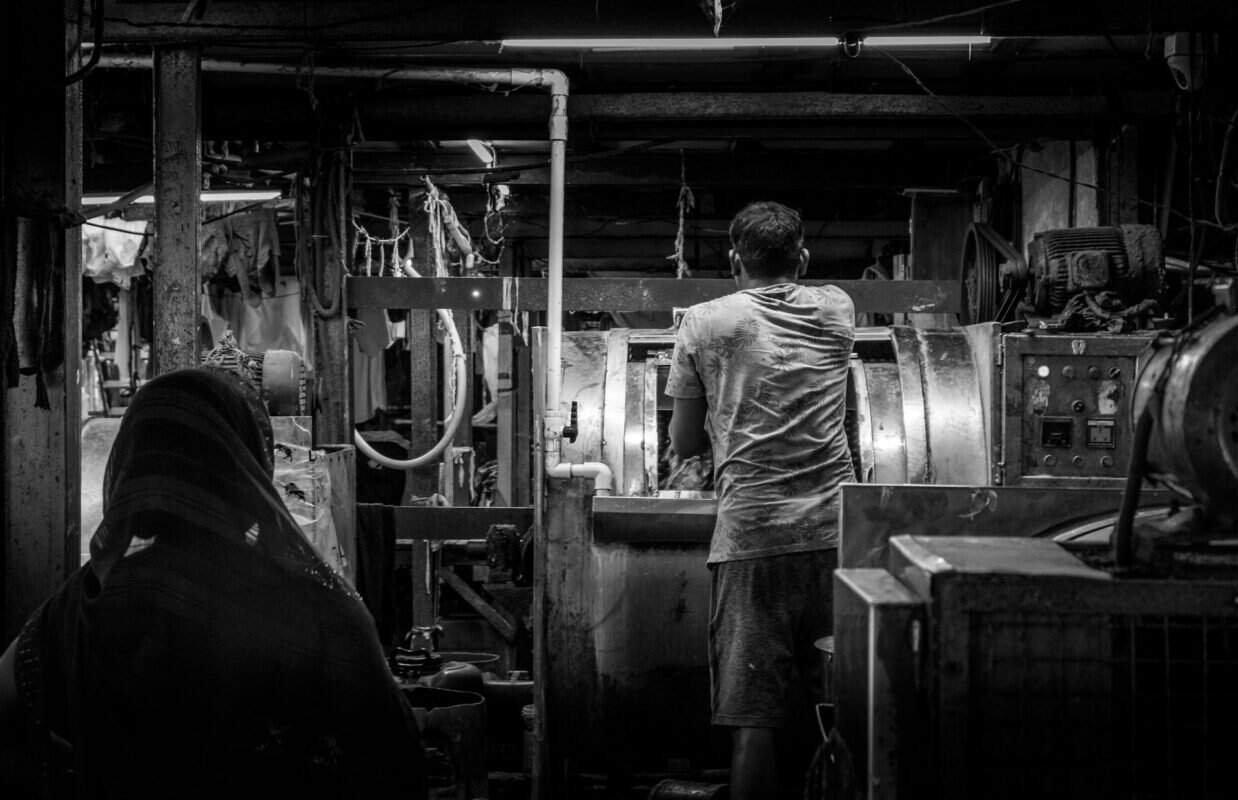
In textile manufacturing environments where machines often operate continuously for long production cycles, even small improvements in uptime can create meaningful gains in efficiency.
AI in Production Optimization
Another practical application is production optimization.
Modern factories generate large amounts of operational data every day. AI systems can help identify patterns that may not be obvious through manual observation alone.
For example:
- Changes in production rhythm
- Gradual increases in machine adjustment frequency
- Variations in output consistency
- Hidden relationships between operating conditions and quality performance
AI-driven analysis allows manufacturers to recognize inefficiencies earlier and make more informed operational decisions.
Importantly, this does not replace experienced technicians or production managers. Instead, it supports them by improving visibility into complex production behavior.

Quality Monitoring and Defect Detection
AI is also becoming increasingly useful in quality control.
Advanced inspection systems can analyze product images in real time and identify inconsistencies that may be difficult to detect manually during high-speed production.
In textile manufacturing, where consistency is critical, AI-assisted monitoring can help reduce defect rates and improve quality stability across large production volumes.
This is especially valuable in continuous production environments where small deviations can gradually affect final product quality.
What AI Still Cannot Replace
Despite rapid development, AI still has limitations in industrial production.
Manufacturing environments involve constant real-world variability:
- Material differences
- Environmental conditions
- Operator decisions
- Production adjustments during operation
Experienced human judgment remains essential for managing these dynamic conditions.
AI can process data quickly, but it does not fully replace operational understanding built through years of production experience.
The most effective manufacturing environments combine technology with human expertise rather than treating them as competing forces.

The Real Future of AI in Manufacturing
The future of AI in manufacturing is unlikely to be fully autonomous factories operating without human involvement.
Instead, the more realistic direction is intelligent support systems that improve decision-making, reduce operational instability, and help manufacturers manage increasingly complex production environments.
Factories that approach AI pragmatically — focusing on measurable operational improvements rather than trends — are more likely to achieve sustainable long-term benefits.
In manufacturing, successful innovation is rarely about replacing everything. It is about improving what already works.
How King Knit Applies Technology in Modern Textile Machinery
At King Knit, we closely follow the practical development of AI and intelligent manufacturing technologies within the textile machinery industry.
Rather than treating AI as a marketing concept, we focus on how intelligent systems can support real production environments — including machine monitoring, operational stability, maintenance management, and production efficiency optimization.
In modern textile manufacturing, reliable production depends not only on machine speed, but also on consistency, data visibility, and long-term operational control. As manufacturing technologies continue to evolve, we believe the combination of advanced machinery and intelligent production support will play an increasingly important role in helping factories improve efficiency and maintain stable output.
Learn more:
🌐 https://kingknitfactory.com
📩 client@kingknit.com