 Single jersey circular knitting machine
 Single jersey computerized jacquard knitting machine
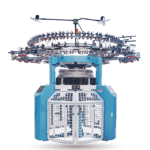 Double Jersey circular knitting machine
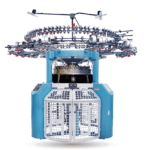 Rib tansfer electronic jacquard knitting machine
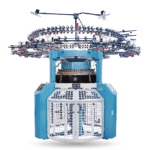 Double electronic jacquard circular knitting machine
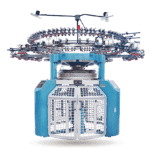 Double jersey computerized acquard circular knitting machine
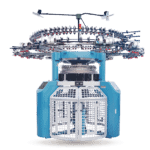 Double jersey mini jarquard knitting machine
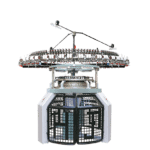 Reverse or face side terryknitting machine
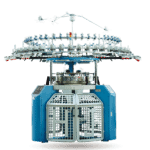 Terry electronic jacquard knitting machine(2/3ways)
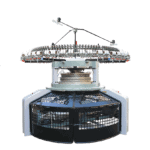 High speed open width double jersey knitting machine

 Automatic Linking intelligent socks knitting machine
 computerized plain socks knitting machine
 Double cylinder sock knitting machine
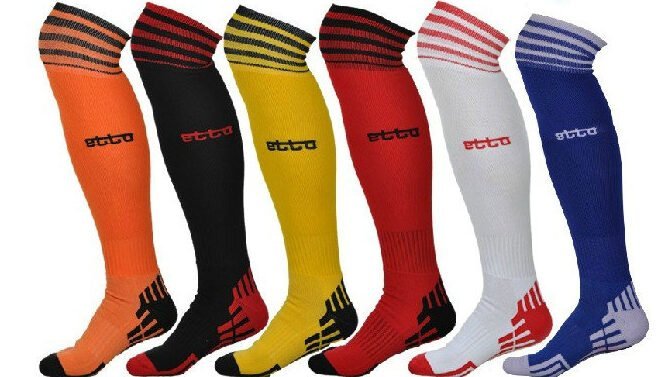

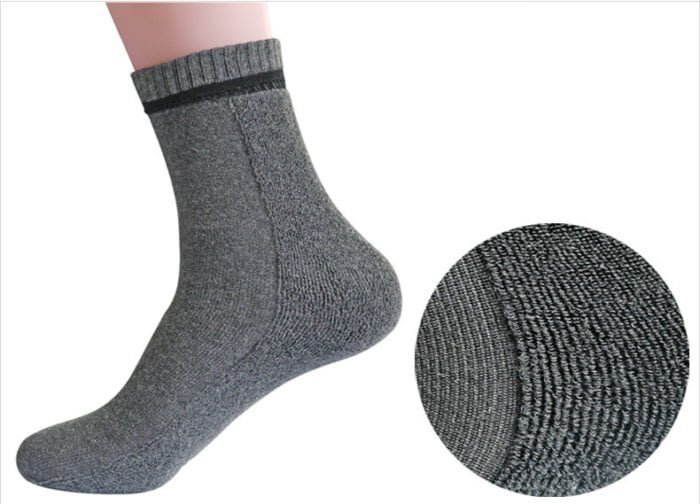
 Single jaquard scarf&hat knitting machine
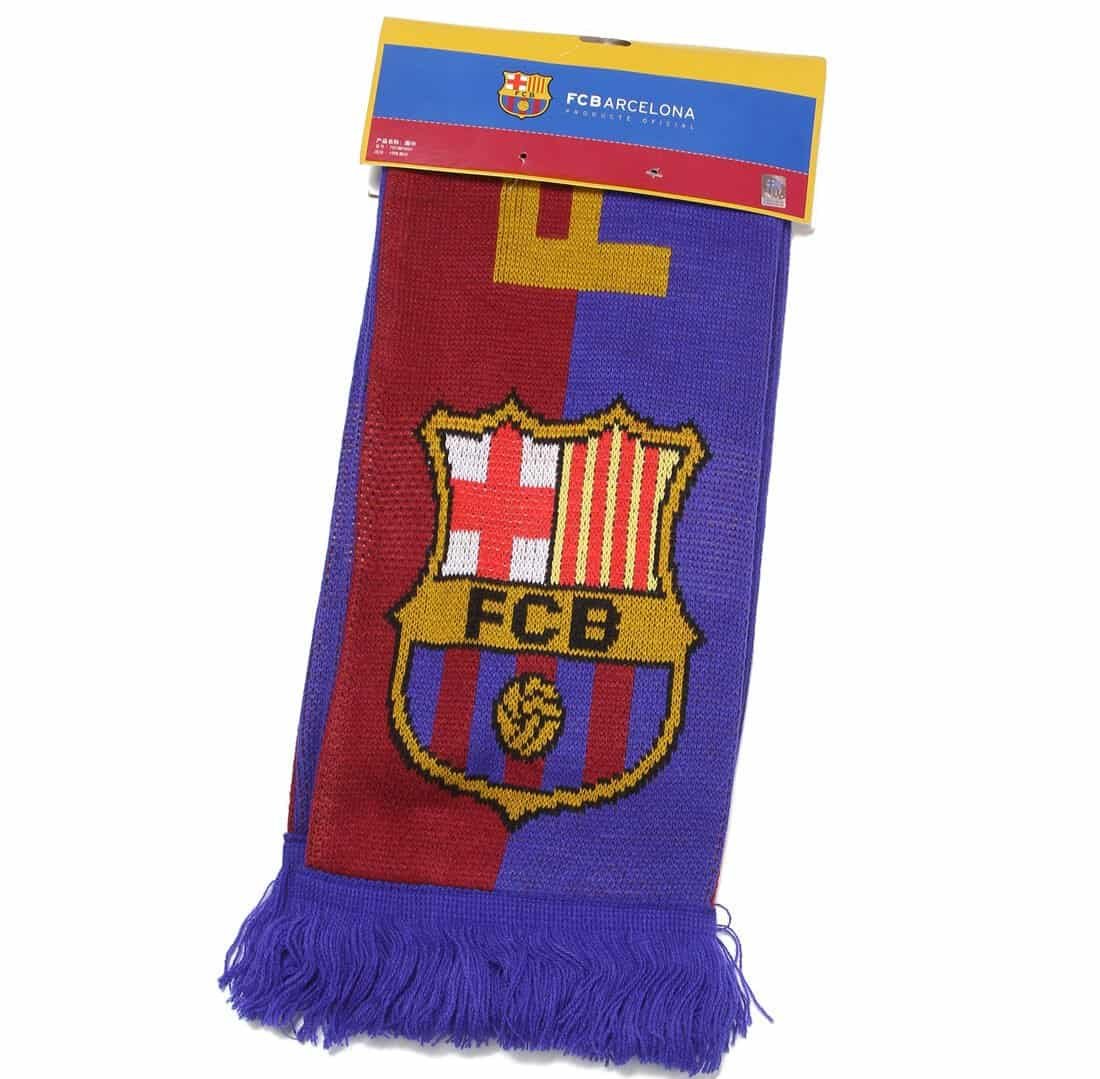
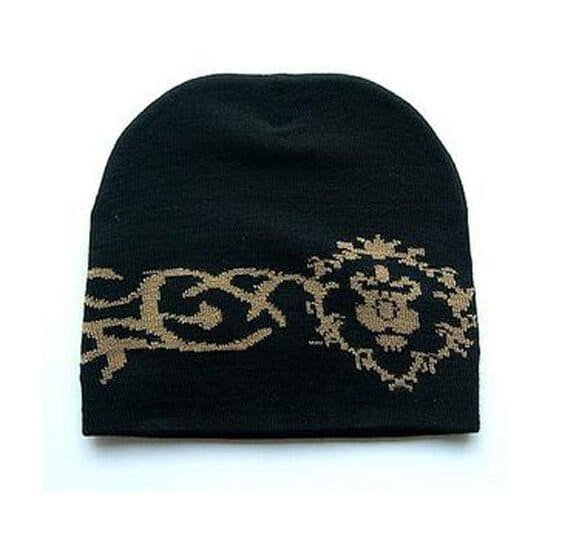


In textile manufacturing, producing a good product once is important. Being able to reproduce the same quality consistently across multiple production runs is even more important.
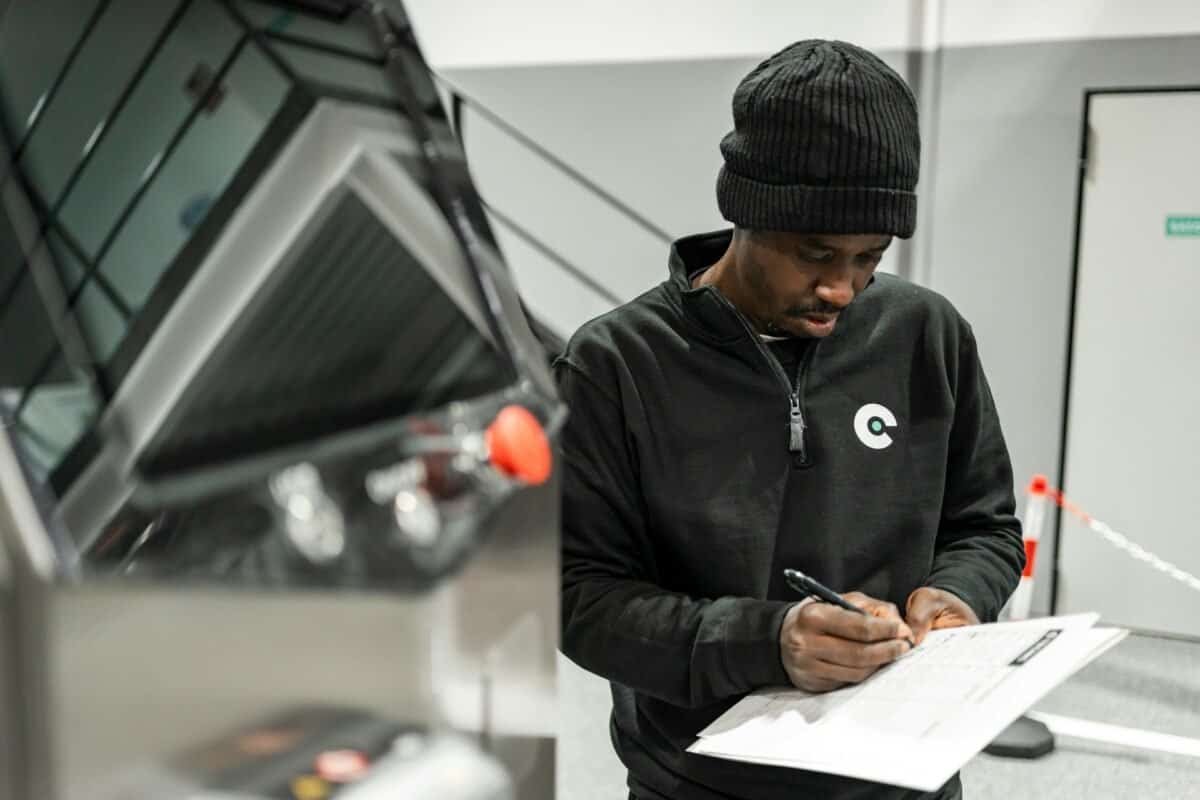
After years of working in the textile machinery industry, I’ve come to believe that one factor is often underestimated in factory management: production records.
Many manufacturers have experienced situations where a product runs smoothly during one production cycle but requires repeated adjustments when the same order comes back several weeks or months later.
Sometimes the operator has changed. Sometimes the yarn batch is different. In other cases, the original machine settings or production adjustments were never properly documented.
These situations can create unnecessary trial and error.
For me, production records are not just paperwork. They are an important part of building a repeatable and well-organized manufacturing process.
1. Record Machine Settings for Different Products
Different knitted products require different machine configurations and operating parameters.
A factory producing socks, scarves, hats, or gloves may work with different machine models, product structures, yarn specifications, and production requirements.
For example, when operating a sock knitting machine, relevant records may include product programs, machine configurations, yarn specifications, and settings associated with different sock designs.
For a scarf knitting machine or hat knitting machine, production records may also include the relevant pattern information, dimensions, and setup requirements.
Keeping these records makes it easier for operators and technicians to refer to previous production settings when the same or a similar product is manufactured again.
It also reduces dependence on memory and makes production preparation more organized.
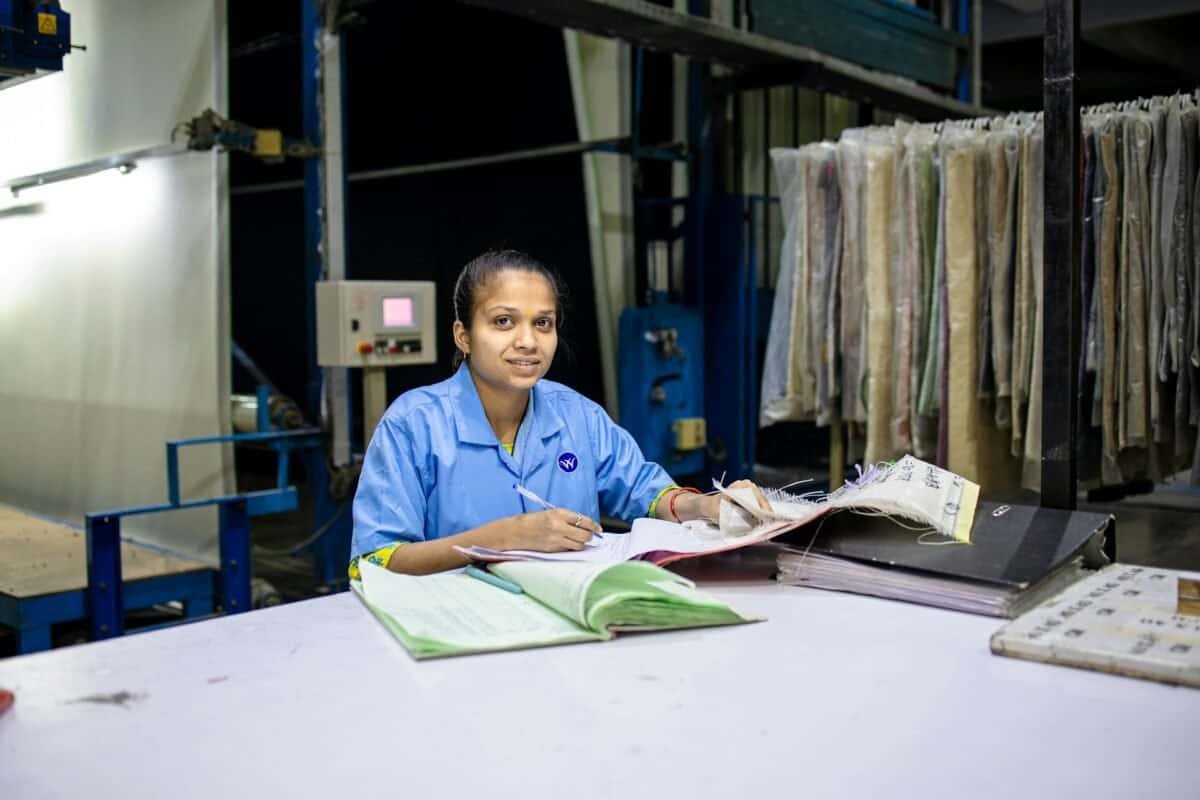
2. Keep Track of Yarn and Material Information
Machine settings are only part of the production process. Material information also matters.
Different yarn batches can have variations in thickness, strength, elasticity, and other characteristics. These differences may affect machine operation and the appearance of finished products.
For factories using knitting machines, recording material information can help identify possible reasons for changes in production performance or product quality.
Useful information may include:
- Yarn type and specifications
- Supplier and material batch
- Yarn consumption
- Material inspection results
- Production date and order reference
When a quality issue occurs, these records provide useful information for comparing production conditions and investigating possible causes.
This is particularly valuable for manufacturers producing multiple product styles or working with different material suppliers.
3. Document Machine Adjustments and Technical Problems
During real production, adjustments are sometimes necessary.
Operators may need to make changes based on product requirements, material characteristics, or machine operating conditions.
However, if these adjustments are not recorded, the knowledge gained during production may disappear when the operator changes or the next production run begins.
I believe it is important to document significant adjustments, including:
- What problem occurred
- Which machine or production process was involved
- What adjustment was made
- Whether the adjustment solved the problem
- Whether further action is required
This information can help technicians understand previous issues instead of starting the investigation from zero every time.
For a textile factory operating multiple sock knitting machines, glove knitting machines, or circular knitting machines, maintaining these technical records can be especially useful.
4. Use Production Records to Manage Repeat Orders
Repeat orders are an important part of many textile manufacturing businesses.
When customers reorder the same product, they generally expect consistent specifications, appearance, and quality.
Without proper records, operators may need to repeat part of the original setup process. This can increase preparation time and create differences between production batches.
With organized production records, manufacturers can refer to previous information about:
- Product specifications
- Machine setup
- Yarn selection
- Production parameters
- Quality inspection results
- Previous production adjustments
These records provide a practical reference for the next production run.
They do not eliminate the need for inspection or adjustment, especially when materials or operating conditions change. However, they provide a much better starting point.
For manufacturers serving international buyers, consistency between repeat orders can also help strengthen long-term customer relationships.
5. Production Data Helps Identify Operational Problems
Production records are useful for more than repeating previous orders. They can also help factory managers understand what is happening on the production floor.
By collecting information about output, machine downtime, defects, material consumption, and production time, manufacturers can identify patterns that may otherwise go unnoticed.
For example:
Production output: Comparing actual production across different shifts can help managers understand variations in performance.
Downtime records: Recording when machines stop and the reasons for interruptions can help identify recurring problems.
Quality records: Tracking product defects can help determine whether particular materials, machine settings, or production conditions are associated with quality issues.
Material consumption: Comparing planned and actual yarn consumption can help factories understand material usage and potential waste.
Over time, these records provide a more complete picture of factory operations.
6. Turn Individual Experience Into Shared Factory Knowledge
In many factories, experienced operators and technicians hold valuable knowledge.
They know which adjustments work for certain products, how to recognize unusual machine behavior, and how to handle common production problems.
The challenge is that this knowledge can remain with individuals instead of becoming part of the factory’s management system.
When experienced employees leave or responsibilities change, important information may be lost.
Documenting machine settings, operating procedures, maintenance activities, and technical adjustments helps transfer that experience to other team members.
This is particularly important for manufacturers operating different types of textile machinery, including sock knitting machines, scarf knitting machines, hat knitting machines, glove knitting machines, and circular knitting machines.
A factory becomes less dependent on individual memory when its technical knowledge is properly documented and shared.
7. Start With Simple and Practical Records
Not every textile factory needs an advanced digital management system from the beginning.
In my opinion, the most important thing is to establish a recording process that employees can actually follow.
Manufacturers can start with a few basic documents:
- Machine setup and configuration records
- Production order records
- Yarn and material batch records
- Machine maintenance logs
- Quality inspection records
- Production adjustment reports
As the factory grows, these records can gradually be organized into digital spreadsheets or integrated production management systems.
The goal is not to create unnecessary paperwork. It is to collect information that helps the factory make better decisions and repeat successful production processes.
Conclusion
In textile manufacturing, experience is valuable, but experience that is recorded and shared becomes even more valuable.
Production records help manufacturers maintain machine settings, track material information, understand technical problems, and reproduce products more consistently.
Whether a factory operates sock knitting machines, glove knitting machines, scarf knitting machines, hat knitting machines, or circular knitting machines, organized production information can support better manufacturing management.
At KingKnit Machine, we provide a range of textile machinery solutions for manufacturers around the world. We understand that machine performance is only one part of successful production. The way equipment, materials, operators, and production processes work together also matters.
I believe a well-managed factory should not rely entirely on someone’s memory or experience.
Good manufacturing experience should be documented, shared, and repeated.