 Single jersey circular knitting machine
 Single jersey computerized jacquard knitting machine
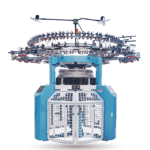 Double Jersey circular knitting machine
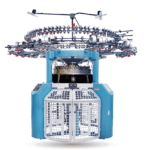 Rib tansfer electronic jacquard knitting machine
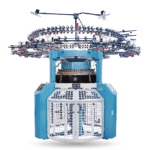 Double electronic jacquard circular knitting machine
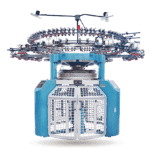 Double jersey computerized acquard circular knitting machine
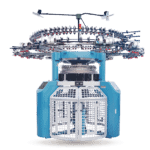 Double jersey mini jarquard knitting machine
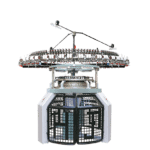 Reverse or face side terryknitting machine
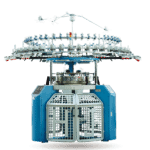 Terry electronic jacquard knitting machine(2/3ways)
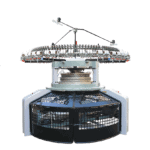 High speed open width double jersey knitting machine

 Automatic Linking intelligent socks knitting machine
 computerized plain socks knitting machine
 Double cylinder sock knitting machine
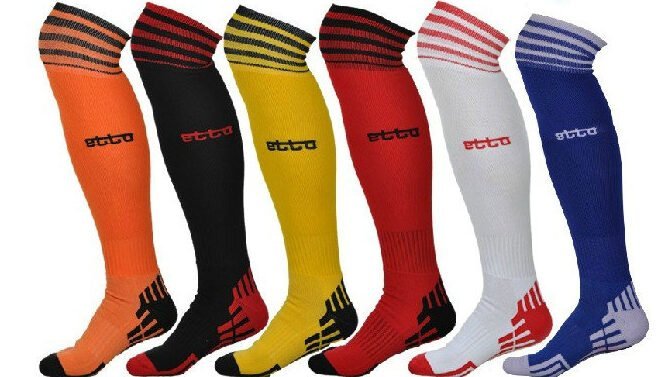

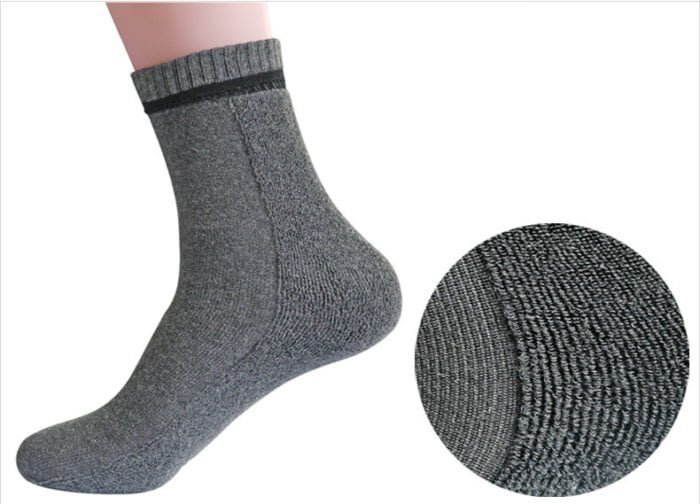
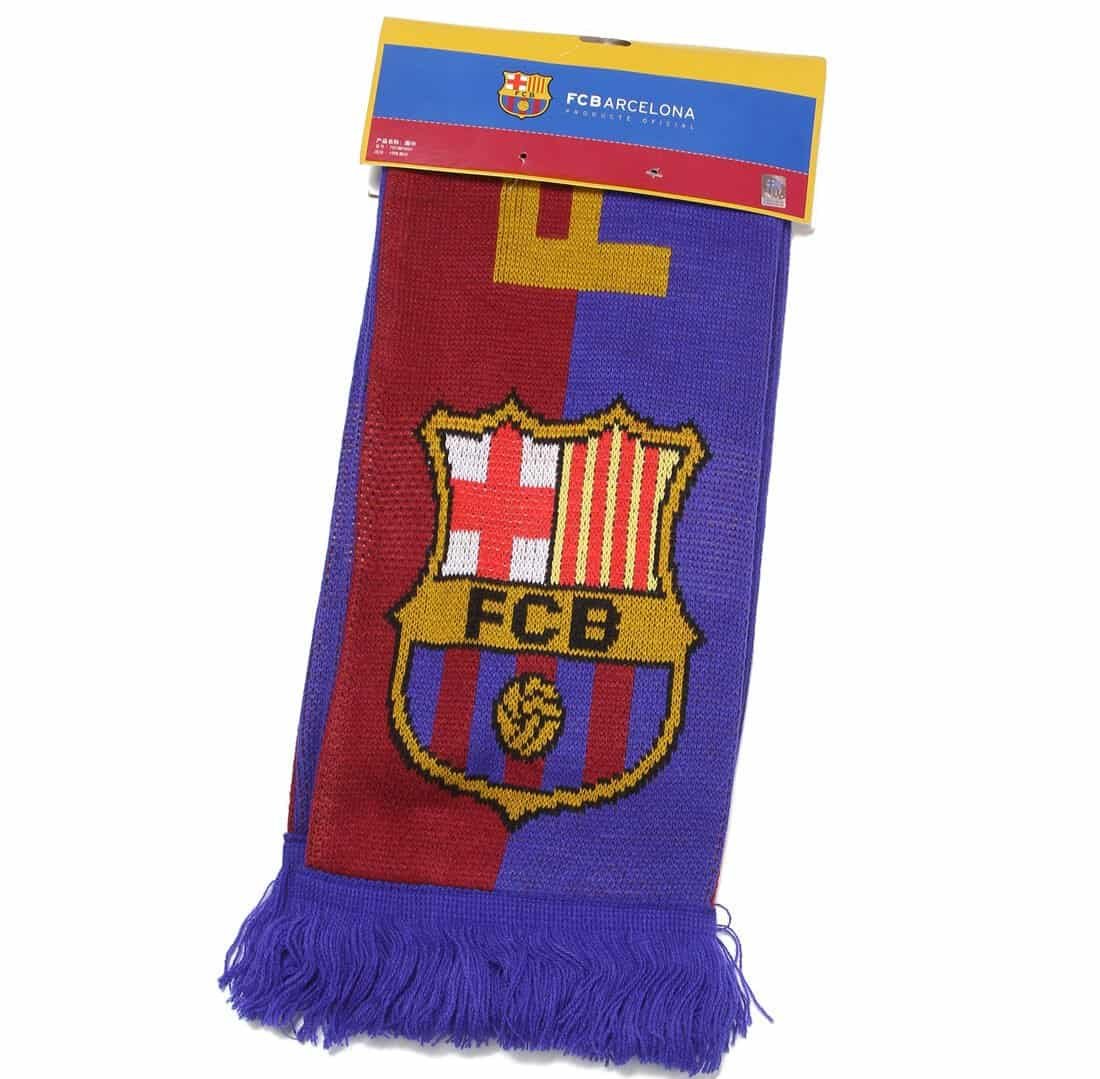
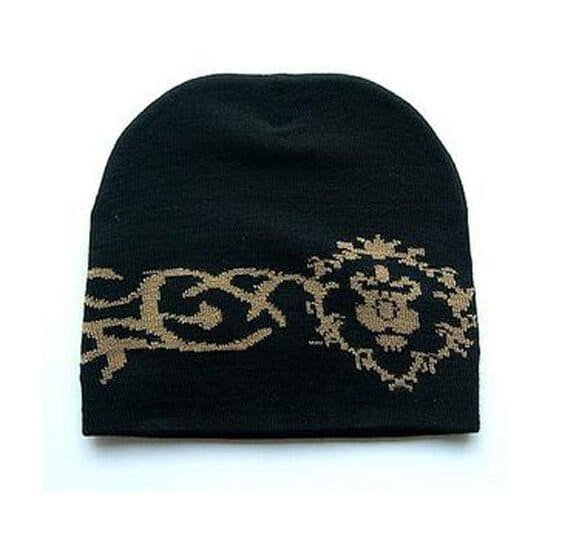
 Single jaquard scarf&hat knitting machine

Textile waste is often discussed as an environmental issue, but for manufacturers, it is also a production and cost-management challenge. Every rejected sock, damaged fabric section, broken yarn, or incorrectly knitted product represents material that has already consumed labor, machine time, energy, and production capacity.
For textile factories, reducing waste does not necessarily begin with investing in new recycling systems or changing raw materials. In many cases, meaningful improvements start much earlier — on the production floor, where machines, yarn, operating conditions, and quality control directly influence material consumption.
A stable production process helps manufacturers use raw materials more efficiently, reduce unnecessary rework, and maintain consistent product quality. This is particularly important in knitted textile production, where small variations during machine operation can affect the final product.
1. Why Production Waste Often Begins Before the Final Inspection
When manufacturers discuss textile waste, attention is often focused on defective products discovered during final inspection. However, by the time a product reaches inspection, the waste may have already occurred.
In knitting production, defects can develop at different stages. Incorrect machine settings, unstable yarn feeding, needle damage, unsuitable tension, or inconsistent machine operation can all affect fabric structure and product appearance.
For example, in sock manufacturing, an issue with yarn feeding or knitting tension may cause uneven stitches, holes, incorrect patterns, or inconsistent sizing. If the problem is not identified early, the machine may continue producing defective socks for an extended period.
The result is not simply a few rejected products. It may involve wasted yarn, additional inspection work, machine downtime, and delayed orders.
This is why production-floor waste management should focus on preventing defects rather than relying entirely on final product inspection. Identifying problems during production gives operators a better opportunity to correct them before more materials are consumed.
2. Machine Stability Has a Direct Impact on Material Utilization
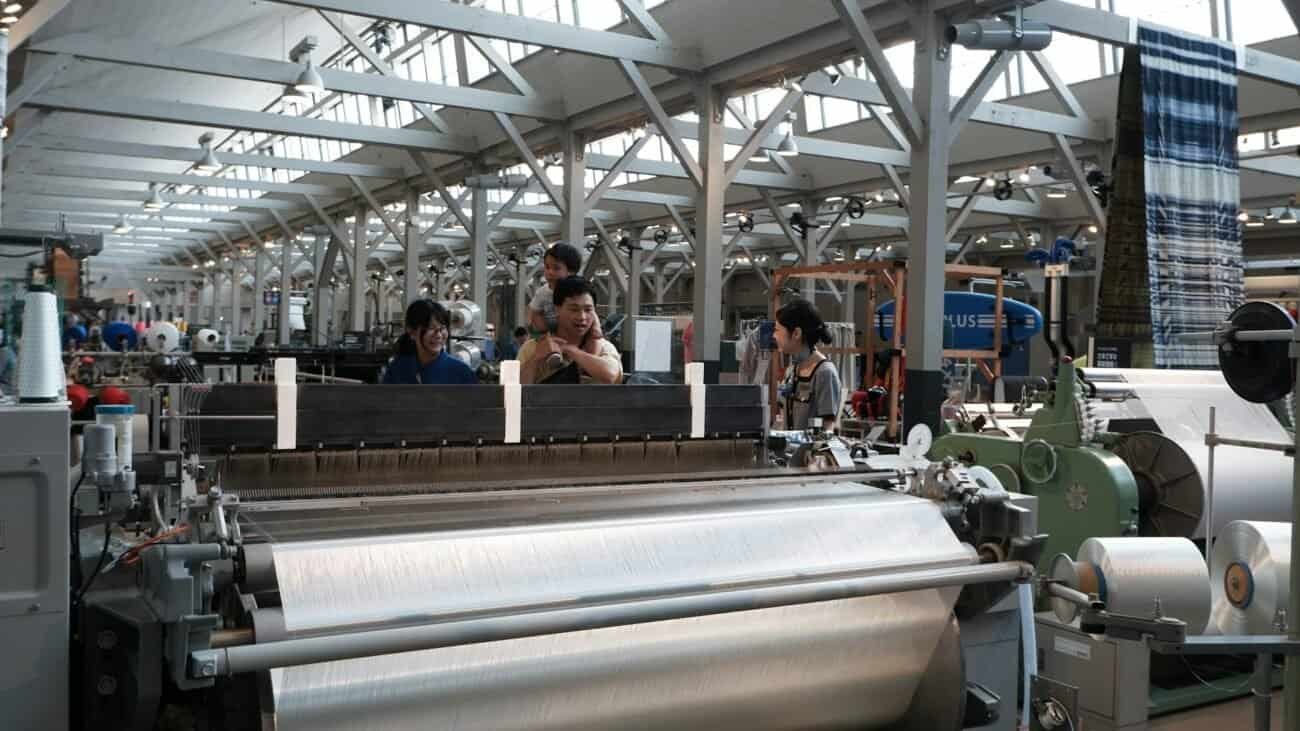
A knitting machine does more than determine production speed. Its operating stability also influences how efficiently raw materials are converted into finished products.
In continuous production, machine performance depends on several interacting factors, including mechanical condition, needle movement, yarn feeding, tension control, and the coordination of different knitting components.
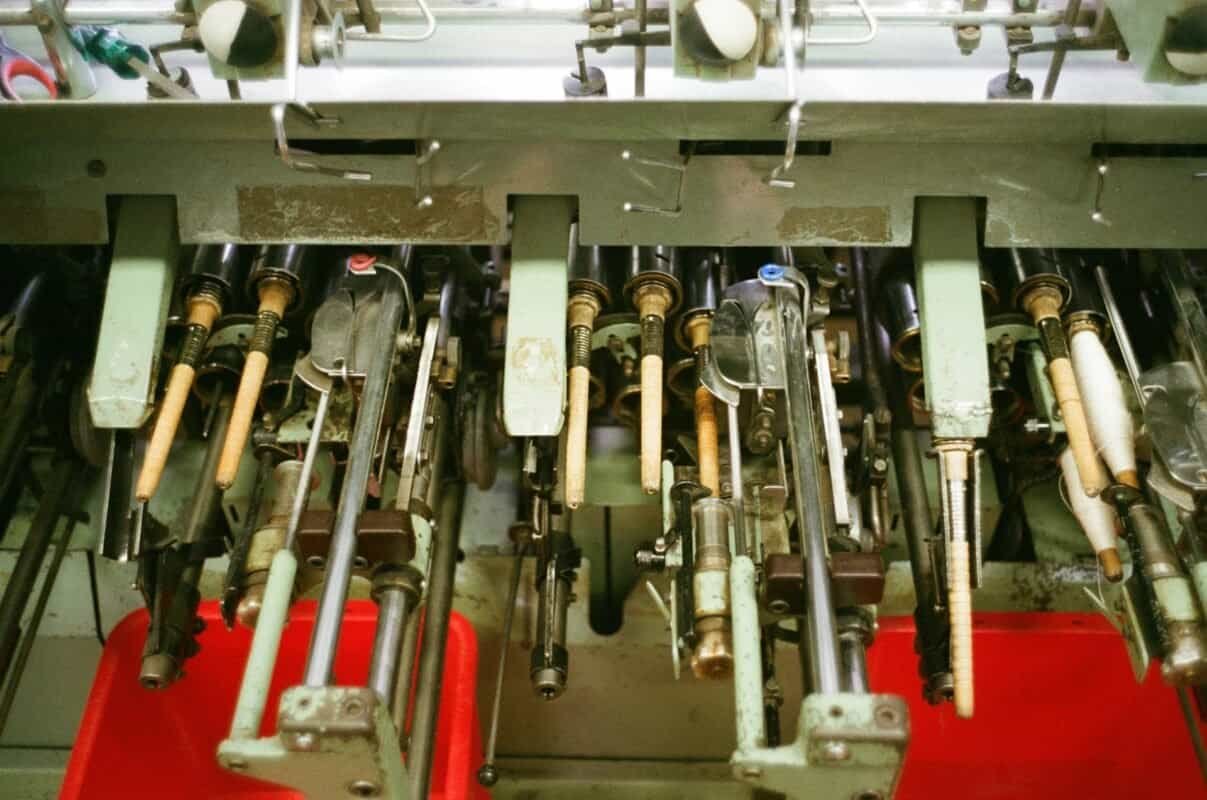
Even when a machine appears to be operating normally, small mechanical inconsistencies can gradually affect product quality. For example, worn needles may create irregular stitches, while unstable yarn feeding can lead to variations in fabric density.
These problems are not always immediately visible. Some defects only become noticeable after a certain number of products have been knitted or after the fabric has gone through subsequent processing.
Regular maintenance and appropriate machine adjustment therefore play an important role in material efficiency. Checking needle conditions, cleaning key components, monitoring yarn paths, and maintaining consistent operating parameters can help reduce avoidable production defects.
For textile factories, the objective should not be to operate machines at the highest possible speed at all times. It should be to maintain a production rhythm that balances output, quality, and material consumption.
3. Yarn Selection and Feeding Conditions Should Be Considered Together
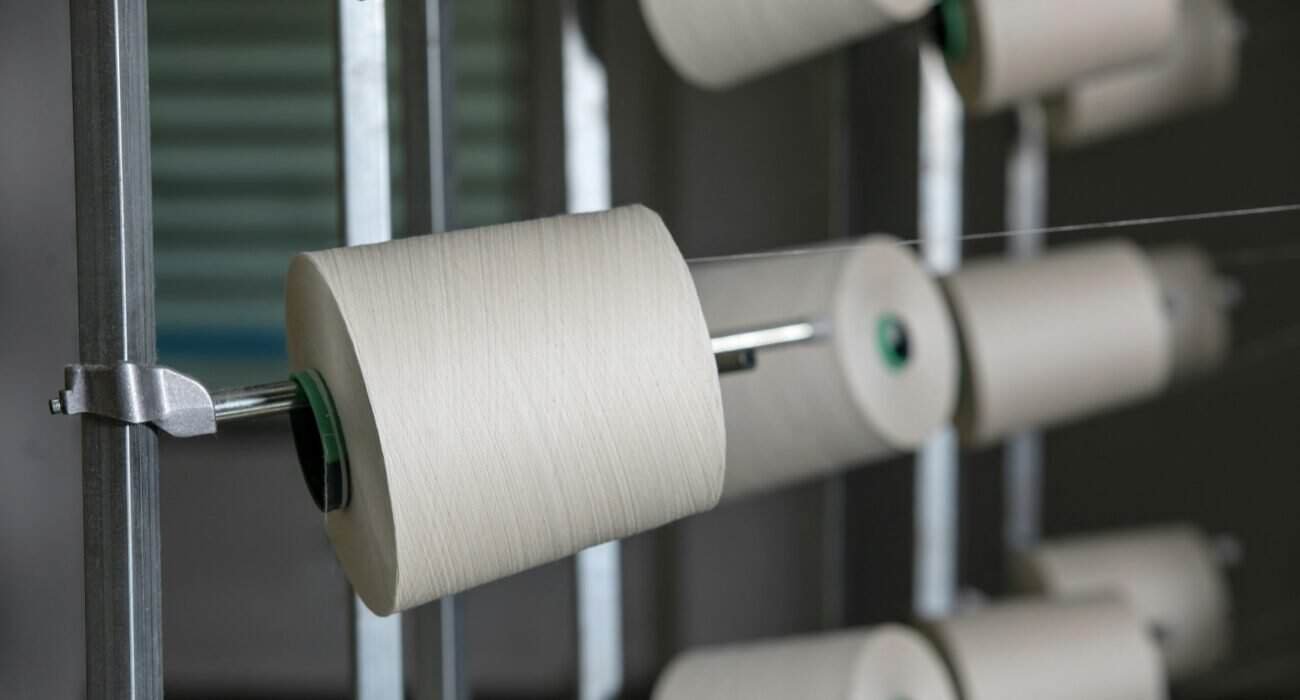
Yarn is one of the most important variables in knitting production. Different yarn materials, counts, elasticity levels, and surface characteristics can behave differently during the knitting process.
A machine setting that works well with one yarn may not deliver the same result with another. Differences in yarn friction, elasticity, thickness, and even package condition can influence feeding stability and knitting tension.
This is particularly relevant when manufacturers change yarn suppliers, introduce new product specifications, or switch between different sock styles.
If yarn characteristics are not properly considered, operators may encounter frequent yarn breakage, uneven loops, inconsistent fabric density, or other quality problems. Repeatedly adjusting the machine without understanding the yarn’s behavior can also create unnecessary production interruptions.
A more effective approach is to evaluate yarn properties together with machine settings before starting mass production. Trial knitting, checking fabric structure, and observing machine behavior during continuous operation can help operators identify suitable parameters.
This process may require additional preparation time, but it can prevent much larger material losses during full-scale production.
4. Early Defect Detection Is More Effective Than Repeated Rework
Not every production defect can be completely avoided. However, the speed at which a factory identifies and responds to problems makes a significant difference.
If a defect is discovered immediately, operators may only need to adjust a machine setting or replace a damaged component. If the same defect continues unnoticed, the factory may need to separate a larger quantity of products, inspect them individually, or reject them entirely.
For this reason, quality control should not be limited to finished products. It should also be part of the production process.
Operators can regularly check the first products after a machine adjustment, observe changes in knitting quality, and monitor recurring issues during longer production runs. Recording common defects and their causes can also help maintenance teams identify patterns instead of repeatedly solving the same problem.
For factories operating multiple machines, consistent inspection procedures are especially valuable. They help supervisors understand whether a problem is related to one machine, a particular yarn batch, a specific product design, or broader production conditions.
The earlier a problem is detected, the less material and production time are likely to be affected.
5. Production Planning Also Influences Textile Waste
Machine performance is only one part of material efficiency. Production planning can also influence how much material is wasted.
Frequent changes in product specifications, poorly organized production schedules, and insufficient preparation before switching between orders can increase adjustment time and create additional trial products.
For example, when a sock factory changes from one design to another, operators may need to modify machine programs, yarn arrangements, color combinations, or other production parameters. If the necessary information is not prepared in advance, repeated adjustments may be required before the machine produces acceptable results.
A more organized production schedule allows factories to prepare materials, programs, and machine configurations before each production change.
It also helps maintenance teams plan inspections and servicing around production requirements, reducing the risk of unexpected interruptions.
Good planning does not eliminate every production loss, but it makes the manufacturing process more predictable and easier to control.
6. The Role of Suitable Textile Machinery in Reducing Production Losses
Choosing suitable machinery is another important consideration when manufacturers want to improve material utilization.
Different products require different machine configurations and production capabilities. A machine designed for one type of sock or knitting structure may not be the most suitable option for another. Product specifications, yarn types, required output, and factory operating conditions should all be considered during equipment selection.
For sock manufacturers, computerized sock knitting machines can support the production of different sock styles and structures, depending on the machine configuration and technical specifications. However, equipment selection should be based on the factory’s actual product requirements rather than production speed alone.
A suitable machine, combined with correct programming, proper maintenance, and trained operators, can help create more consistent production conditions.
At KingKnit Machinery, we focus on textile machinery for sock, glove, and other knitting applications. Our solutions are developed around practical production requirements, helping manufacturers select equipment according to their product types, capacity targets, and factory needs.
We also understand that machinery is only one part of a successful production operation. Reliable accessories, technical support, and supply-chain coordination are important for maintaining equipment performance over time. KingKnit Machinery provides complete supply-chain support to help customers with their machinery and production-related requirements.
7. Measuring Waste Reduction Through Production Data
To improve material efficiency, factories need to understand where waste is actually occurring.
Simply counting rejected products may not provide enough information. Manufacturers should also consider the reasons behind defects, the amount of yarn consumed during trial production, the frequency of yarn breakage, machine downtime, and the number of products requiring rework.
Tracking these indicators over time helps factories identify recurring problems and evaluate whether corrective actions are effective.
For example, if a machine repeatedly produces defects after a specific yarn change, the factory can investigate whether the issue is related to yarn properties, feeding conditions, or machine settings. If defects increase after long production periods, maintenance frequency and component conditions may need to be reviewed.
The purpose of production data is not just to create reports. It is to support better decisions on the factory floor.
Even relatively simple production records can help operators, technicians, and managers communicate more effectively and identify opportunities for improvement.
Conclusion: Better Production Control Creates Less Waste
Reducing textile waste is not achieved through one machine adjustment or one quality inspection procedure. It requires consistent attention to the entire manufacturing process — from raw material preparation and machine setup to continuous operation, maintenance, and final inspection.
For knitting manufacturers, machine stability, suitable yarn conditions, early defect detection, and organized production planning all contribute to better material utilization.
As textile production becomes increasingly competitive, manufacturers need to look beyond maximum machine speed and focus on the overall efficiency of their operations. Producing more acceptable products with fewer unnecessary losses is a practical way to improve both manufacturing performance and business competitiveness.
At KingKnit Machinery, we continue to focus on providing reliable knitting machinery and production solutions for global manufacturers. Whether you are planning a new sock production line or looking to improve an existing operation, selecting suitable equipment and establishing stable production practices are important steps toward long-term manufacturing efficiency.
Learn More
Visit our website: https://kingknitfactory.com/
Contact Email: kingknitmachinery@gmail.com
Focus Keyphrase: Textile Waste Reduction
Tags: Textile Waste Reduction, Knitting Machine, Textile Manufacturing
Primary SEO Keywords: textile waste reduction, textile manufacturing, knitting machine
Secondary SEO Keywords: sock knitting machine, textile production efficiency, knitting machine maintenance, yarn waste, knitting production quality control
Long-Tail SEO Keywords: how to reduce textile waste in knitting production, improve material efficiency in sock manufacturing, how machine stability affects textile production quality, ways to reduce yarn waste in textile factories