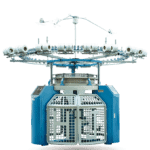
 Single jersey circular knitting machine
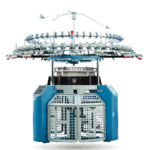 Single jersey computerized jacquard knitting machine
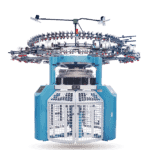 Double Jersey circular knitting machine
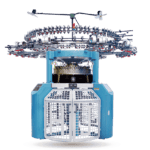 Rib tansfer electronic jacquard knitting machine
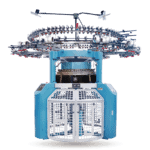 Double electronic jacquard circular knitting machine
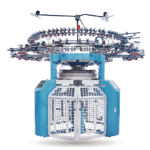 Double jersey computerized acquard circular knitting machine
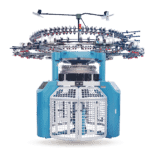 Double jersey mini jarquard knitting machine
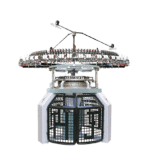 Reverse or face side terryknitting machine
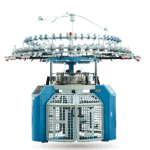 Terry electronic jacquard knitting machine(2/3ways)
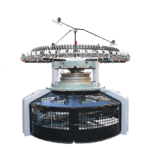 High speed open width double jersey knitting machine

 Automatic Linking intelligent socks knitting machine
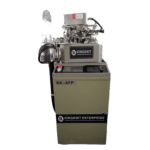 computerized plain socks knitting machine
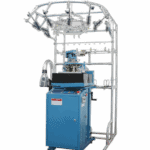 Double cylinder sock knitting machine


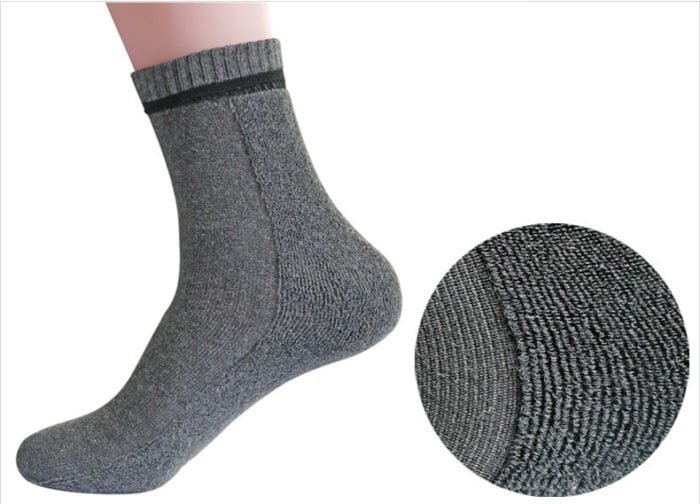
 Single jaquard scarf&hat knitting machine



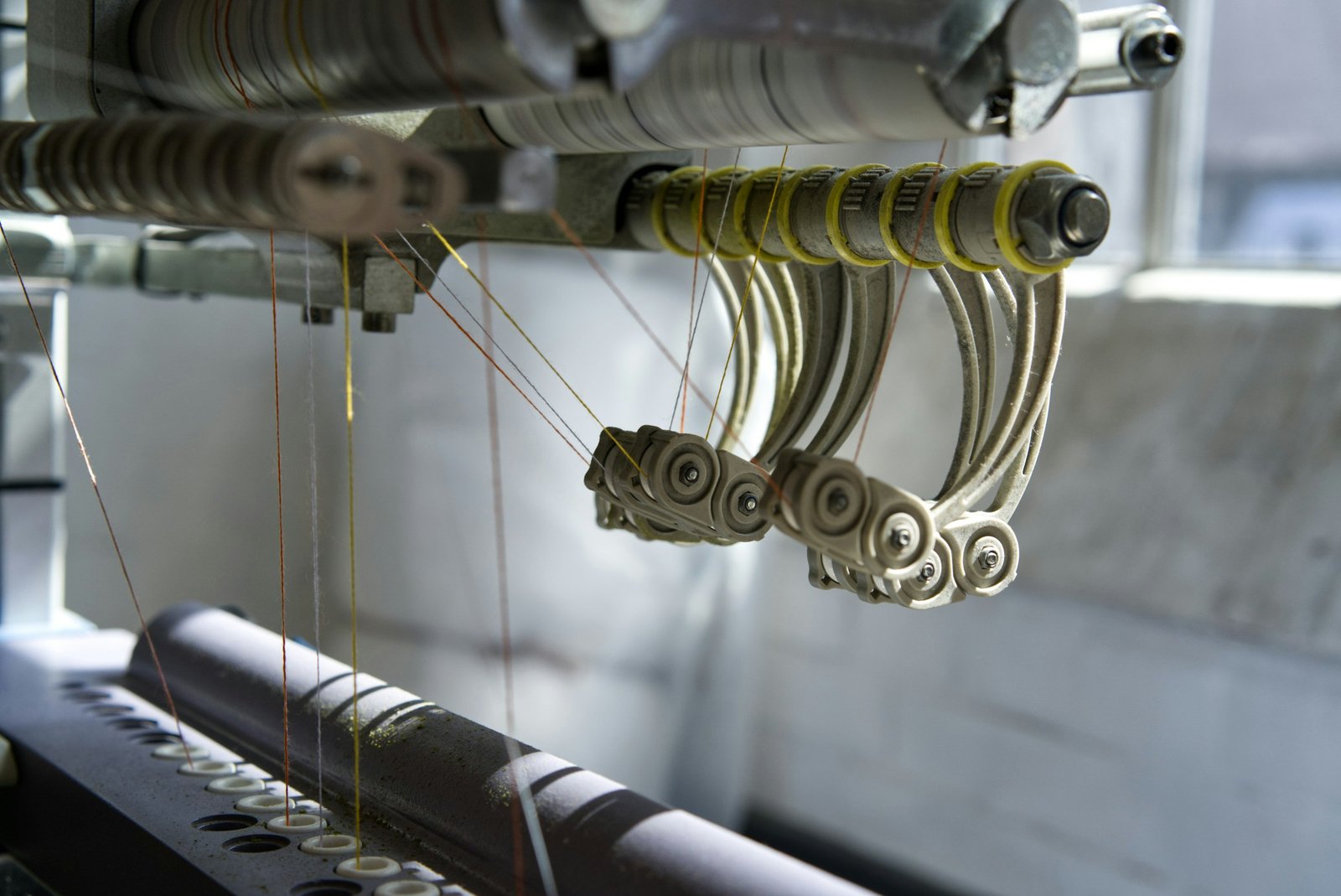
Every sock manufacturer knows that downtime is expensive. Even a small issue with your knitting machine can slow production or affect fabric quality. With the right maintenance habits, you can keep your sock knitting machine running smoothly for years — saving time, money, and frustration.
At KingKnit, we’ve seen how proper care makes a huge difference in performance. Here are some tried-and-true tips from our technicians and partner factories around the world.
1. Keep It Clean — Every Shift Counts
Lint, dust, and oil residue are the main enemies of precision knitting. Make cleaning part of your daily routine.
Use a soft brush or compressed air to remove debris from the needle bed, sinker plate, yarn carrier, and cylinder area. Avoid using water or strong solvents, as they can corrode the metal parts.
Tip: after every production run, give your machine a quick 10-minute cleaning. It’s a small habit that prevents big mechanical issues later.
2. Lubricate Wisely
Lubrication keeps the machine moving smoothly, but too much oil can attract lint and block sensors.
Use high-quality, lightweight knitting machine oil, and apply it sparingly to key parts like the cylinder, cams, and needle tracks. If oil becomes dark or sticky, it’s time for a deeper cleaning or oil change.
Remember — clean before you oil. Oiling over dirt just traps it deeper inside.
3. Check Needles and Sinkers Regularly
Your machine’s needles and sinkers do most of the heavy lifting. Even a slightly bent or dull needle can cause dropped stitches, uneven patterns, or yarn breakage.
Inspect them weekly and replace damaged parts immediately. Always keep a spare set of needles and sinkers on hand — it’s one of the simplest ways to avoid unexpected stops.
4. Don’t Forget the Yarn Path and Sensors
Modern automatic sock knitting machines rely on sensors and yarn tension systems. If they’re dusty or misaligned, you’ll get false alarms or production errors.
Wipe sensors gently and check yarn tension arms for smooth movement. Regular calibration keeps your automatic settings accurate and reliable.
5. Set a Maintenance Calendar
Preventive maintenance is cheaper than repair.
We recommend this simple routine used by many KingKnit clients:
- Daily: clean and inspect visible parts.
- Weekly: check oiling points, needles, and yarn tension.
- Monthly: inspect belts, gears, and control system connections.
- Quarterly: perform a full deep-clean and technical inspection.
You can even log each task in a simple notebook or Excel sheet — a clear record helps operators stay accountable.

6. Use Genuine Parts and Professional Support
Using non-standard or low-quality parts may seem cheaper, but it often leads to faster wear and system instability. Always use components compatible with your model.
KingKnit offers original spare parts and technical support to help factories keep production stable and efficient.
Final Thought
A well-maintained sock knitting machine doesn’t just run better — it produces better socks.
Whether you’re running a small workshop or a large-scale facility, consistent care keeps your equipment performing like new, every day.
Small steps in maintenance today prevent big problems tomorrow.