 Single jersey circular knitting machine
 Single jersey computerized jacquard knitting machine
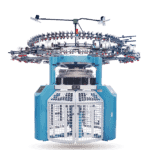 Double Jersey circular knitting machine
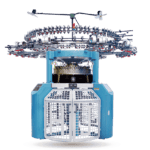 Rib tansfer electronic jacquard knitting machine
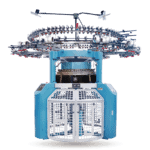 Double electronic jacquard circular knitting machine
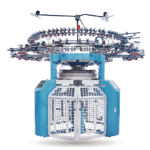 Double jersey computerized acquard circular knitting machine
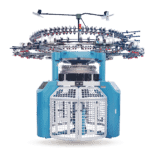 Double jersey mini jarquard knitting machine
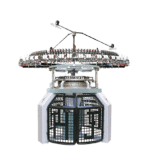 Reverse or face side terryknitting machine
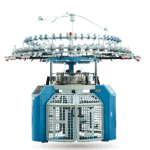 Terry electronic jacquard knitting machine(2/3ways)
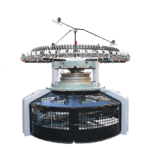 High speed open width double jersey knitting machine

 Automatic Linking intelligent socks knitting machine
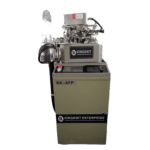 computerized plain socks knitting machine
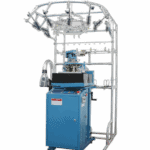 Double cylinder sock knitting machine



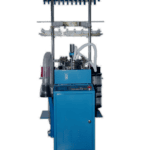 Single jaquard scarf&hat knitting machine
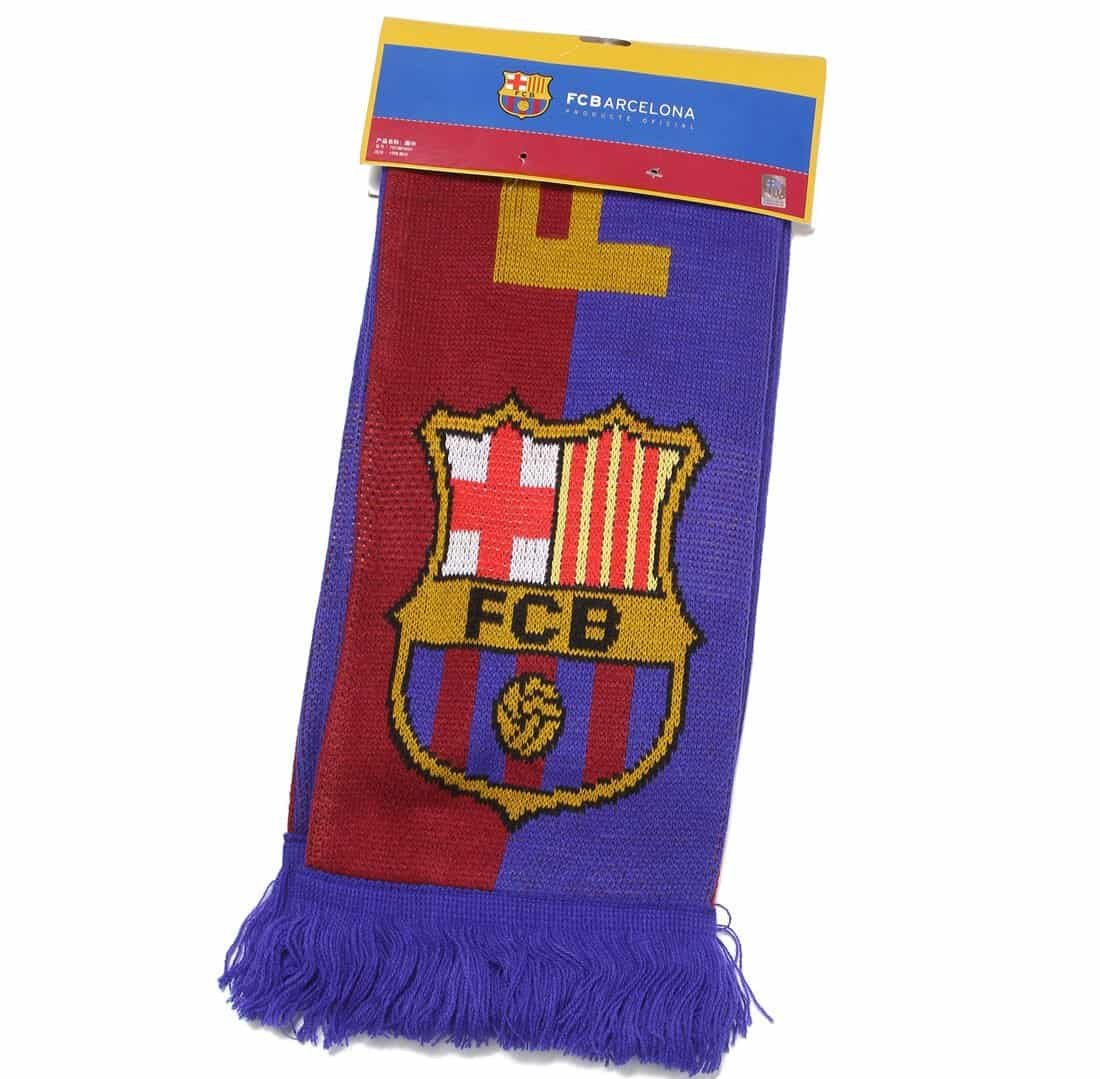


When manufacturers decide to expand production, the first thought is often simple:
“How many new machines should we buy?”
After working in the textile machinery industry for many years, I believe the better starting point is a different question:
“What production line do we actually need?”
Buying more machines does not automatically mean producing more. Without proper planning, factories can end up with unused capacity, inefficient workflows, insufficient space, or bottlenecks in other parts of production.
That is why production line planning should come before the machinery purchase.
Start With the Product
The production line should always begin with the products the factory wants to manufacture.
A factory producing basic socks may have different equipment requirements from one producing complex patterns, sports socks, medical products, scarves, hats, or other knitted products.
Before selecting a sock knitting machine, scarf knitting machine, hat knitting machine, or circular knitting machine, manufacturers should clearly define:
- Product types
- Product specifications
- Target production volume
- Required quality level
- Expected future product development
The equipment should follow the production requirements—not the other way around.
Capacity Planning Is More Than Counting Machines
Suppose a factory needs to increase its output. Adding more knitting machines may appear to be the easiest solution.
But actual production capacity also depends on operators, raw materials, electricity, maintenance, inspection, finishing, storage, and other supporting processes.
If one part of the production system cannot handle the output from the machines, it can become a bottleneck.
For example, increasing the number of machines without increasing inspection or finishing capacity may simply move the production problem to another stage.
Real capacity should therefore be planned across the entire production system.
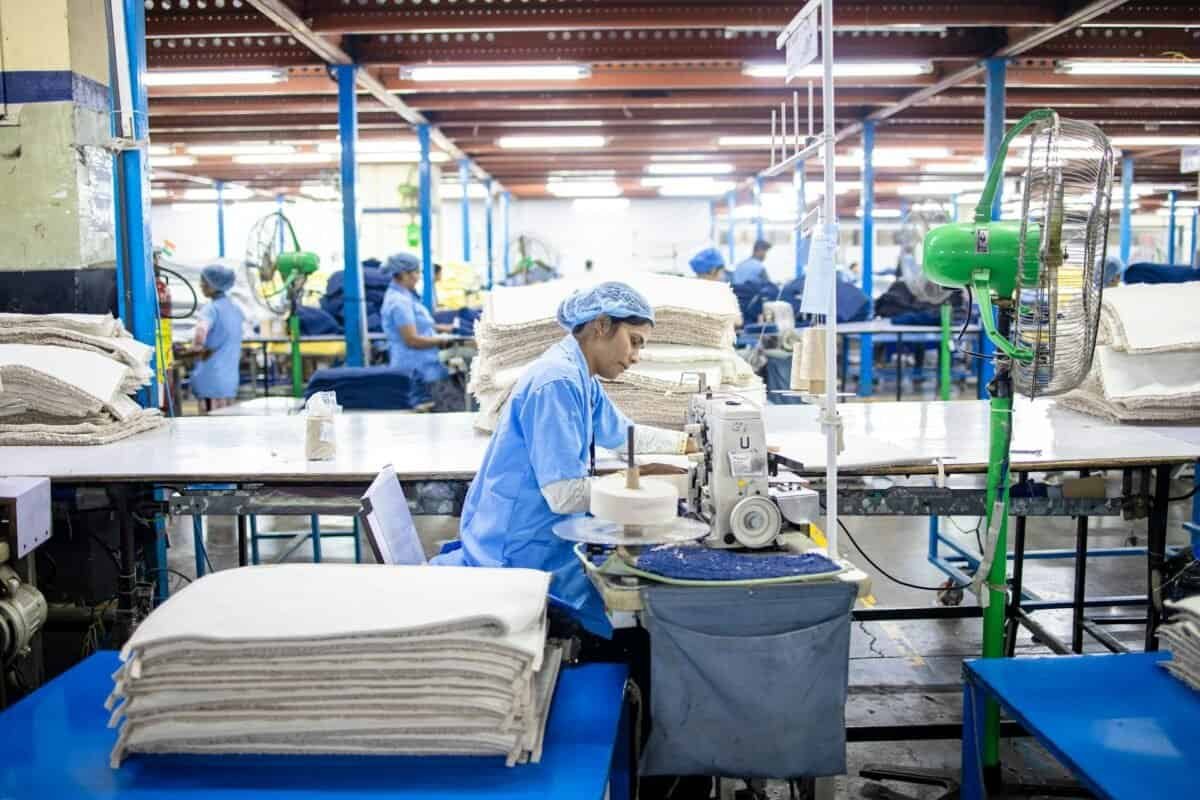
Factory Space Matters
Machine selection also needs to consider the physical layout of the factory.
Manufacturers need sufficient space for:
- Machine installation
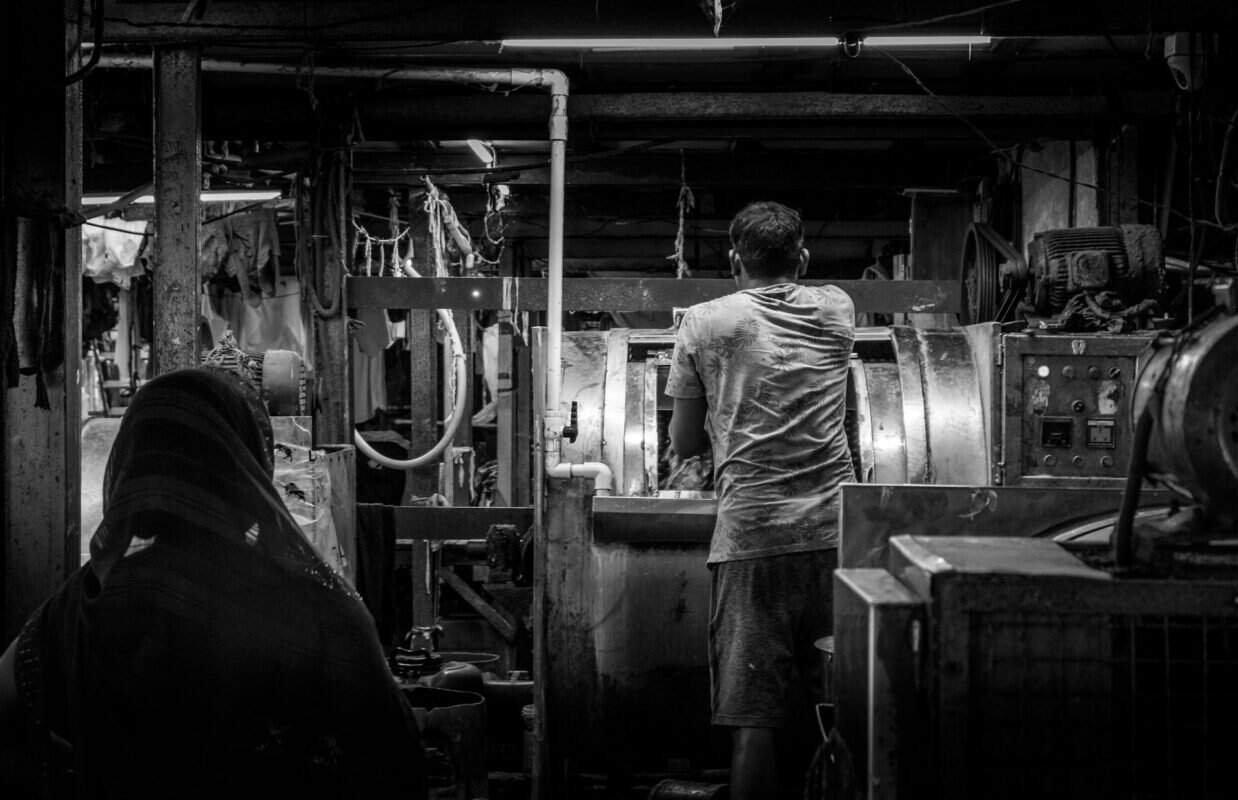
- Operator movement
- Material storage
- Product transportation
- Maintenance access
- Safety and ventilation
An efficient layout can reduce unnecessary movement and make daily production easier to manage.
This becomes increasingly important when factories install multiple textile machines in the same production area.
Energy and Supporting Infrastructure
Modern textile machinery also requires supporting infrastructure.
Before expanding a production line, factories should consider electrical capacity, ventilation, lighting, compressed air requirements where applicable, and other site conditions.
A new machine may perform well technically, but if the factory’s infrastructure cannot support the additional equipment, the expected production benefits may not be achieved.
Planning for Future Growth
A production line should not only solve today’s problems.
Manufacturers also need to think about where the business may be in three or five years.
Will production volume increase?
Will the product range expand?
Will the factory need more automated equipment?
Will additional machines fit into the existing facility?
Planning for future expansion can help manufacturers avoid expensive redesigns or inefficient equipment purchases later.
More Machines Are Not Always the Answer
I’ve seen factories focus heavily on increasing machine quantity when the real problem was production planning.
Sometimes the better solution is to improve machine utilization, rearrange the factory layout, optimize workflows, or eliminate bottlenecks before adding more equipment.
A well-planned production line can often achieve more with the same number of machines.
Building the Production Line Around the Business
For me, selecting textile machinery is not simply a matter of choosing individual machines from a catalog.
The machine, product, factory layout, operators, materials, and production targets all need to work together.
That is the difference between buying equipment and building a production system.
Conclusion
Before investing in a sock knitting machine, scarf knitting machine, hat knitting machine, circular knitting machine, or other textile machinery, manufacturers should first understand the complete production requirements.
A good production line starts with the product, then moves to capacity, equipment, factory layout, infrastructure, and future growth.
At KingKnit Machine, we provide sock knitting machines, glove knitting machines, scarf knitting machines, hat knitting machines, circular knitting machines, and complete textile machinery solutions to help manufacturers plan and build efficient production systems.
The goal should not simply be to put more machines on the factory floor.
The goal is to build a production line that works.