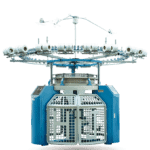
 Single jersey circular knitting machine
 Single jersey computerized jacquard knitting machine
 Double Jersey circular knitting machine
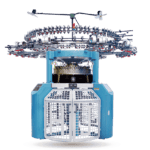 Rib tansfer electronic jacquard knitting machine
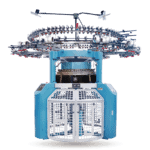 Double electronic jacquard circular knitting machine
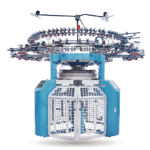 Double jersey computerized acquard circular knitting machine
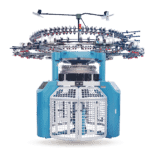 Double jersey mini jarquard knitting machine
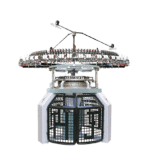 Reverse or face side terryknitting machine
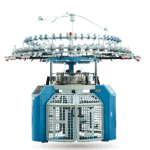 Terry electronic jacquard knitting machine(2/3ways)
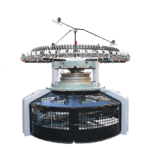 High speed open width double jersey knitting machine

 Automatic Linking intelligent socks knitting machine
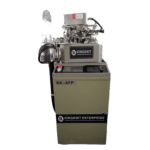 computerized plain socks knitting machine
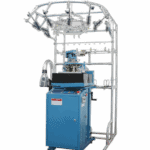 Double cylinder sock knitting machine



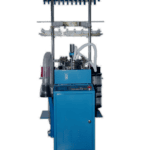 Single jaquard scarf&hat knitting machine




When manufacturers invest in new textile machinery, the first things they usually consider are machine price, production capacity, speed, and product range.
These factors are important, but there is another part of the investment that is often overlooked until installation begins:
Factory power planning.
For a production line containing multiple knitting machines, the electrical system needs to support the machines not only individually, but also as a complete operating system.
From my experience in the textile machinery industry, proper power planning should be considered before the machines arrive—not after installation.
Machine Investment Starts With the Factory Environment
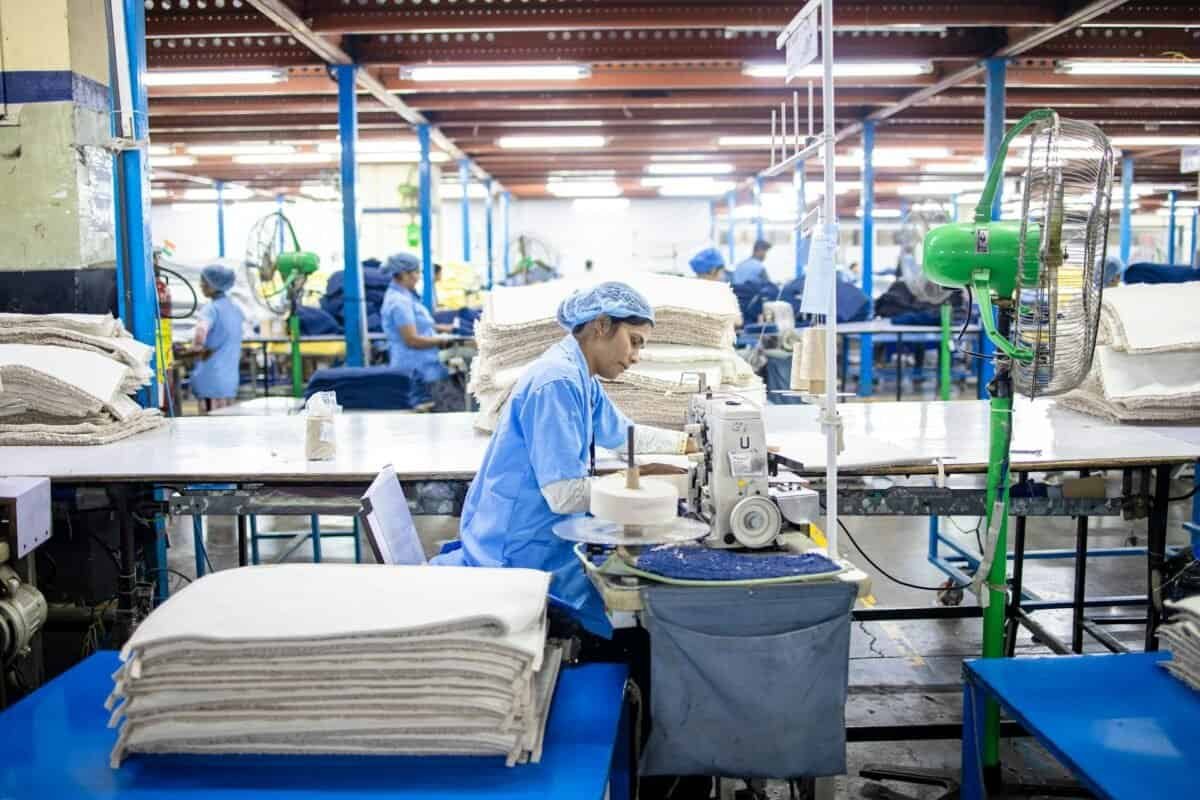
A sock knitting machine, scarf knitting machine, hat knitting machine, or circular knitting machine cannot operate independently from the factory environment.
The final production performance depends on the complete setup, including:
- Power supply
- Workshop layout
- Machine positioning
- Ventilation
- Lighting
- Raw material storage
- Operator working areas
- Maintenance access
When these factors are considered together, installation and production can be much smoother.
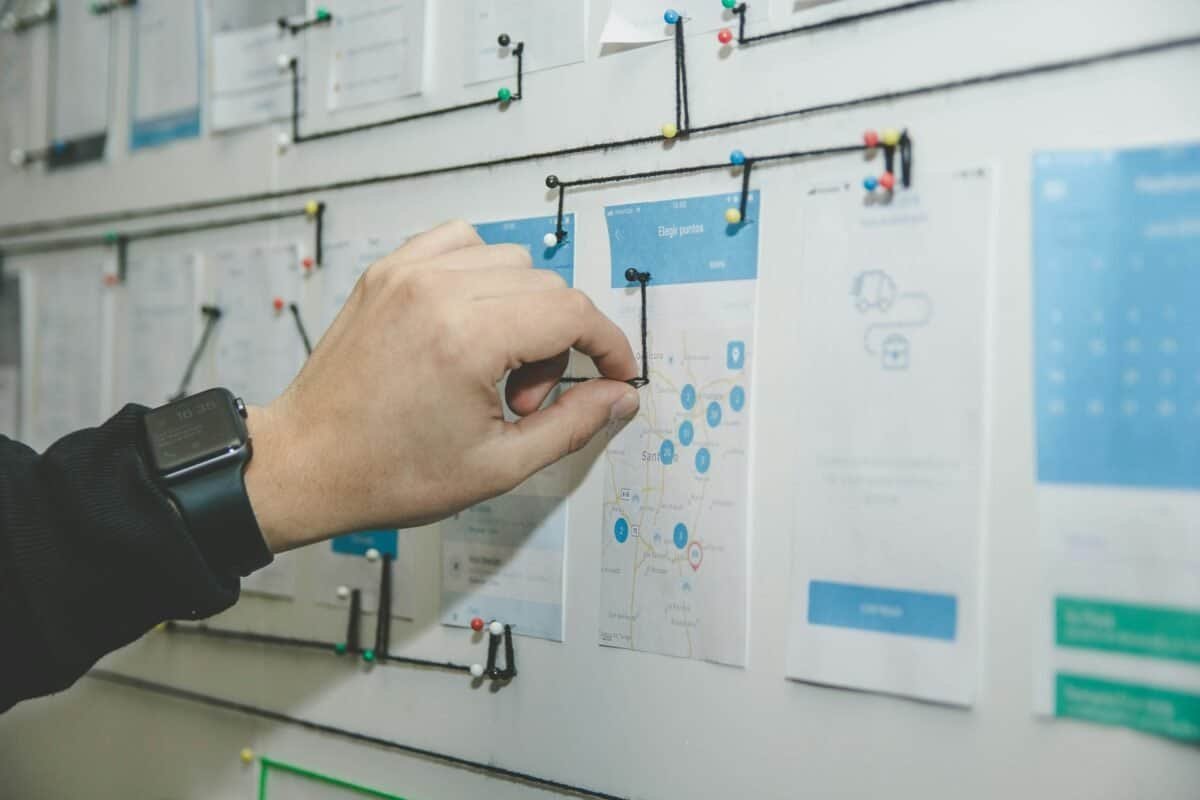
Calculate the Total Power Requirement
One common mistake is calculating the electrical requirement based on only one machine.
In a real factory, multiple machines may operate at the same time.
For example, a production line with dozens of knitting machines will have a significantly different electrical demand from a workshop with only a few machines.
Factories should consider the combined requirements of:
- Knitting machines
- Compressors
- Lighting
- Ventilation or air-conditioning systems
- Auxiliary equipment
- Other workshop machinery
Planning the total load in advance helps the factory prepare the appropriate electrical infrastructure for the production line.
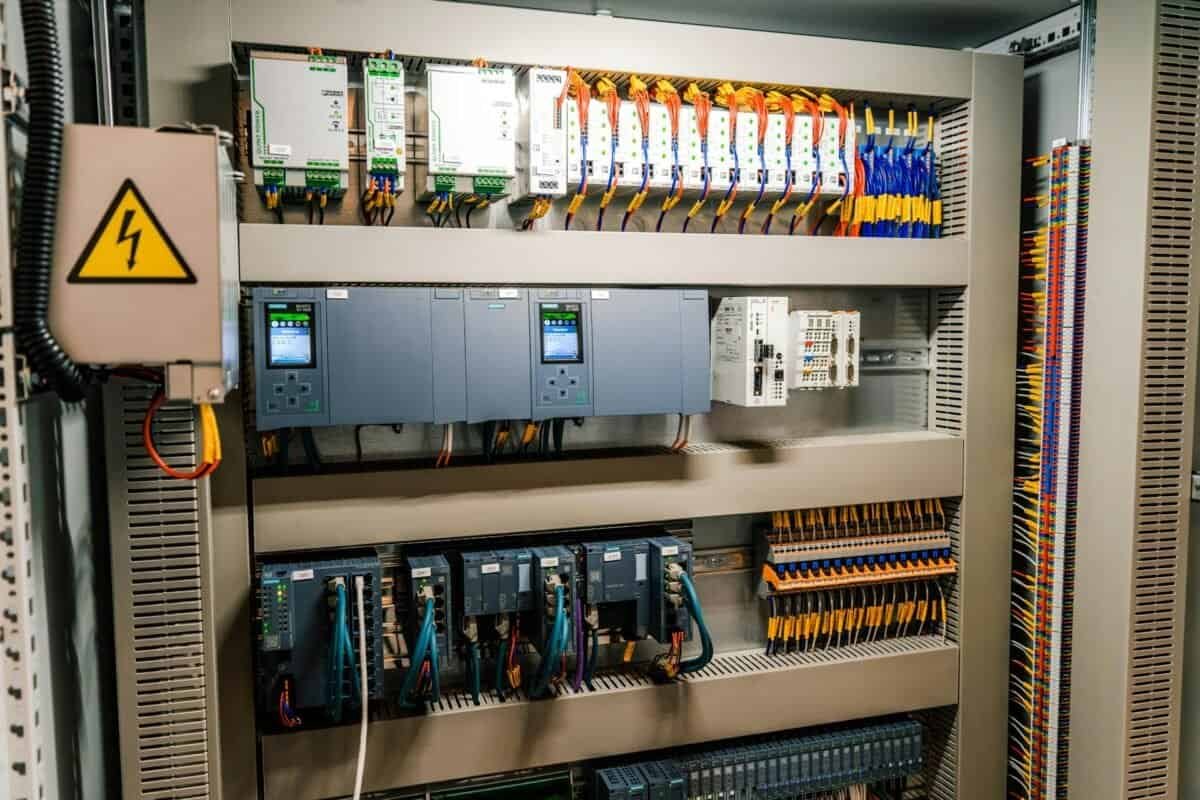
Stable Power Matters for Machine Operation
Having enough electrical capacity is important, but power stability is equally important.
Modern computerized knitting machines rely on electronic control systems and precision components. Unstable power conditions can interfere with normal operation and may lead to interruptions, control-system issues, or unexpected downtime.
For manufacturers, stable power is therefore part of production stability.
This is especially important when operating several machines continuously for long production periods.
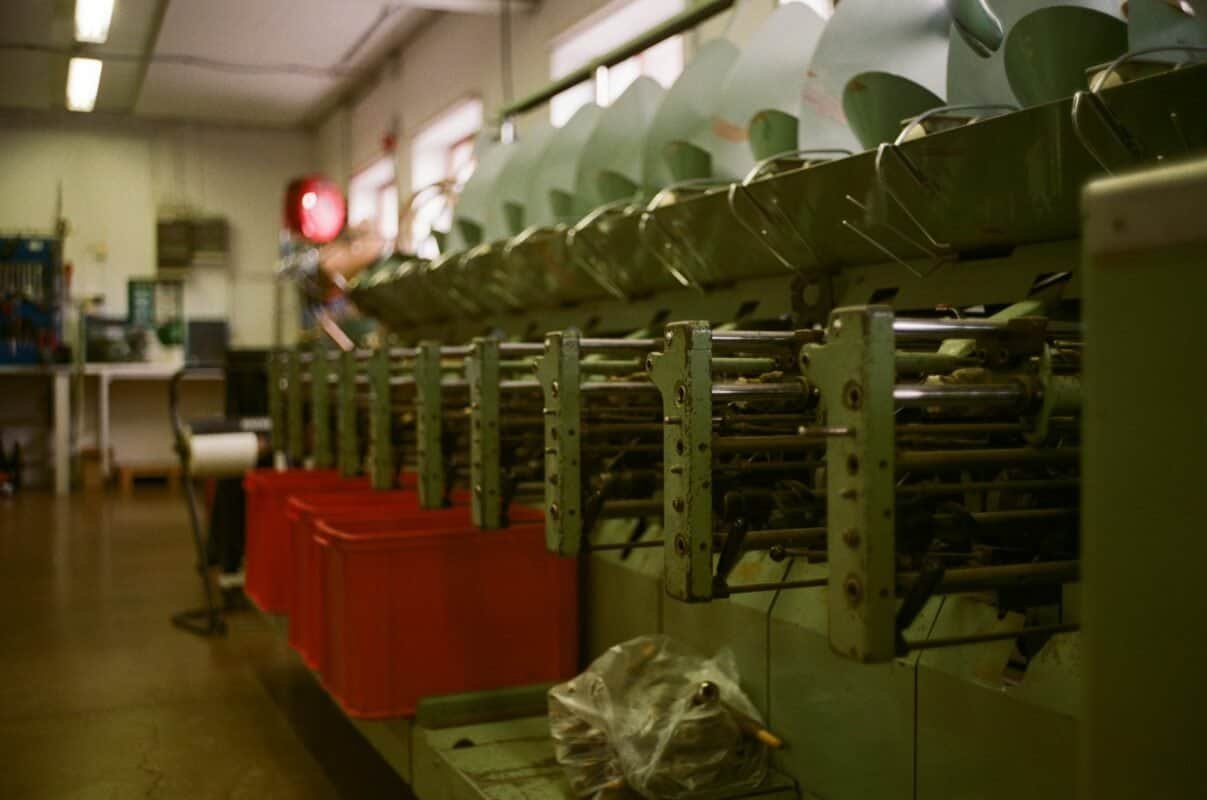
Expansion Should Be Considered From the Beginning
Many textile factories start with a small number of machines and gradually expand.
For example, a factory may begin with several sock knitting machines and later add more equipment, or eventually introduce scarf knitting machines, hat knitting machines, or circular knitting machines.
If the original electrical system was designed only for the first stage, expansion may require significant additional work.
Planning some future capacity from the beginning can make later expansion easier and reduce unnecessary infrastructure changes.
Machine Layout and Power Planning Should Work Together
Electrical planning should not be separated from workshop layout.
The position of the machines affects cable routes, maintenance access, operator movement, and future expansion.
A well-planned production area should provide enough space for:
- Machine installation
- Operator access
- Maintenance work
- Material movement
- Electrical connections
- Future equipment
For a large textile manufacturing project, these details can have a direct effect on production efficiency.
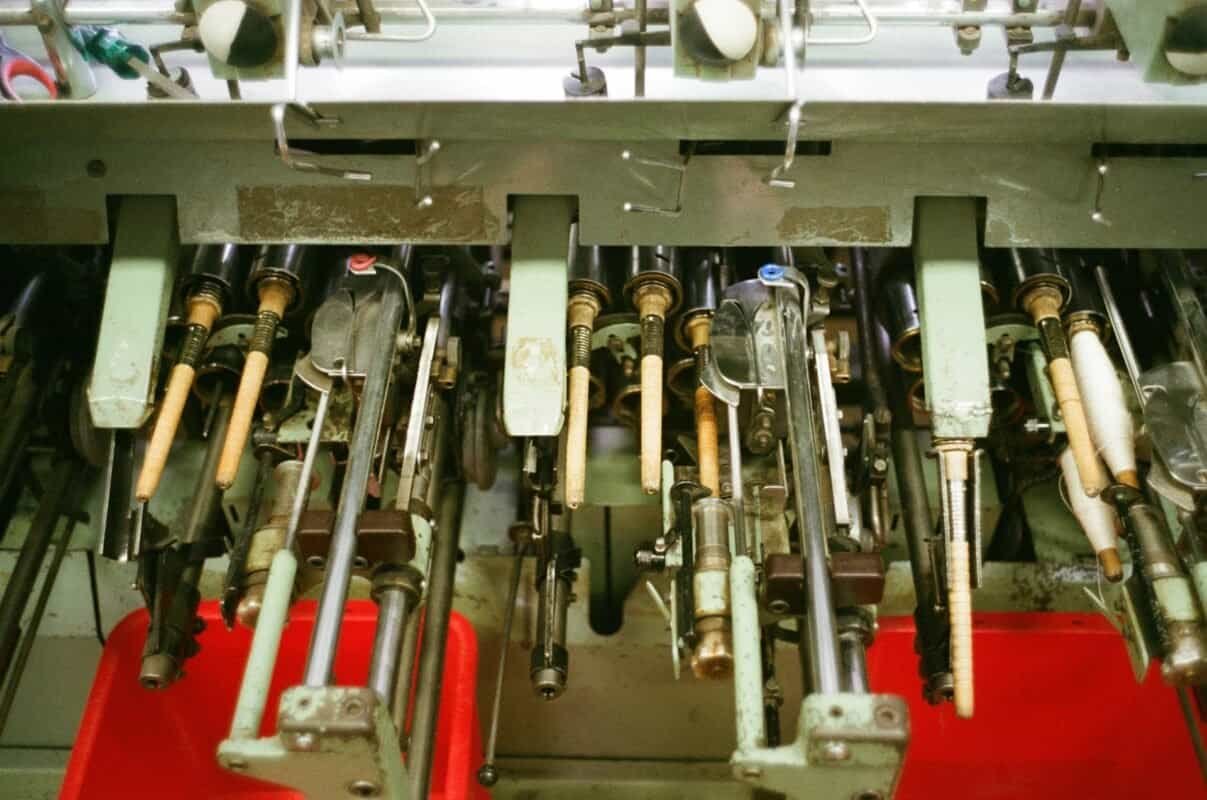
Good Machinery Planning Goes Beyond the Machine
A new machine is only one part of a production investment.
The factory also needs to prepare the infrastructure required to operate the machine effectively.
That includes power, space, material handling, operators, maintenance procedures, and production planning.
This is why I believe machinery selection and factory planning should be considered together.
A machine may have excellent technical specifications, but the factory still needs the right environment to achieve its full production potential.
Planning Today Makes Production Easier Tomorrow
When manufacturers plan their electrical infrastructure before purchasing equipment, they can make better decisions about machine quantity, workshop layout, and future production expansion.
For factories investing in textile machinery, this can help reduce installation problems, improve production organization, and create a more efficient working environment.
The goal is not simply to install more machines.
The goal is to build a production system in which the machines can operate reliably and efficiently.
Conclusion
Factory power planning is an important part of textile machinery investment.
When purchasing sock knitting machines, scarf knitting machines, hat knitting machines, circular knitting machines, or other textile machinery, manufacturers should consider the complete factory environment rather than looking only at machine specifications.
Power capacity, power stability, workshop layout, and future expansion all contribute to the real performance of a production line.
At KingKnit Machine, we provide sock knitting machines, glove knitting machines, scarf knitting machines, hat knitting machines, circular knitting machines, and complete textile machinery solutions for manufacturers around the world.
We believe successful machinery investment starts before the machine arrives.
It starts with understanding the production environment in which the machine will work.