 Single jersey circular knitting machine
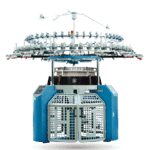 Single jersey computerized jacquard knitting machine
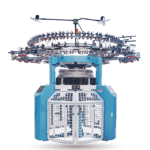 Double Jersey circular knitting machine
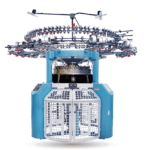 Rib tansfer electronic jacquard knitting machine
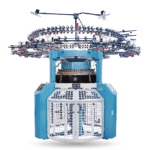 Double electronic jacquard circular knitting machine
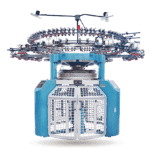 Double jersey computerized acquard circular knitting machine
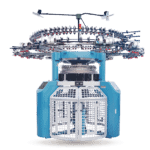 Double jersey mini jarquard knitting machine
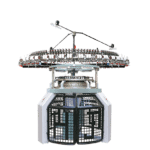 Reverse or face side terryknitting machine
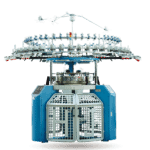 Terry electronic jacquard knitting machine(2/3ways)
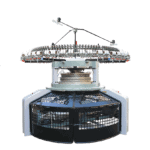 High speed open width double jersey knitting machine

 Automatic Linking intelligent socks knitting machine
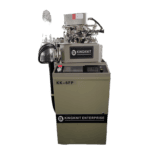 computerized plain socks knitting machine
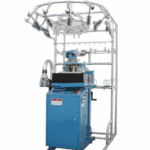 Double cylinder sock knitting machine



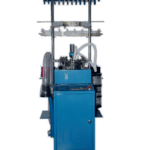 Single jaquard scarf&hat knitting machine



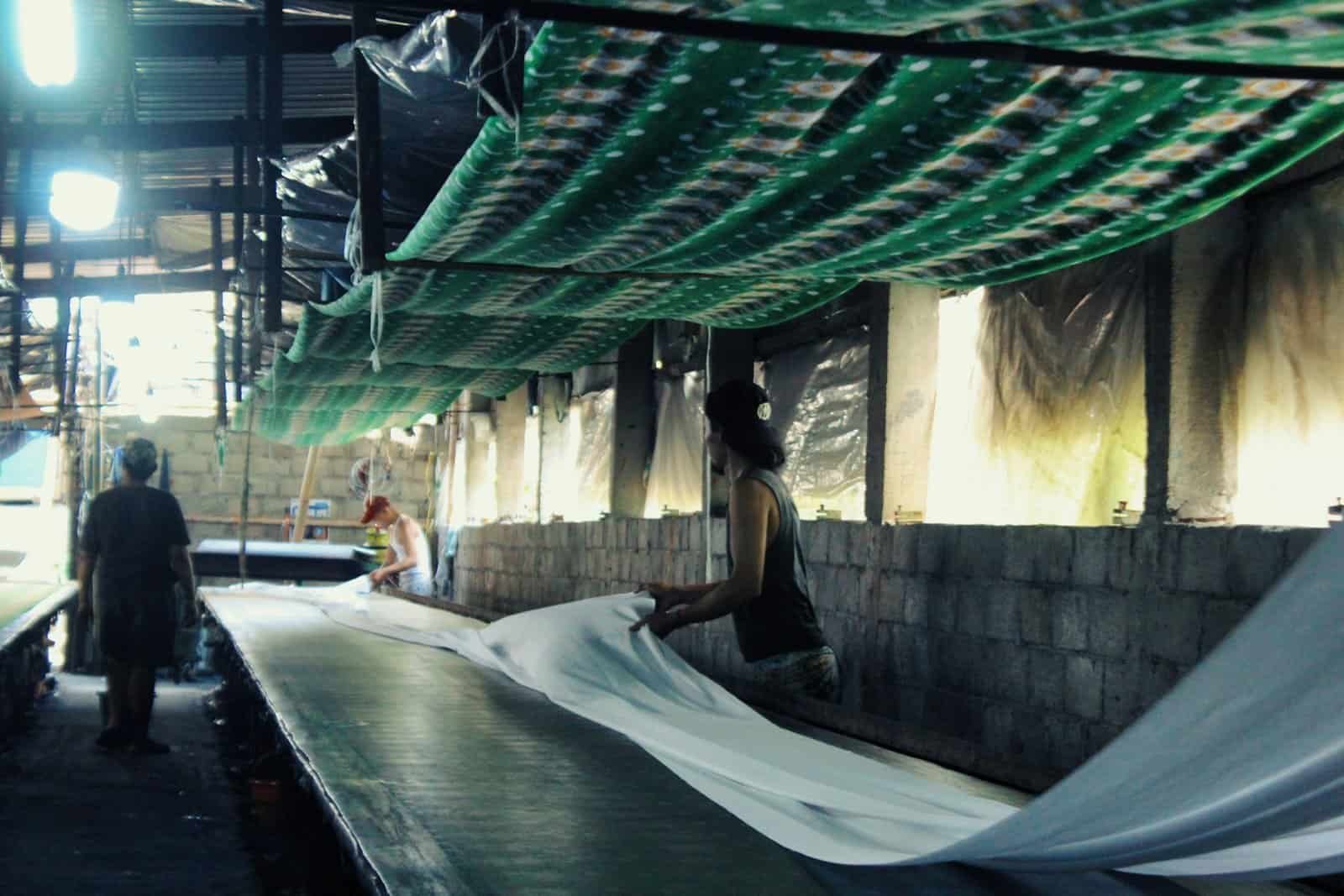
When a customer orders a new knitting machine, most of the attention is usually focused on the equipment itself: its specifications, production capacity, configuration, and delivery schedule.
But from my experience in the textile machinery industry, I know that successful machine installation starts long before the equipment arrives at the factory.
I always consider the installation environment an important part of the machinery project. A machine may be manufactured according to its specifications, but the factory still needs to provide suitable conditions for installation and operation.
This is particularly important when customers are preparing a new production line or adding multiple machines to an existing workshop.
Before the Machine Arrives, I Want to Understand the Factory
When discussing an installation project with a customer, I don’t think it is enough to know how many machines they have ordered. I also need to understand where those machines will be installed and how the workshop is organized.
For example, a customer planning to install several sock knitting machines needs to consider more than the available floor space. We also need to think about machine positioning, operator access, material movement, electrical connections, and the space required for maintenance.
The same applies to factories installing scarf knitting machines, hat knitting machines, glove knitting machines, or circular knitting machines. Different equipment has different dimensions, structures, and operating requirements.
Before installation, I prefer to understand the workshop layout as clearly as possible. Floor plans, installation drawings, photographs, and measurements can all help us identify potential problems in advance.
It is much easier to adjust a workshop layout before the machines arrive than to discover that the planned installation position is unsuitable after transportation has been completed.
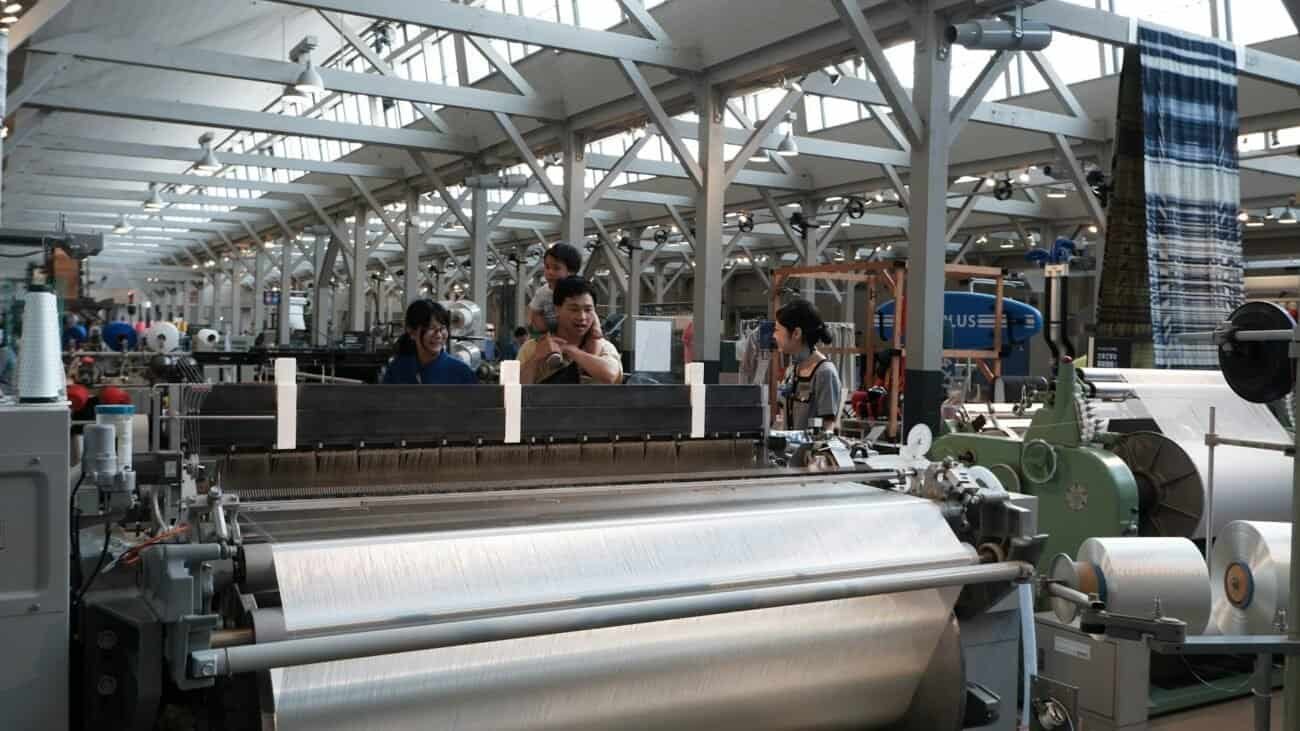
The Factory Floor Is More Important Than It Looks
One detail I pay attention to during installation planning is the factory floor.
Customers sometimes focus on whether there is enough space for the machines, but the condition and load-bearing capacity of the floor also need to be considered.
Industrial knitting machines require an appropriate installation surface. Depending on the machine structure, weight, and operating characteristics, the floor must be capable of supporting the equipment under the intended working conditions.
For a factory installing multiple machines, the total equipment load should also be considered. This is especially important when converting an existing building into a textile production workshop.
I would not recommend making assumptions based only on the appearance of the floor. Its construction and load-bearing capacity should be confirmed with the relevant building professionals when necessary.
Floor conditions can also influence the installation process. An uneven surface may make it difficult to position and level equipment correctly. Taking care of these conditions before installation can save considerable adjustment work later.
Machine Positioning Should Consider Daily Production
Once the installation area has been confirmed, the next task is deciding where each machine should go.
This is something I believe should be planned from the perspective of people who will actually work in the factory.
Imagine a workshop with twenty sock knitting machines. If we only consider how many machines can fit into the available area, we may end up with a layout that looks efficient on paper but is inconvenient during daily production.
Operators need enough room to access the machines, check their operating conditions, and carry out routine adjustments. Maintenance technicians also need sufficient space to reach relevant components without unnecessary obstacles.
Material movement matters too. Yarn needs to reach the machines, finished products need to be collected, and workers should be able to move between production areas without disrupting other activities.
When I look at a machine layout, I don’t just ask whether the machines can fit. I also consider whether operators can work comfortably and whether technicians can maintain the equipment efficiently.
A good layout should support the entire production process, not simply maximize the number of machines inside the workshop.
Leveling and Positioning Require Careful Attention
After the machines arrive and are moved into their designated positions, the installation work becomes more detailed.
Before starting the equipment, the machine needs to be positioned and adjusted according to its design and installation requirements.
Machine leveling is an important part of this process. The installation surface and the machine’s structural requirements need to be considered together, and the appropriate leveling procedure should follow the manufacturer’s instructions.
I pay particular attention to this stage because installation adjustments should not be treated as something that can be done casually.
The machine’s position, supporting points, and relevant mechanical components all need to be checked before proceeding.
Different knitting machines may have different installation procedures, so it is important not to apply exactly the same method to every model.
For a sock knitting machine, scarf knitting machine, or circular knitting machine, the actual installation requirements should always be based on the specific machine configuration and technical documentation.
Taking the time to complete these adjustments properly provides a better foundation for the next stage.
Electrical and Environmental Preparation Must Not Be Left Until the End
Another issue I want customers to consider before installation is the workshop’s electrical infrastructure.
The factory should confirm that its power supply matches the requirements of the ordered machinery. When several machines are installed together, the total electrical load and the capacity of the distribution system need to be evaluated rather than looking at each machine separately.
Power supply conditions, grounding arrangements, electrical protection, and connection points should all be prepared according to the equipment specifications and applicable electrical standards.
The workshop environment is another consideration. Textile production can involve yarn fibers, dust, humidity, and temperature variations. These conditions may influence certain machine components, electrical systems, and production materials.
I always recommend that customers review the environmental requirements of their specific machines and prepare the workshop accordingly.
These details might seem secondary when compared with machine specifications, but they are part of making sure the equipment has a suitable environment for operation.
Installation Is Not Complete Until We Check the Machine in Operation
Once positioning, relevant connections, and installation adjustments have been completed, I don’t consider the project finished simply because the machine is physically in place.
The next stage is checking the equipment according to its commissioning procedure.
Depending on the machine model, this can involve verifying electrical and control functions, checking relevant mechanical movements, confirming safety arrangements, and carrying out appropriate test operation.
For example, before putting a computerized sock knitting machine into regular production, the relevant control functions and machine operations need to be checked. The actual production test should also consider the customer’s intended product and suitable yarn specifications.
This stage provides an opportunity to identify issues that may not have been visible during transportation or initial assembly.
It is also a good time for operators to become familiar with the machine. Understanding basic operation, routine inspection, and maintenance procedures helps the factory prepare for regular production.
For me, installation should connect three stages: preparing the factory, installing the equipment, and verifying that the machine is ready for its intended application.
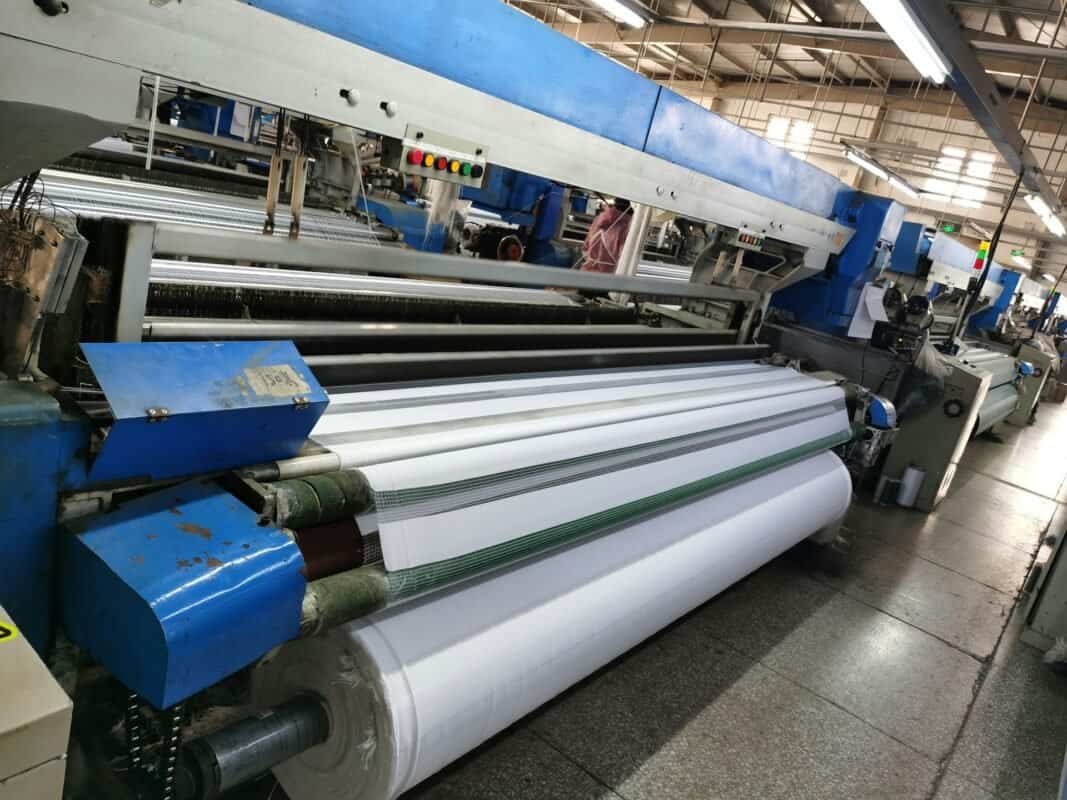
Every Factory Has Different Installation Requirements
One thing I have learned from working with different types of textile machinery is that there is no single installation plan suitable for every factory.
A workshop installing sock knitting machines may have different space and material-handling requirements from one producing scarves or hats. A factory with an existing production line may also face different challenges from a customer building a completely new facility.
This is why I prefer to understand the customer’s actual situation before discussing installation arrangements.
Sometimes the main concern is limited workshop space. In other cases, electrical preparation or the existing production layout needs more attention.
The important thing is to identify these conditions early and make the necessary arrangements before the equipment arrives.
Good installation planning is not about making the process more complicated. It is about reducing avoidable problems and helping the customer move into production with greater confidence.
Conclusion
A successful knitting machine installation does not begin when the equipment is unloaded from the truck. It begins with understanding the factory, checking the installation environment, planning machine positions, and preparing the necessary infrastructure.
From my perspective, machine quality and installation conditions should always be considered together. Even good equipment needs an appropriate working environment to perform as intended.
At KingKnit Machine, we provide sock knitting machines, glove knitting machines, scarf knitting machines, hat knitting machines, circular knitting machines, and complete textile machinery solutions for manufacturers around the world.
We understand that every machinery project involves more than supplying equipment. Understanding the customer’s workshop, production requirements, and installation conditions is also an important part of helping them establish a practical production system.
A good machine deserves a well-prepared factory. And good production starts before the first machine is switched on.