 Single jersey circular knitting machine
 Single jersey computerized jacquard knitting machine
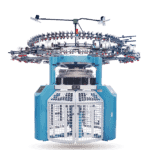 Double Jersey circular knitting machine
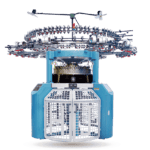 Rib tansfer electronic jacquard knitting machine
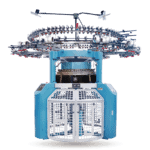 Double electronic jacquard circular knitting machine
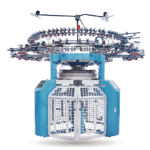 Double jersey computerized acquard circular knitting machine
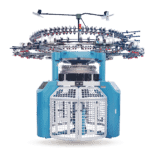 Double jersey mini jarquard knitting machine
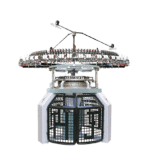 Reverse or face side terryknitting machine
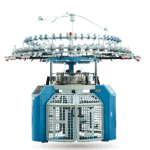 Terry electronic jacquard knitting machine(2/3ways)
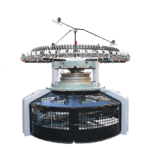 High speed open width double jersey knitting machine

 Automatic Linking intelligent socks knitting machine
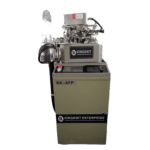 computerized plain socks knitting machine
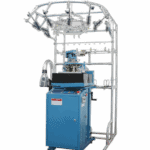 Double cylinder sock knitting machine



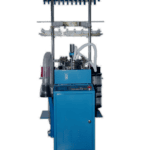 Single jaquard scarf&hat knitting machine



When evaluating textile machinery, production capacity is often one of the first figures manufacturers consider. Machine specifications typically highlight maximum output, giving buyers a clear benchmark for comparing different models.
At first glance, the logic seems simple: a machine with higher capacity should produce more products and generate greater efficiency.
However, real production environments rarely operate under ideal conditions.
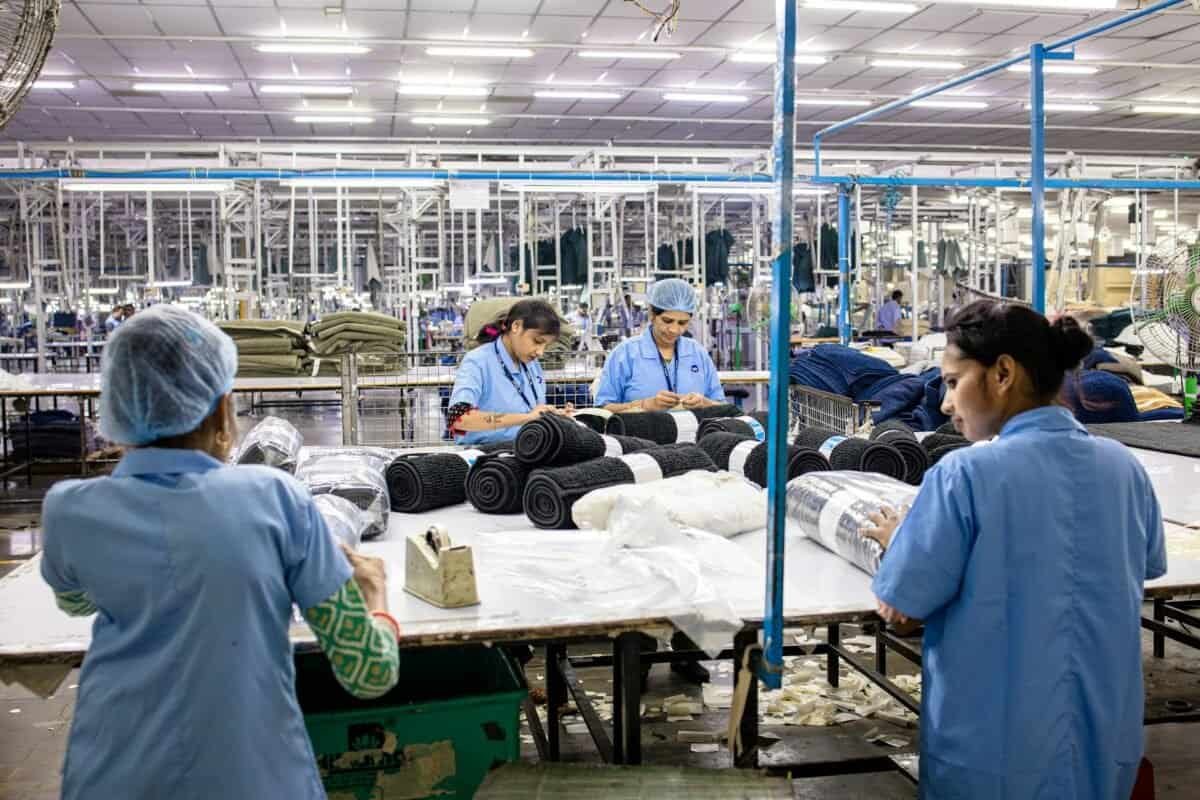
In practice, there is often a significant difference between a machine’s theoretical production capacity and its actual daily output. Understanding this gap is essential for manufacturers seeking to improve productivity, plan investments, and achieve realistic production goals.
Understanding Production Capacity
Production capacity refers to the maximum amount a machine can produce under specific conditions.
These figures are usually calculated based on:
- Ideal machine settings
- Stable material quality
- Continuous operation
- Minimal downtime
- Standardized production requirements
Capacity ratings are useful because they provide a common performance reference. They help manufacturers understand the potential of a machine and compare equipment options.
However, capacity figures represent what is possible under controlled conditions—not necessarily what will happen in everyday production.
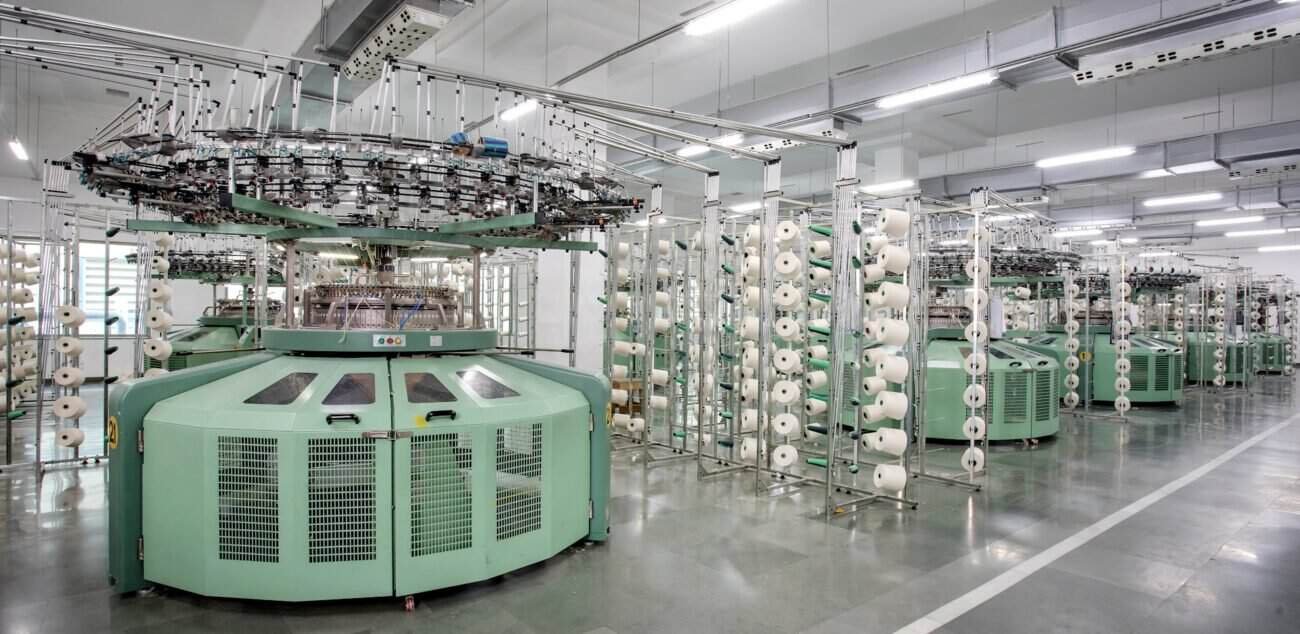
Why Actual Output Is Different
Actual output reflects real-world manufacturing conditions.
Unlike laboratory tests or specification sheets, production floors are dynamic environments where multiple factors influence performance every day.
Even when using the same machine model, different factories can achieve very different output levels.
This is because production is affected by variables such as:
- Yarn quality and consistency
- Machine setup and adjustment time
- Operator experience
- Production scheduling
- Style changes and product complexity
- Maintenance requirements
- Unexpected interruptions
Each factor may seem small individually, but together they can significantly influence overall production results.
The Hidden Impact of Downtime
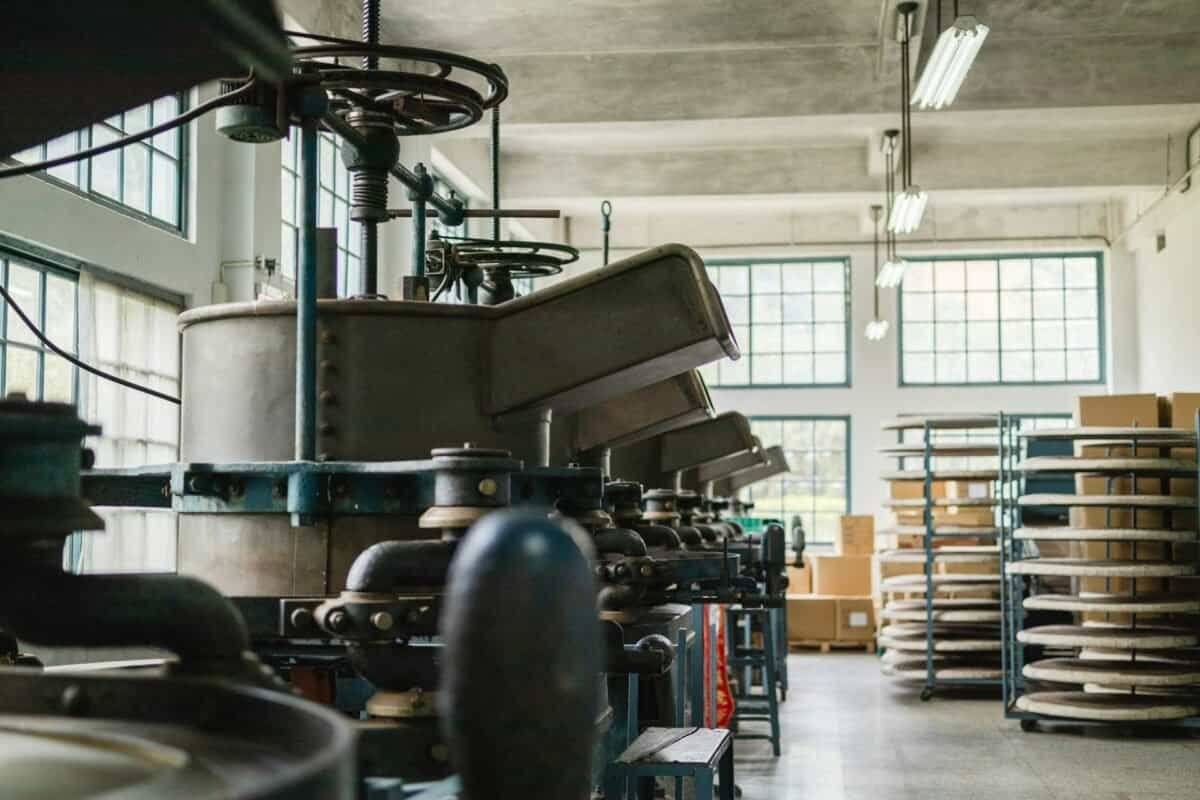
One of the biggest reasons actual output falls below theoretical capacity is downtime.
A machine may be capable of running at high speed, but production stops whenever adjustments, maintenance, yarn replacement, or troubleshooting are required.
Even short interruptions can accumulate over the course of a shift.
For example, a machine that operates at maximum efficiency for most of the day may still lose substantial output due to multiple small stops that are often overlooked in capacity calculations.
This is why operational stability often contributes more to production performance than peak machine speed alone.
Product Complexity Matters
Not all products are equally demanding.
A machine producing a simple sock design may achieve very different output levels compared to the same machine producing a complex pattern with multiple colors, specialized structures, or additional production requirements.
Theoretical capacity often assumes standardized production conditions. Real customer orders rarely follow those assumptions.
As product complexity increases, machine adjustments, monitoring requirements, and production variability typically increase as well.
The Human Factor
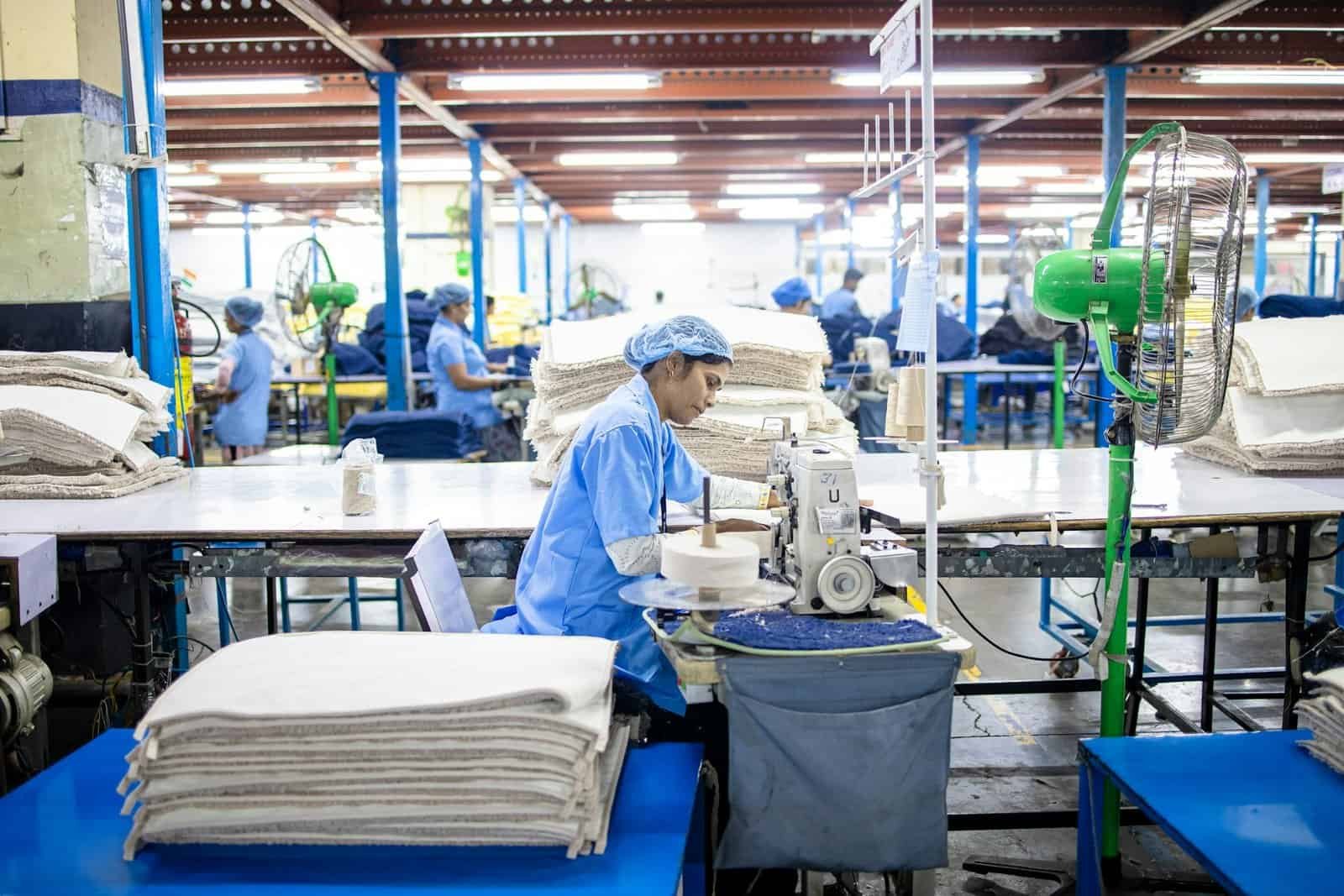
Modern textile machinery continues to become more automated, but people remain an important part of production performance.
Experienced operators often identify issues before they become major problems. They understand machine behavior, recognize material variations, and make adjustments that help maintain efficient operation.
Two factories using identical equipment may achieve different output simply because of differences in operational experience and production management.
This highlights an important reality: productivity is not determined by machinery alone.
Capacity Represents Potential; Output Represents Performance
One useful way to think about the difference is this:
Production capacity shows what a machine can do.
Actual output shows how effectively a factory uses that capability.
Capacity is important because it defines potential. But output reflects the combined performance of machines, materials, operators, processes, and production planning.
Manufacturers who focus only on capacity figures may overlook the factors that have the greatest impact on day-to-day production results.
Looking Beyond the Numbers
When selecting textile machinery, it is tempting to compare specifications and focus on the highest output numbers available.
However, long-term success often depends on questions such as:
- How stable is the machine during continuous production?
- How quickly can adjustments be made?
- How well does it handle different yarn types?
- How much downtime is typically required?
- How easy is it to maintain consistent quality?
These factors may not appear prominently in capacity ratings, but they often determine real production performance.

Conclusion
Production capacity and actual output are related, but they are not the same.
Capacity represents a machine’s theoretical potential under ideal conditions. Actual output reflects what happens in real manufacturing environments where materials, operators, maintenance requirements, and production demands constantly interact.
For textile manufacturers, understanding this distinction leads to better equipment decisions and more realistic production expectations.
In the end, the most valuable machine is not necessarily the one with the highest capacity rating—it is the one that can consistently deliver reliable output day after day.
About King Knit
At King Knit, we design textile machinery with a focus on real-world production performance. Beyond technical specifications, we understand that long-term productivity depends on machine reliability, operational stability, and the ability to maintain consistent output across different production conditions.
Learn more:
🌐 https://kingknitfactory.com
📩 client@kingknit.com