 Single jersey circular knitting machine
 Single jersey computerized jacquard knitting machine
 Double Jersey circular knitting machine
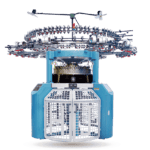 Rib tansfer electronic jacquard knitting machine
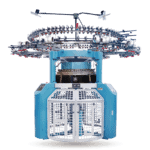 Double electronic jacquard circular knitting machine
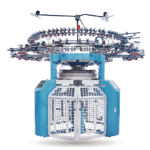 Double jersey computerized acquard circular knitting machine
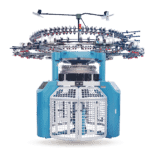 Double jersey mini jarquard knitting machine
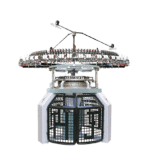 Reverse or face side terryknitting machine
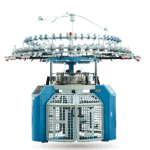 Terry electronic jacquard knitting machine(2/3ways)
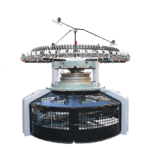 High speed open width double jersey knitting machine

 Automatic Linking intelligent socks knitting machine
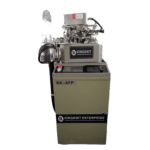 computerized plain socks knitting machine
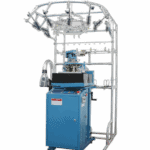 Double cylinder sock knitting machine


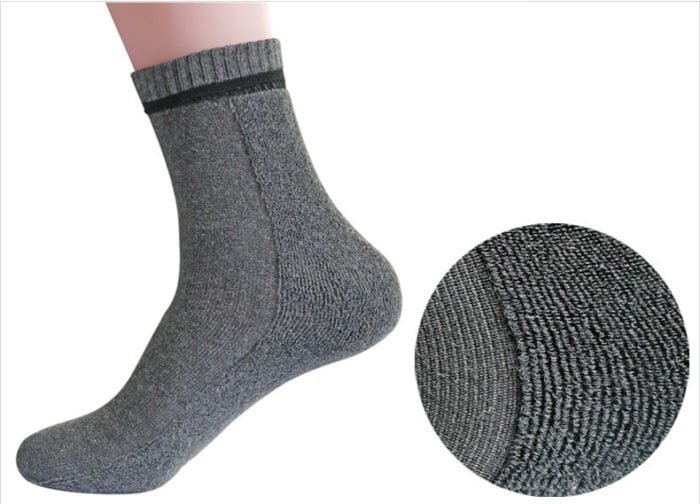
 Single jaquard scarf&hat knitting machine



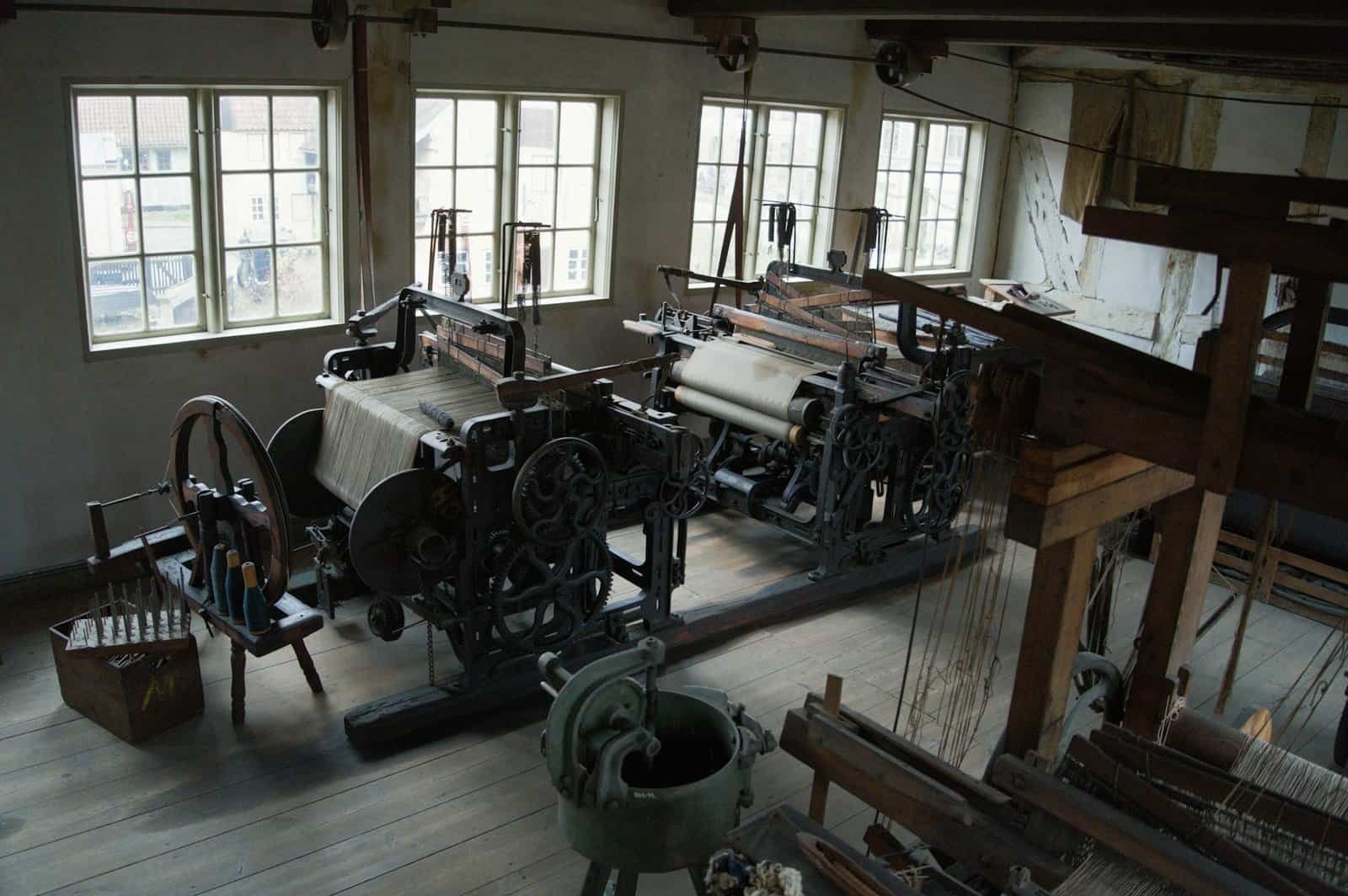
Over the past decade, the textile manufacturing industry has experienced significant transformation. Rising labor costs, changing consumer demands, advances in automation, and increasing pressure for sustainable production have all influenced how textile machinery is designed, operated, and evaluated.
Ten years ago, productivity was often the primary measure of a machine’s value. Today, manufacturers are looking beyond speed. Reliability, flexibility, digital connectivity, energy efficiency, and long-term operating costs have become equally important factors in purchasing and operating textile machinery.
The evolution of textile machinery reflects a broader shift in manufacturing priorities—from producing more to producing smarter.
From Higher Speed to Higher Efficiency
In the past, machine performance was largely measured by maximum production capacity.
Manufacturers focused on increasing speed to improve output and reduce production costs. While speed remains important, experience has shown that maximum capacity alone does not guarantee better manufacturing performance.
Modern textile factories now recognize that stable production often delivers greater long-term value than occasional peak performance.
Machines that minimize downtime, maintain consistent product quality, and operate reliably over extended production cycles contribute more to overall productivity than machines that simply achieve higher theoretical output.
As a result, equipment manufacturers have shifted their focus from increasing speed alone to improving operational efficiency as a whole.
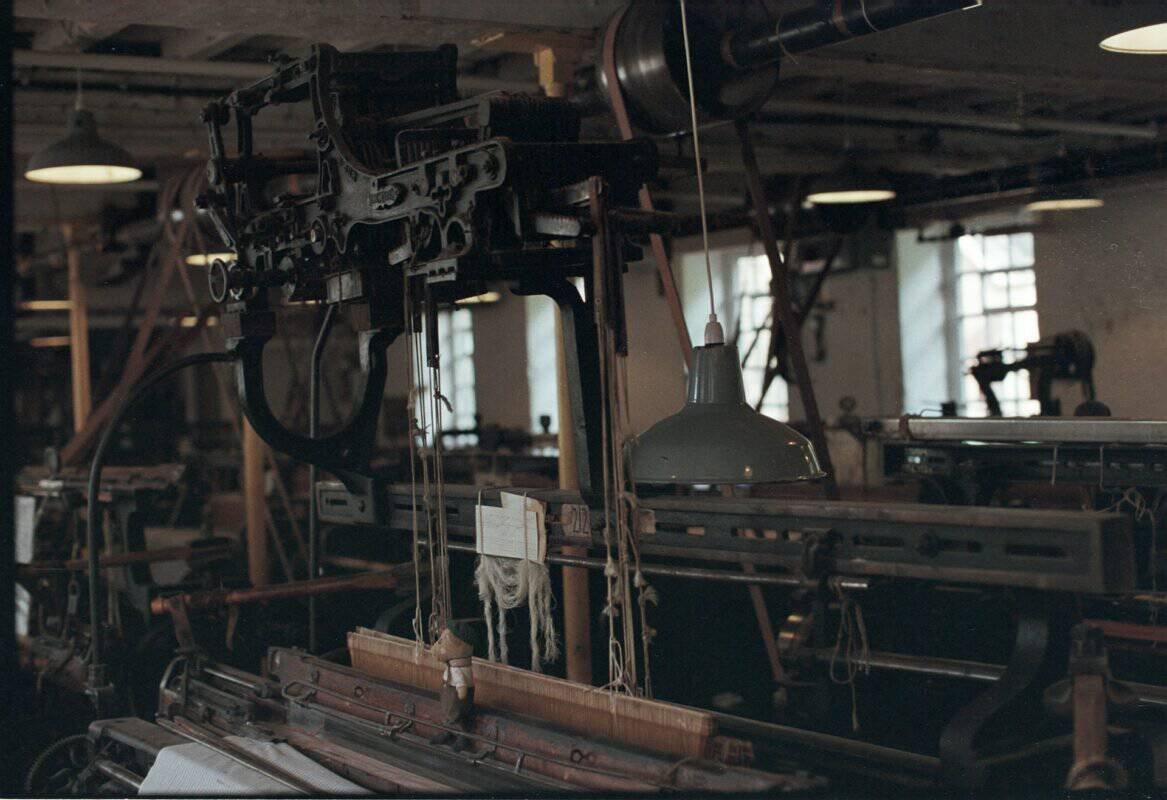
Automation Has Become More Practical
Automation has become one of the most visible developments in textile machinery.
Many functions that previously required continuous manual adjustment can now be managed through intelligent control systems. Machine setup has become more user-friendly, production monitoring is more accessible, and repetitive operational tasks have been reduced.
However, automation is no longer viewed as a goal by itself.
Today’s manufacturers expect automation to solve practical production challenges, including reducing operator workload, improving consistency, shortening setup times, and increasing production reliability.
Successful automation is measured by the value it creates, not simply by the number of automated functions.
Digital Technologies Are Changing Factory Operations
Another major development over the past decade is the integration of digital technologies into textile manufacturing.
Modern textile machinery is increasingly capable of collecting operational data related to production performance, machine status, maintenance schedules, and efficiency indicators.
This information helps factory managers monitor operations more effectively and identify production trends before they develop into larger problems.
Rather than relying solely on manual observation, manufacturers can now make decisions based on real production data, improving both operational control and long-term planning.
As Industry 4.0 continues to develop, machine connectivity is expected to become an even more important part of textile manufacturing.
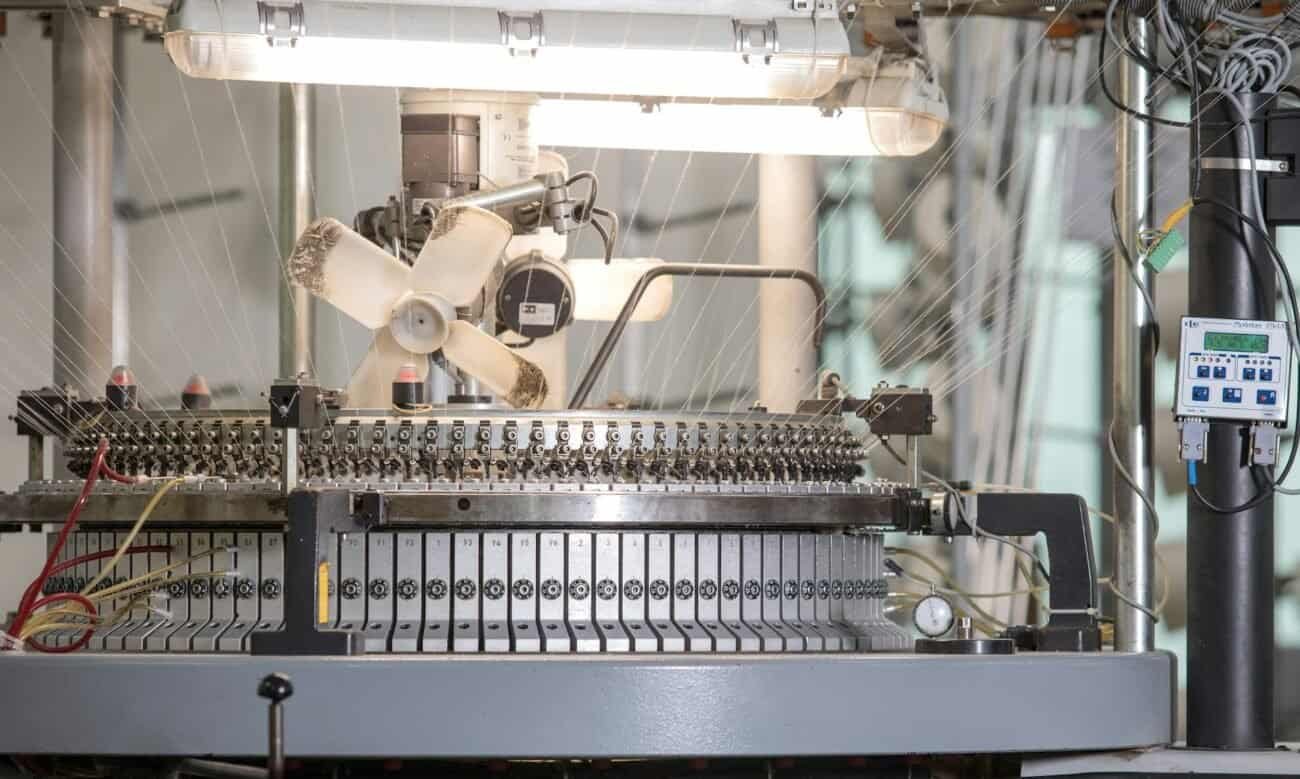
Sustainability Is Becoming a Competitive Advantage
Sustainability has also become a key consideration in machinery development.
Manufacturers are paying greater attention to:
- Energy efficiency
- Material utilization
- Reduced waste
- Longer machine lifespan
- Lower maintenance requirements
These improvements are not only beneficial for environmental goals but also help reduce operating costs and improve overall production efficiency.
As global markets continue placing greater emphasis on sustainable manufacturing, machinery capable of supporting these objectives will become increasingly valuable.
Customer Expectations Have Changed
The relationship between machinery suppliers and manufacturers has evolved considerably.
In the past, purchasing decisions often focused primarily on equipment specifications and price.
Today, buyers expect much more.
They look for suppliers that provide:
- Technical consultation
- Operator training
- Spare parts availability
- Responsive after-sales service
- Software and system updates
- Long-term technical support
Textile machinery is no longer viewed simply as a piece of equipment—it is considered a long-term investment that requires ongoing partnership.
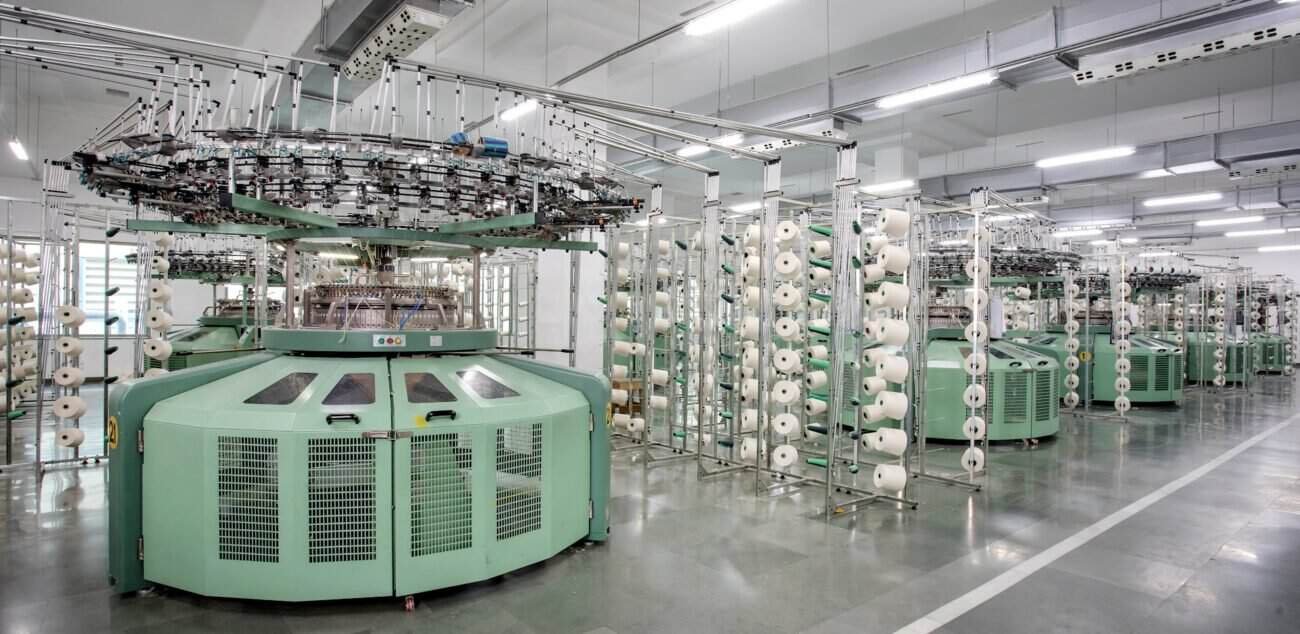
The Future of Textile Machinery
The next decade will likely bring even greater integration of intelligent technologies into textile manufacturing.
Artificial intelligence, predictive maintenance, remote diagnostics, and machine connectivity are expected to become increasingly common across modern production facilities.
At the same time, one principle is unlikely to change.
Regardless of how advanced technology becomes, successful textile machinery must continue solving practical manufacturing challenges. Reliability, ease of maintenance, production flexibility, and consistent performance will remain fundamental requirements.
Technology should enhance production—not complicate it.
How King Knit Continues to Evolve
At King Knit, we have witnessed firsthand how the textile machinery industry has transformed over the past decade. These changes continue to shape how we design, improve, and support our knitting machines.
Our approach is not simply to add new features because technology is advancing. Instead, we focus on developing machinery that addresses real production needs—combining reliable mechanical engineering with practical innovations that improve efficiency, simplify operation, and support long-term factory performance.
As the industry moves toward smarter and more connected manufacturing, King Knit remains committed to helping textile manufacturers adapt with solutions that are both technologically advanced and operationally practical.
Learn more: