 Single jersey circular knitting machine
 Single jersey computerized jacquard knitting machine
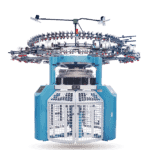 Double Jersey circular knitting machine
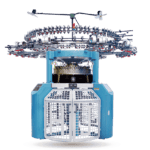 Rib tansfer electronic jacquard knitting machine
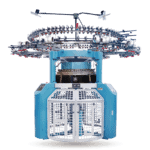 Double electronic jacquard circular knitting machine
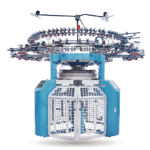 Double jersey computerized acquard circular knitting machine
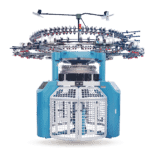 Double jersey mini jarquard knitting machine
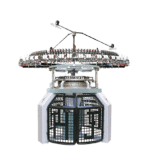 Reverse or face side terryknitting machine
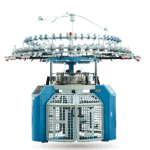 Terry electronic jacquard knitting machine(2/3ways)
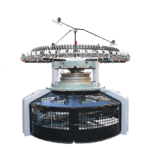 High speed open width double jersey knitting machine

 Automatic Linking intelligent socks knitting machine
 computerized plain socks knitting machine
 Double cylinder sock knitting machine
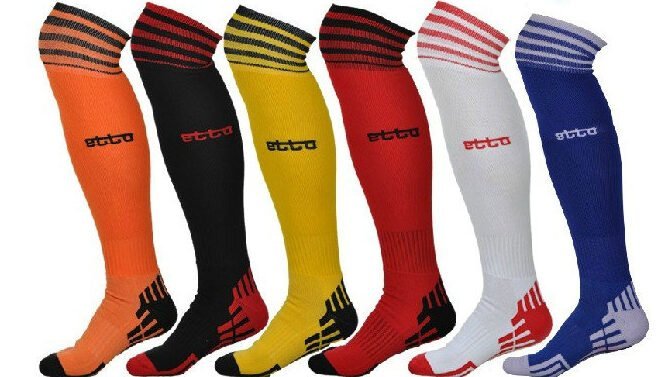

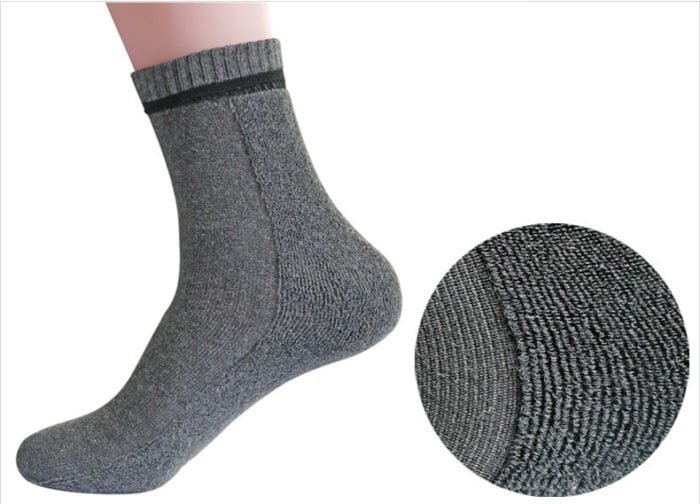
 Single jaquard scarf&hat knitting machine



In today’s competitive textile industry, efficiency is no longer measured only by how fast a machine runs. It’s also about how quickly a factory can switch from one product to another without sacrificing quality.
For manufacturers producing multiple sock styles, colors, or sizes, changeover time can have a significant impact on productivity and profitability. Every minute spent adjusting machines, replacing yarns, or testing new settings is time that isn’t producing sellable products.
Reducing changeover time has become an important strategy for improving overall factory performance.
What Is Changeover Time?
Changeover time refers to the period required to prepare a sock knitting machine for a new production run. This may include changing yarn colors, replacing needles, loading a new program, adjusting machine settings, and performing quality checks before production begins.
While each individual adjustment may seem small, frequent changeovers can add up to many hours of lost production each week.
Why Changeover Time Matters
Long changeovers don’t just reduce production capacity. They also increase labor costs, delay deliveries, and create additional material waste during machine setup.
Factories that can complete changeovers efficiently are often able to:
- Produce more orders with the same equipment
- Respond faster to customer requests
- Reduce production costs
- Improve machine utilization
- Increase overall profitability
As buyers continue to request customized products and smaller order quantities, fast changeovers are becoming a competitive advantage.
How to Reduce Changeover Time
Standardize Operating Procedures
Clear operating procedures help technicians perform machine adjustments consistently and efficiently. Standardized workflows reduce unnecessary steps and minimize human error.

Use Computerized Knitting Machines
Modern computerized sock knitting machines allow operators to store production programs and switch between different designs much faster than traditional equipment.
This reduces manual adjustments and shortens setup times.
Train Operators Regularly
Well-trained operators can identify potential issues quickly and complete machine setup more efficiently.
Regular training also helps maintain consistent product quality during production changes.
Prepare Materials Before Production
Having the correct yarns, needles, tools, and production programs ready before the previous order finishes can significantly reduce downtime between production runs.
Perform Preventive Maintenance
A properly maintained knitting machine is easier to adjust and less likely to experience unexpected issues during setup.
Routine maintenance helps ensure stable performance and shorter changeover times.
Modern Textile Machinery Makes the Difference
Today’s textile machinery is designed not only for higher production speeds but also for greater flexibility.
Advanced sock knitting machines feature intelligent control systems, faster program switching, and improved automation, allowing manufacturers to handle frequent product changes more efficiently.
As customer demands continue to evolve, reducing changeover time will become increasingly important for factories looking to improve responsiveness and remain competitive.
Conclusion
Improving production efficiency isn’t always about increasing machine speed. Sometimes the biggest gains come from reducing the time between production runs.
By optimizing workflows, investing in modern textile machinery, and improving operator training, manufacturers can reduce downtime, increase productivity, and better serve today’s fast-changing market.
At KingKnit Machine, we develop reliable sock knitting machines, glove knitting machines, and textile machinery solutions that help manufacturers improve efficiency, reduce downtime, and adapt to changing production requirements.